
Persistent Bloating in Women: Could It Be Ovarian Cancer? | Dr. Amit Mandal Kolkata
Posted on: May 15, 2026
Persistent Bloating in Women: Could It Be Ovarian Cancer? – A Doctors Perspective by Dr. Amit Mandal
Bloating is one of the most commonly ignored symptoms among women. Many patients describe it as a feeling of fullness, tightness, or swelling in the abdomen. In most cases, women assume it is related to gas, acidity, food habits, or digestive problems.
While occasional bloating is common and usually harmless, persistent bloating that continues for weeks should never be ignored. In some women, it can be an early warning sign of ovarian cancer.
One of the challenges with ovarian cancer is that the symptoms are often vague and develop slowly. Because of this, many women seek medical attention only after symptoms become more severe.
Understanding what persistent bloating really means
Occasional abdominal bloating after meals is common. However, persistent bloating is different.
It usually involves:
- Daily abdominal fullness
- Visible swelling of the abdomen
- A feeling of heaviness
- Difficulty fitting into usual clothes
- Symptoms lasting for several weeks
When these symptoms continue without improvement, proper evaluation becomes important.
Why ovarian cancer symptoms are often missed
Unlike some other cancers, ovarian cancer may not produce dramatic symptoms in the beginning. The signs are often mild and overlap with common digestive or gynecological problems.
Women frequently attribute symptoms to:
- Gas or indigestion
- Weight gain
- Hormonal changes
- Menstrual issues
- Stress-related digestive discomfort
Because of this, diagnosis is often delayed.
A clinical observation from practice
I remember a patient who complained of abdominal bloating for several months. She had taken digestive medications repeatedly, assuming the problem was gastric in nature.
When she finally came for gynecological evaluation, further tests revealed ovarian abnormalities requiring immediate attention.
This is not uncommon. Persistent symptoms that do not improve with routine treatment should always be investigated properly.
Other symptoms that may occur along with bloating
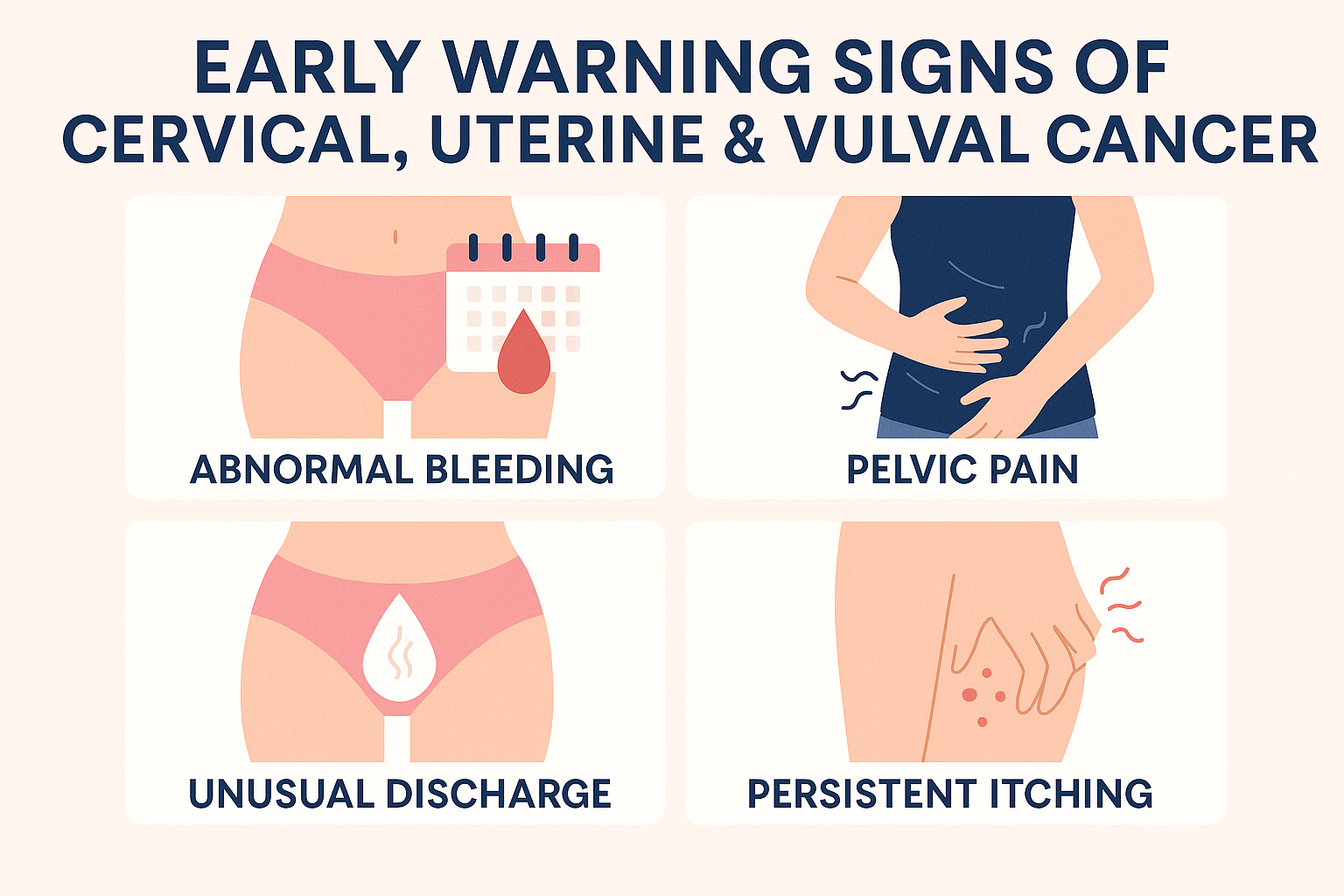
- Lower abdominal or pelvic pain
- Feeling full quickly while eating
- Loss of appetite
- Frequent urination
- Unexplained fatigue
- Irregular vaginal bleeding
If you are experiencing lower abdominal discomfort along with bloating, you may also want to read our guide on lower abdominal pain in women and when to worry.
Women experiencing abnormal bleeding should also understand the risks discussed in our article on irregular bleeding after 40 and cancer risk.
Can bloating always mean ovarian cancer?
No. Most cases of bloating are not related to cancer.
Common non-cancerous causes include:
- Digestive disorders
- Constipation
- Food intolerance
- Hormonal changes
- Ovarian cysts
However, when bloating becomes persistent and is associated with other symptoms, further evaluation is important.
Who is at higher risk?
- Women above 40
- Family history of ovarian or breast cancer
- Obesity
- Never having been pregnant
- History of hormonal imbalance
Women with these risk factors should avoid delaying medical consultation.
How doctors evaluate persistent bloating
Diagnosis involves understanding the pattern of symptoms and performing appropriate investigations.
- Detailed medical history
- Physical and pelvic examination
- Ultrasound imaging
- Blood investigations
- CT scan or MRI if required
These tests help identify whether the symptoms are digestive, hormonal, or gynecological in origin.
Why early diagnosis matters
One of the most important things I explain to patients is that early diagnosis improves treatment options and outcomes significantly.
When ovarian conditions are identified early:
- Treatment becomes more effective
- Complications can be reduced
- Recovery outcomes improve
- Long-term prognosis becomes better
Delayed diagnosis often makes management more complicated.
Persistent discharge or pelvic symptoms should also be evaluated carefully. Read more about white discharge in women and when it could be serious.
When you should not delay consultation
- Bloating lasting more than two to three weeks
- Increasing abdominal size without weight gain
- Persistent pelvic discomfort
- Associated abnormal bleeding
- Loss of appetite or rapid fullness after eating
These symptoms should not be ignored or repeatedly treated with self-medication.
Who should consider specialist consultation
If symptoms persist despite routine treatment, consultation with a specialist such as Dr. Amit Mandal can help ensure proper evaluation and timely diagnosis.
Women above 40, especially those with a family history of gynecological cancers, should be particularly careful about persistent symptoms.
A message for women in Kolkata
Many women continue to ignore symptoms because they are busy with work and family responsibilities. Unfortunately, ovarian cancer is often diagnosed late because early symptoms are subtle.
Listening to your body and seeking timely medical advice can make a major difference.
Common misconceptions about bloating
One misconception is that bloating is always digestive in origin. While digestive issues are common, gynecological conditions can also produce similar symptoms.
Another misconception is that ovarian cancer always causes severe pain early. In reality, symptoms are often vague and mild in the beginning.
Persistent symptoms should always be taken seriously.
A practical approach women should follow
- Observe how long bloating persists
- Notice associated symptoms like pain or bleeding
- Avoid repeated self-medication
- Seek medical evaluation when symptoms continue
Simple awareness can help with earlier diagnosis and better outcomes.
Final words from clinical experience
Over the years, I have seen many women ignore persistent bloating because the symptom seemed too common or minor to be serious.
At the same time, I have also seen how early consultation and timely diagnosis helped patients receive appropriate treatment before complications developed.
Persistent bloating should not create panic, but it should create awareness.
Your body often gives subtle warning signs before serious conditions progress. Paying attention to those signs is one of the most important steps toward protecting your health.
What you should do next
If you are experiencing persistent bloating or associated symptoms, do not rely only on digestive medications or assumptions.
Consult a qualified specialist, understand the cause, and take timely action.
Early evaluation provides clarity, reassurance, and better long-term health outcomes.
Recent Posts
-
 Best Uterine Cancer Treatment in Kolkata: Expert Care & Advanced Therapies
-
 Top Cervical Cancer Doctor in Kolkata | Best Treatment & HPV Prevention
-
 Best Vulval Cancer Doctor in Kolkata: When & Where to Seek Help
-
 Endometrial cancer treatment in Kolkata | Dr. Amit Mandal
-
Menopausal Bleeding - A Warning Sign of Uterine Cancer? Symptoms & Treatment
Comments (0)
Post Your Comment