
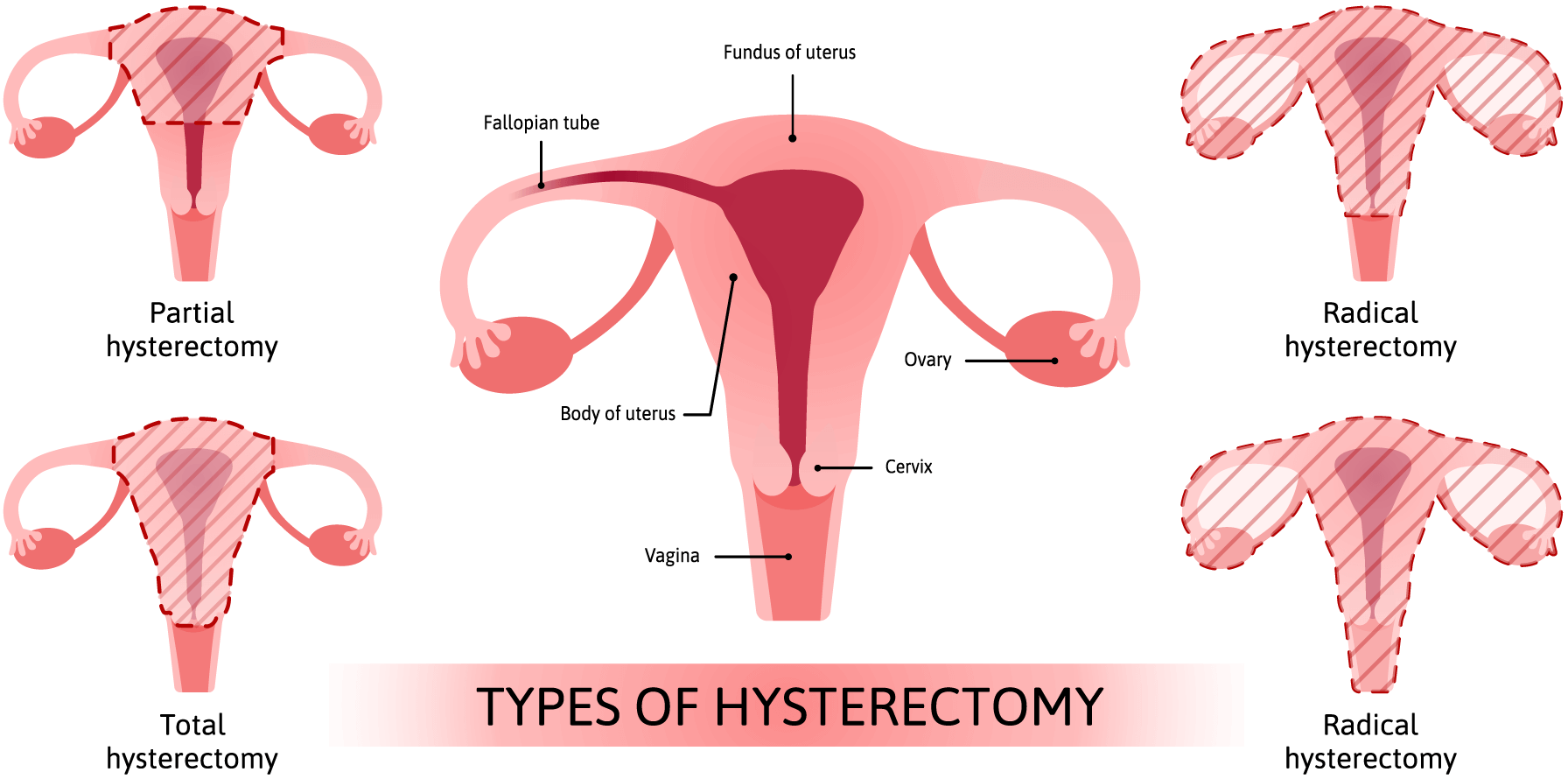
Radical hysterectomy
Radical hysterectomy is a surgical procedure that is used to treat cervical or uterine cancer that has not spread beyond the reproductive organs. The procedure involves the removal of the uterus, cervix, upper part of the vagina, and surrounding tissues, including the lymph nodes and sometimes the ovaries and fallopian tubes.
During the procedure, the surgeon makes an incision in the lower abdomen and carefully removes the reproductive organs and surrounding tissue. The lymph nodes in the pelvis and sometimes the paraaortic lymph nodes are also removed and examined under a microscope to determine if there are any cancer cells present.
Radical hysterectomy is a major surgery that requires a hospital stay and a period of recovery. After the surgery, the patient may experience side effects such as pain, bleeding, and infection. Depending on the extent of the surgery, the patient may also experience temporary or permanent changes in bowel and bladder function, sexual function, and fertility.
The specific treatment plan depends on the type and stage of the cancer and the patient's overall health. In some cases, radiation therapy or chemotherapy may be used in addition to surgery to treat the cancer.
As with any surgical procedure, there are potential risks and complications associated with radical hysterectomy, including bleeding, infection, and injury to surrounding organs. It is important to discuss the risks and benefits of the procedure with your doctor before undergoing it.
All Treatments
-
 Preventive Oncology- LEEP ( Loop electrosurgical excision procedure)
-
 Thermoablation
-
 Cone Biopsy in Kolkata: Procedure, Diagnosis, and Cervical Cancer Treatment
-
 Oncology
-
 Staging laparotomy -Pelvic lymphadenectomy
-
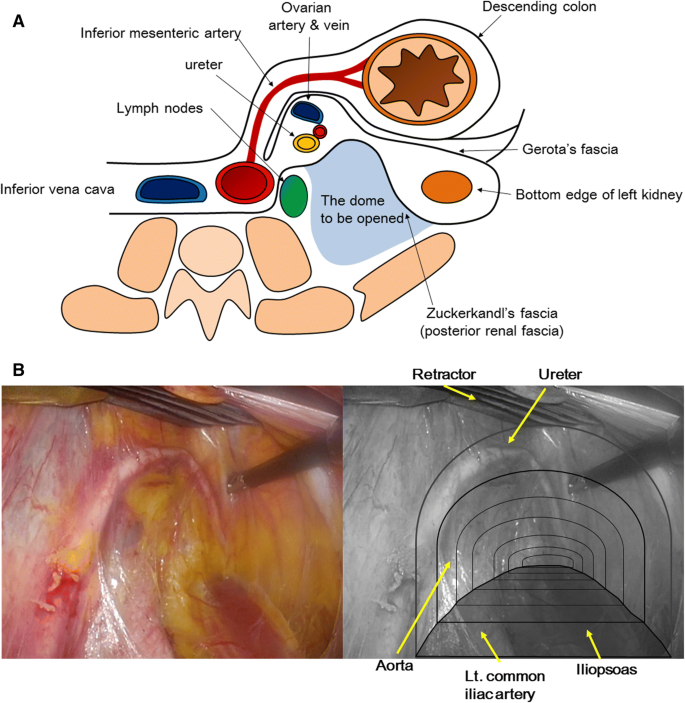 Paraaortic lymphadenectomy
-
 Omentectomy
-
Radical hysterectomy
-
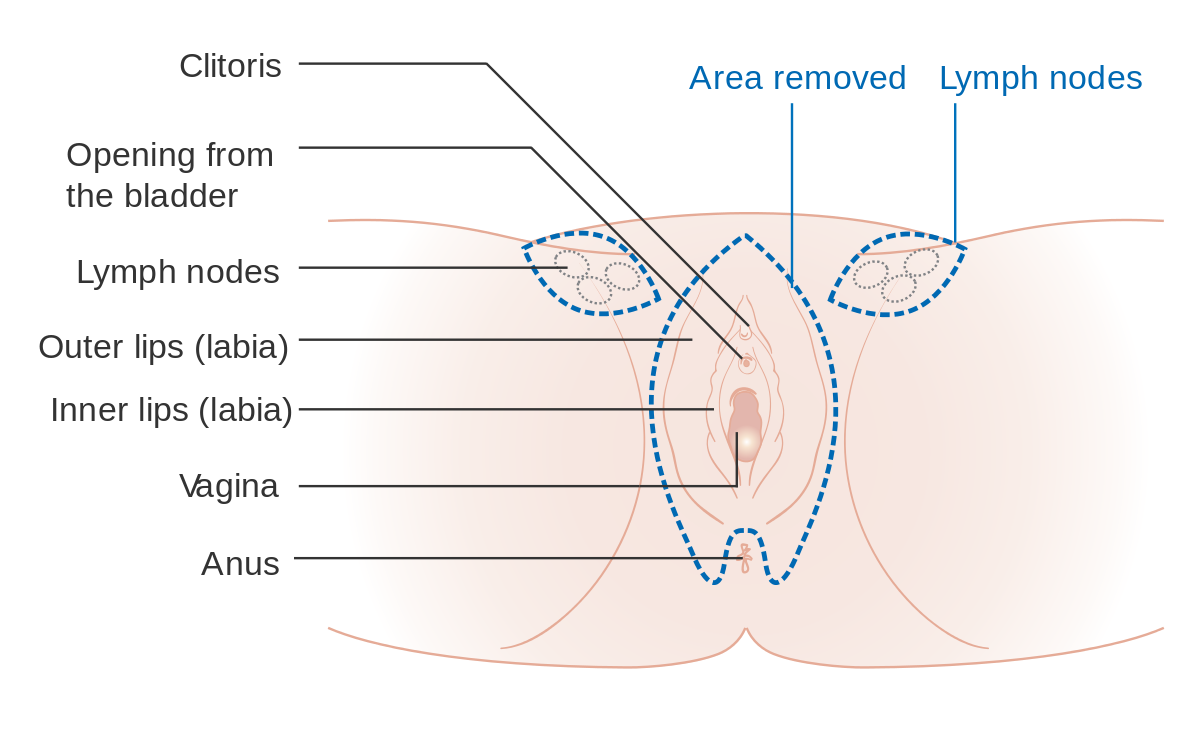 Radical vulvectomy
-
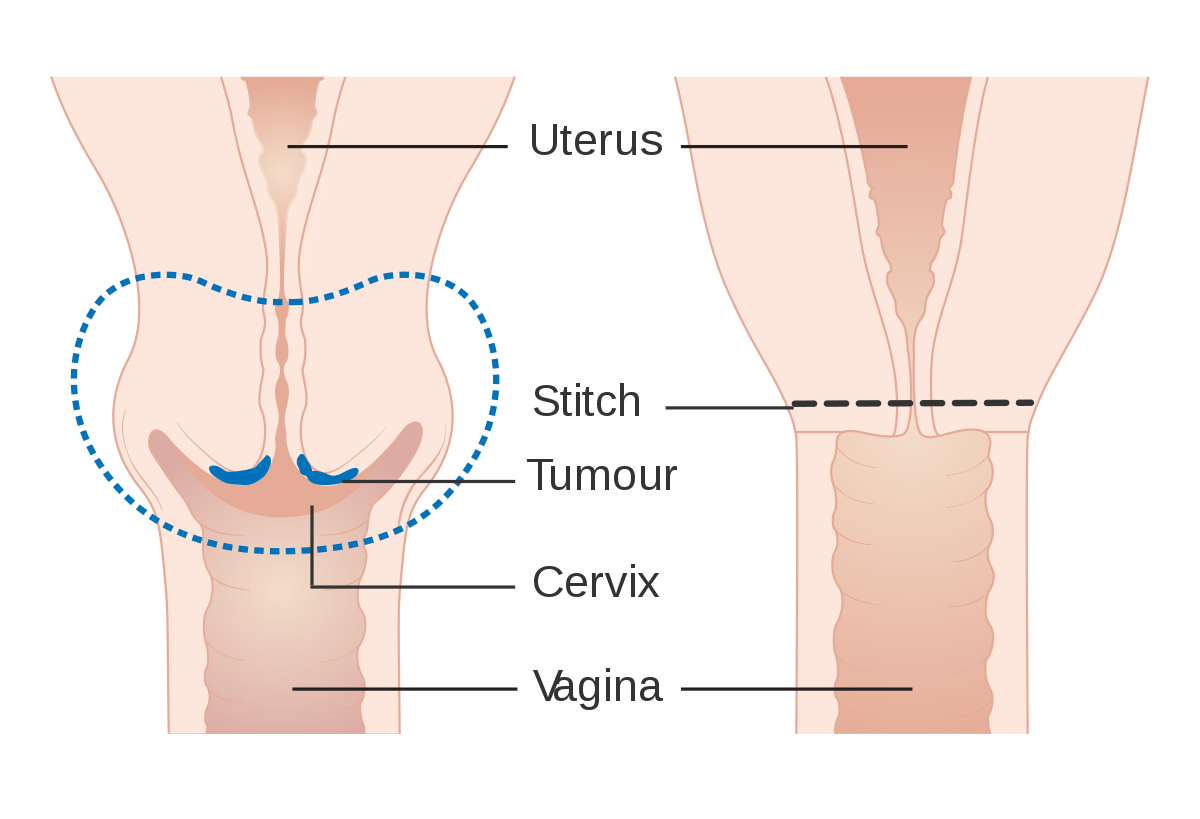 Trachelectomy
-
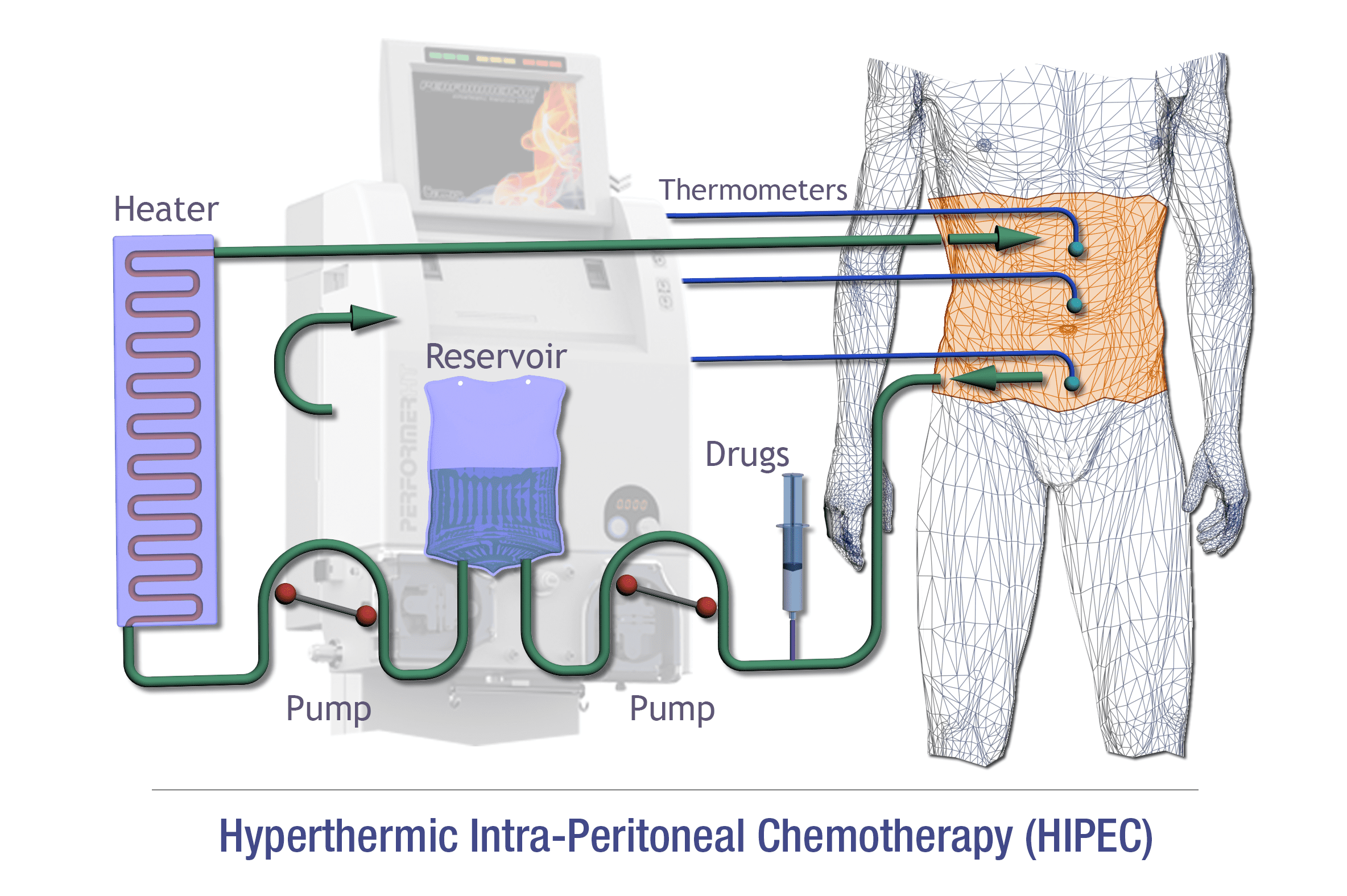 HIPEC ( Hyperthermic intraperitoneal chemotherapy)
-
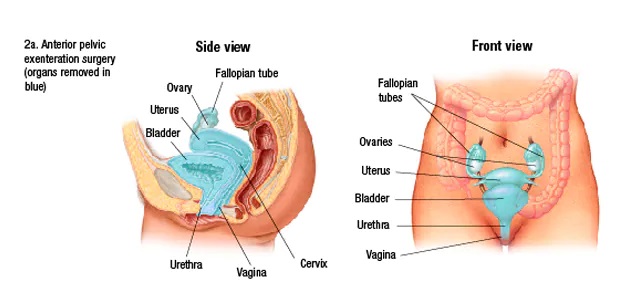 Exenteration
-
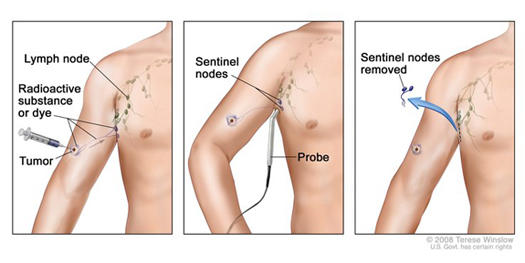 Sentinel lymphnode biopsy
-
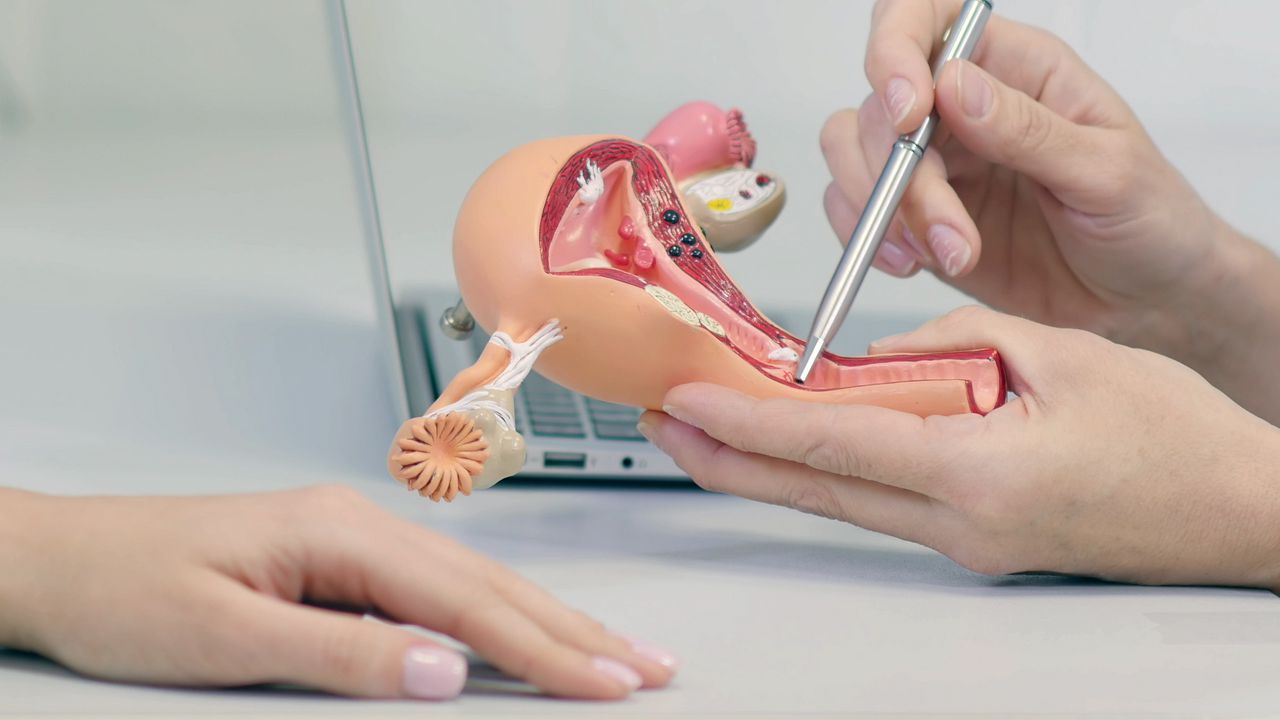 Laparoscopy
-
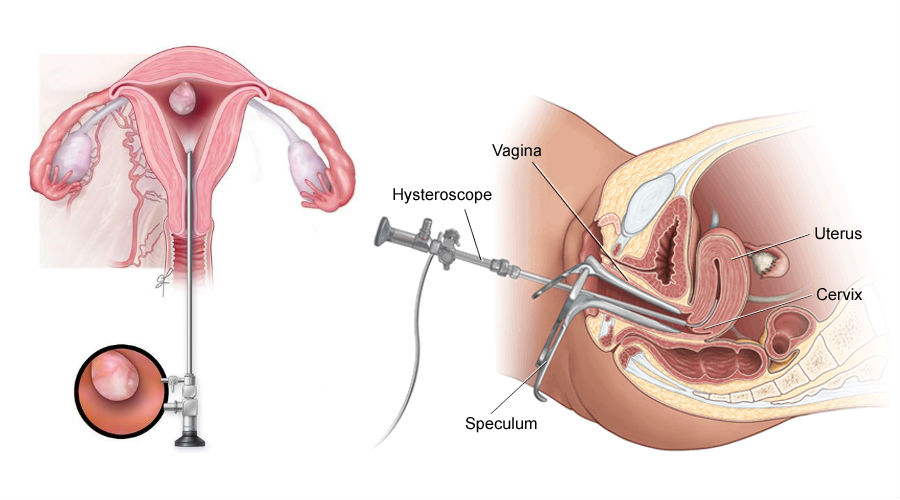 Hysteroscopy
-
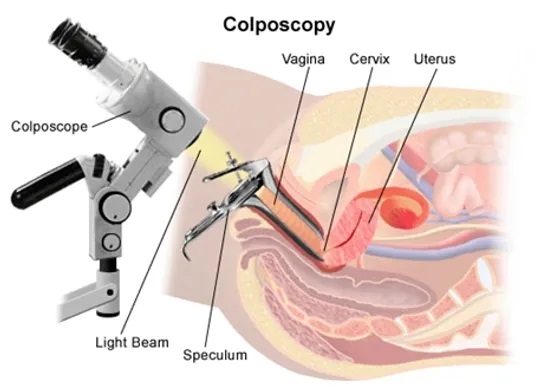 Colposcopy
-
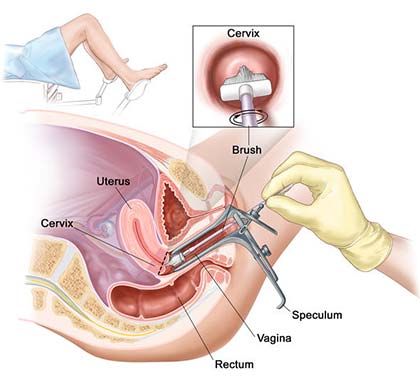 Cervical biopsy
-
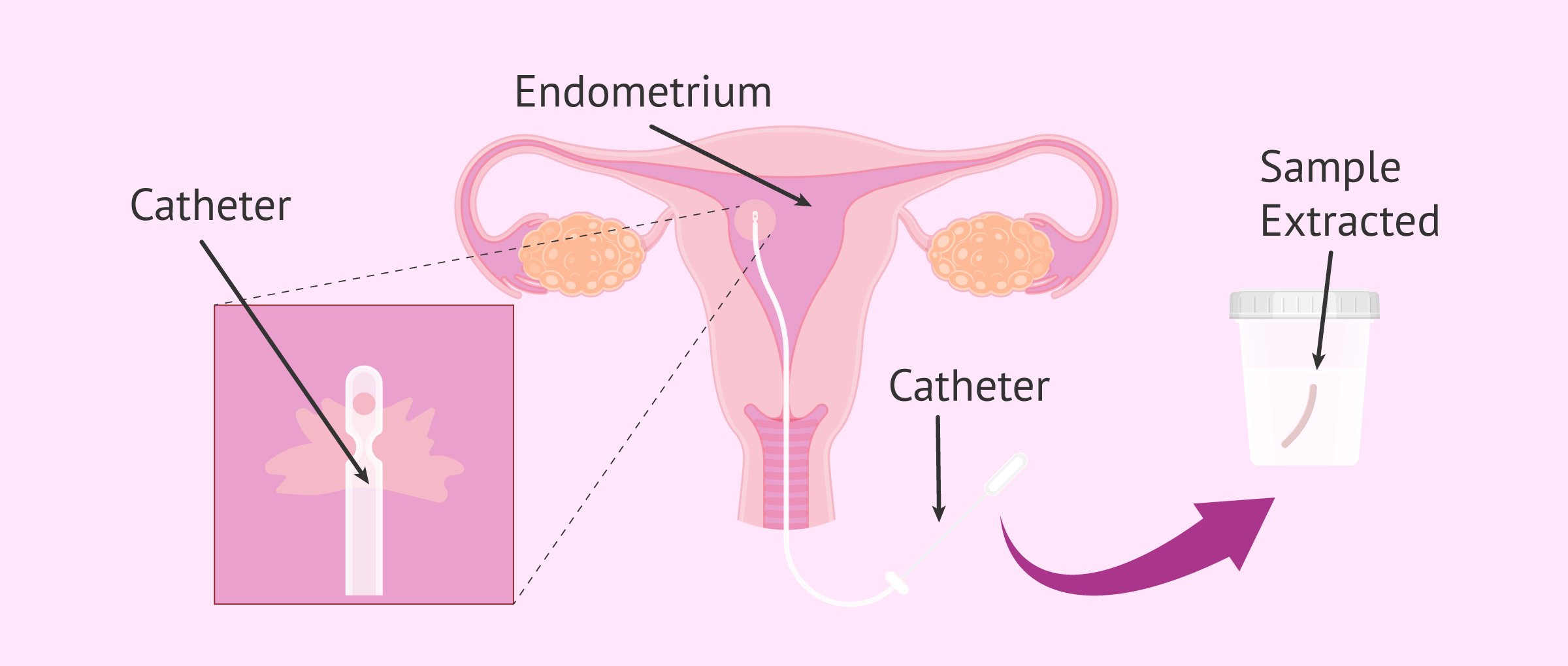 Endometrial biopsy
-
 Vulval biopsy