
White Discharge in Women: When It Could Be Serious? | Dr. Amit Mandal Kolkata
Posted on: Apr 17, 2026
White Discharge in Women: When It Could Be Serious? A Doctors Perspective by Dr. Amit Mandal
White discharge is something most women experience at some point in their lives. In many cases, it is completely normal and part of the body’s natural cleansing process. However, in some situations, it can be a sign of an underlying problem that needs medical attention.
In my clinical practice, I often see women who are either overly worried about normal discharge or, on the other hand, ignoring symptoms that actually require evaluation. The key is to understand when it is normal and when it may be serious.
Understanding normal white discharge
Normal vaginal discharge is usually clear or milky white, does not have a strong odor, and may vary during different phases of the menstrual cycle.
- Before ovulation, it may be thin and stretchy
- After ovulation, it may become thicker
- During pregnancy, discharge may increase
This type of discharge is generally harmless and does not require treatment.
When white discharge becomes a concern
White discharge should not be ignored if it changes in character or is associated with other symptoms.
- Foul or unusual smell
- Yellow, green, or grey color
- Itching or irritation
- Burning sensation
- Pain during urination or intercourse
These changes may indicate infections or other gynecological conditions.
Common causes of abnormal discharge
In many cases, abnormal discharge is caused by infections. These include:
- Fungal infections (yeast infection)
- Bacterial vaginosis
- Sexually transmitted infections
These conditions are usually treatable, but they require proper diagnosis rather than self-medication.
When it could be something more serious
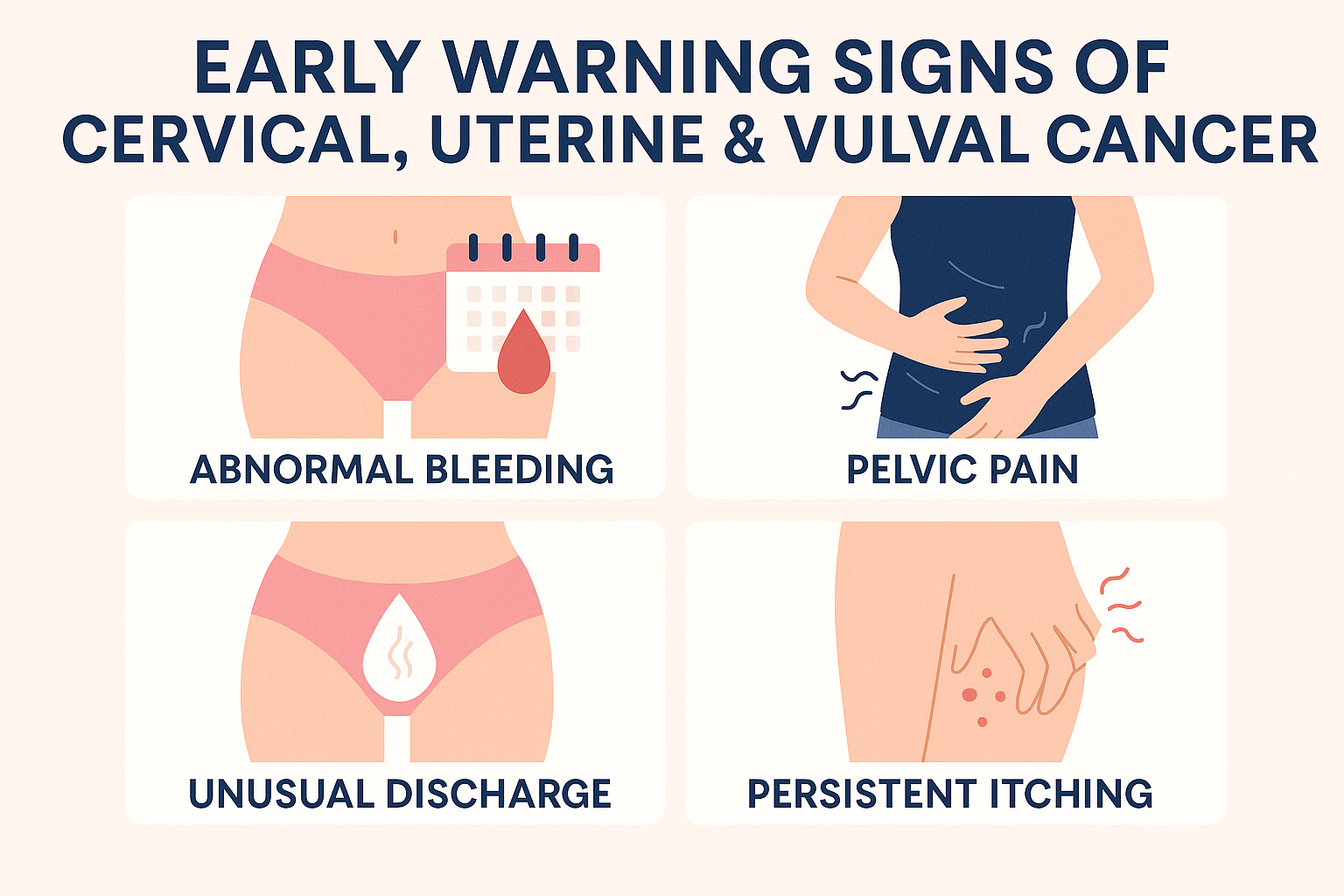
Although less common, persistent or unusual discharge can sometimes be linked to more serious conditions such as cervical or uterine abnormalities.
In particular, if discharge is associated with bleeding, pelvic pain, or occurs after menopause, it should be evaluated carefully.
In some cases, it may be related to early changes linked to uterine conditions or even cancer. This is why symptoms should not be ignored.
A clinical observation
I have seen patients who ignored persistent discharge for months, assuming it was a minor infection. When evaluated later, it required more detailed investigation.
On the other hand, patients who came early with mild symptoms were often relieved to find that the cause was simple and easily treatable.
This highlights the importance of timely consultation.
Related symptoms you should not ignore
- Irregular bleeding
- Lower abdominal pain
- Postmenopausal bleeding
- Persistent pelvic discomfort
If you are experiencing irregular bleeding along with discharge, read our detailed guide on irregular bleeding after 40 and cancer risk.
If discharge is associated with pain, you may also want to understand lower abdominal pain in women and when to worry.
When to see a doctor
- Discharge persists for several weeks
- There is associated itching or burning
- There is bleeding along with discharge
- Symptoms worsen over time
- You are above 40 and noticing new symptoms
These situations require proper evaluation.
How the cause is diagnosed
Diagnosis involves a systematic approach rather than guesswork.
- Detailed medical history
- Physical and pelvic examination
- Vaginal swab or laboratory tests
- Ultrasound if required
- Additional tests based on findings
This helps identify the exact cause and guide appropriate treatment.
Why early diagnosis matters
Most causes of abnormal discharge are easily treatable when identified early. However, delaying evaluation can lead to complications or progression of underlying conditions.
Early consultation ensures timely treatment and peace of mind.
If you are concerned about serious causes, you can learn more about uterine cancer treatment in Kolkata and available options.
Who should consider consultation
If you are experiencing persistent or unusual discharge, it is advisable to consult a specialist such as Dr. Amit Mandal.
- Women above 40 with new symptoms
- Those with recurrent infections
- Anyone with associated bleeding or pain
- Women with a family history of gynecologic cancers
A timely consultation can help rule out serious conditions and ensure appropriate treatment.
A message for women in Kolkata
Many women delay seeking medical advice due to hesitation or busy schedules. However, ignoring symptoms can lead to unnecessary complications.
Your health deserves attention. Even a simple consultation can provide clarity and reassurance.
Common misconceptions
Many believe that all white discharge is normal, which is not always true. Others rely on home remedies without proper diagnosis.
While minor infections can occur, persistent or unusual symptoms should always be evaluated by a doctor.
A simple approach to follow
- Observe any changes in discharge
- Note associated symptoms
- Avoid self-medication
- Seek medical advice when symptoms persist
This approach helps in early detection and better outcomes.
Final words from clinical experience
White discharge is common, but it should not be ignored when it changes in pattern or is associated with other symptoms.
In my experience, patients who seek early consultation benefit from simple treatment and reassurance. Delayed cases often require more complex management.
Listening to your body and acting early is always the best approach.
What you should do next
If you are experiencing symptoms that concern you, do not rely on assumptions.
Consult a qualified specialist, understand the cause, and take appropriate action.
Timely care ensures better health and long-term well-being.
Recent Posts
-
 Best Uterine Cancer Treatment in Kolkata: Expert Care & Advanced Therapies
-
 Top Cervical Cancer Doctor in Kolkata | Best Treatment & HPV Prevention
-
 Best Vulval Cancer Doctor in Kolkata: When & Where to Seek Help
-
 Endometrial cancer treatment in Kolkata | Dr. Amit Mandal
-
Menopausal Bleeding - A Warning Sign of Uterine Cancer? Symptoms & Treatment
Comments (0)
Post Your Comment