
Exenteration
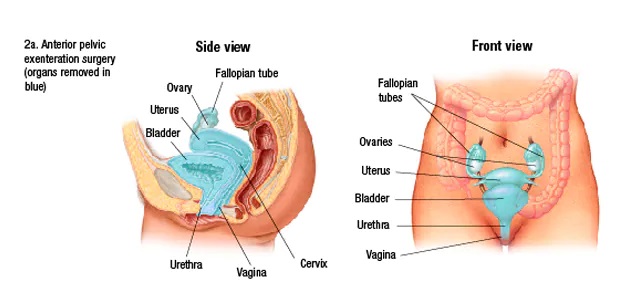
Exenteration is a surgical procedure that involves the removal of one or more organs in the pelvis. It is typically used to treat advanced or recurrent cancers that have spread to the pelvic area, such as cervical, vaginal, or rectal cancer.
The type of exenteration performed depends on the location and extent of the cancer. There are three main types of exenteration: anterior, posterior, and total. Anterior exenteration involves the removal of the bladder and the reproductive organs, while posterior exenteration involves the removal of the rectum and part of the colon. Total exenteration involves the removal of all the organs in the pelvic area, including the bladder, rectum, and reproductive organs.
After the surgery, the patient will require a colostomy or ileostomy to collect waste products, as well as catheterization to drain urine. Recovery from exenteration can be lengthy and requires a team approach, including support from a specialized nursing team, physical therapists, and other healthcare professionals.
Exenteration is a complex and risky procedure that carries a high risk of complications, such as infection, bleeding, and damage to surrounding organs. It is typically considered a last resort for patients who have not responded to other treatments and who have a limited life expectancy. The decision to undergo exenteration should be made in consultation with an experienced surgeon and oncologist.
All Treatments
-
 Preventive Oncology- LEEP ( Loop electrosurgical excision procedure)
-
 Thermoablation
-
 Cone Biopsy in Kolkata: Procedure, Diagnosis, and Cervical Cancer Treatment
-
 Oncology
-
 Staging laparotomy -Pelvic lymphadenectomy
-
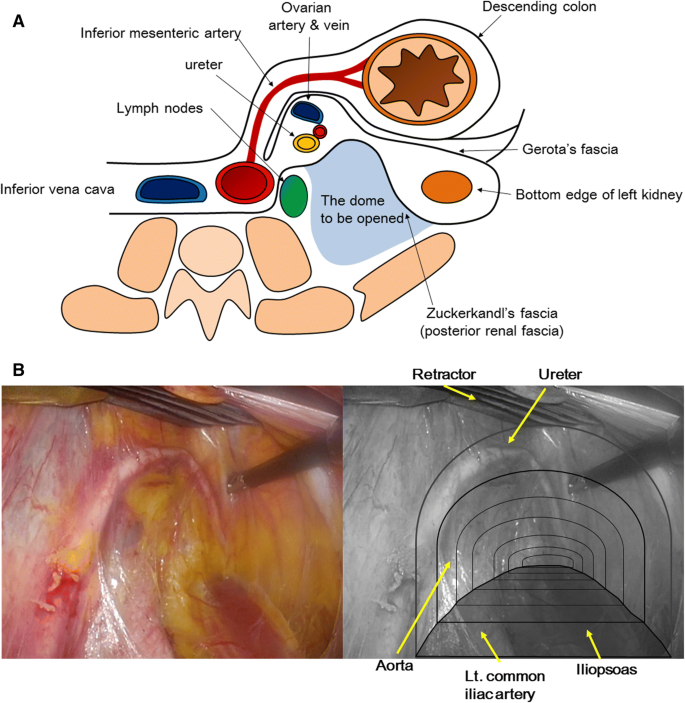 Paraaortic lymphadenectomy
-
 Omentectomy
-
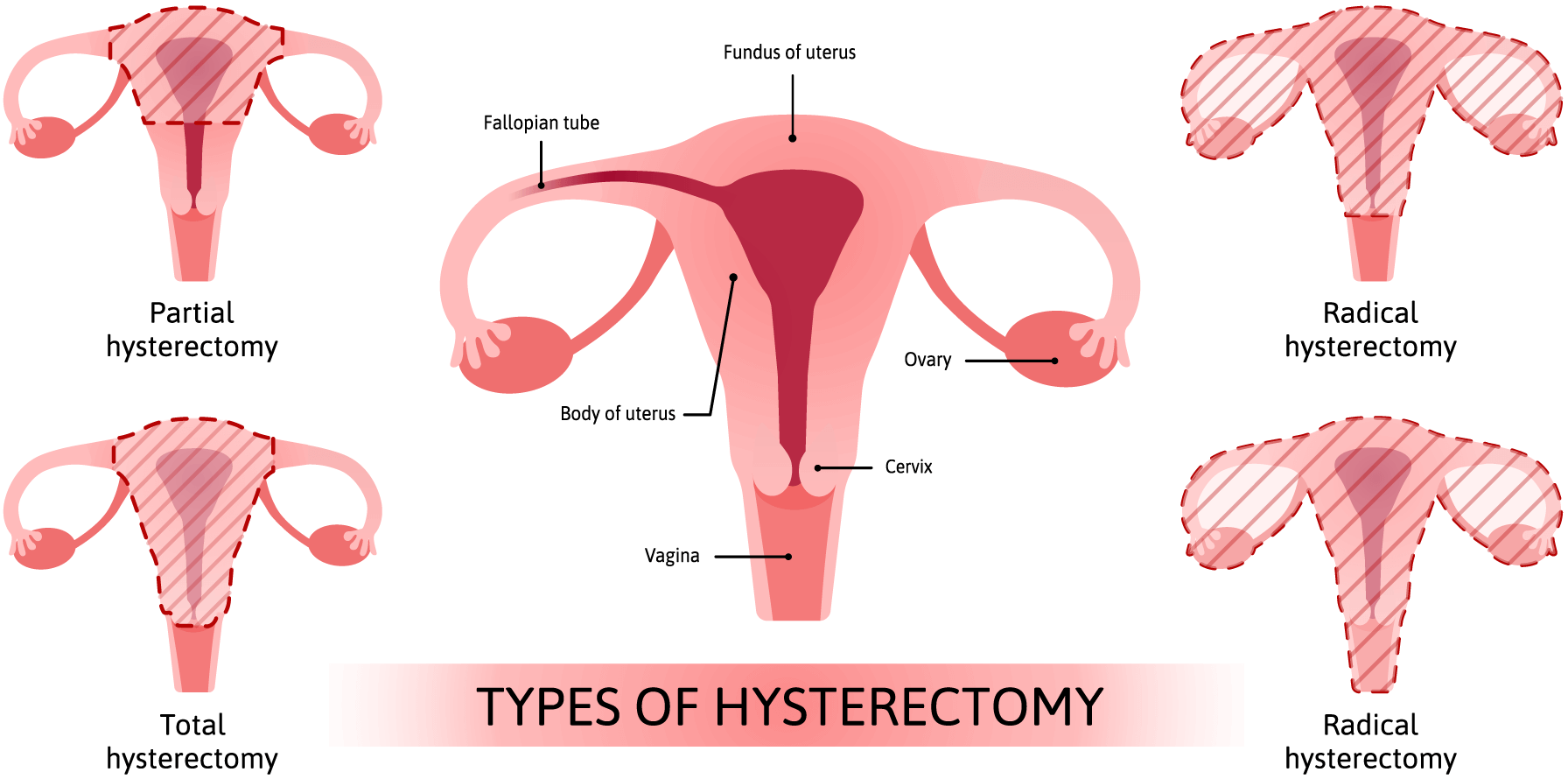 Radical hysterectomy
-
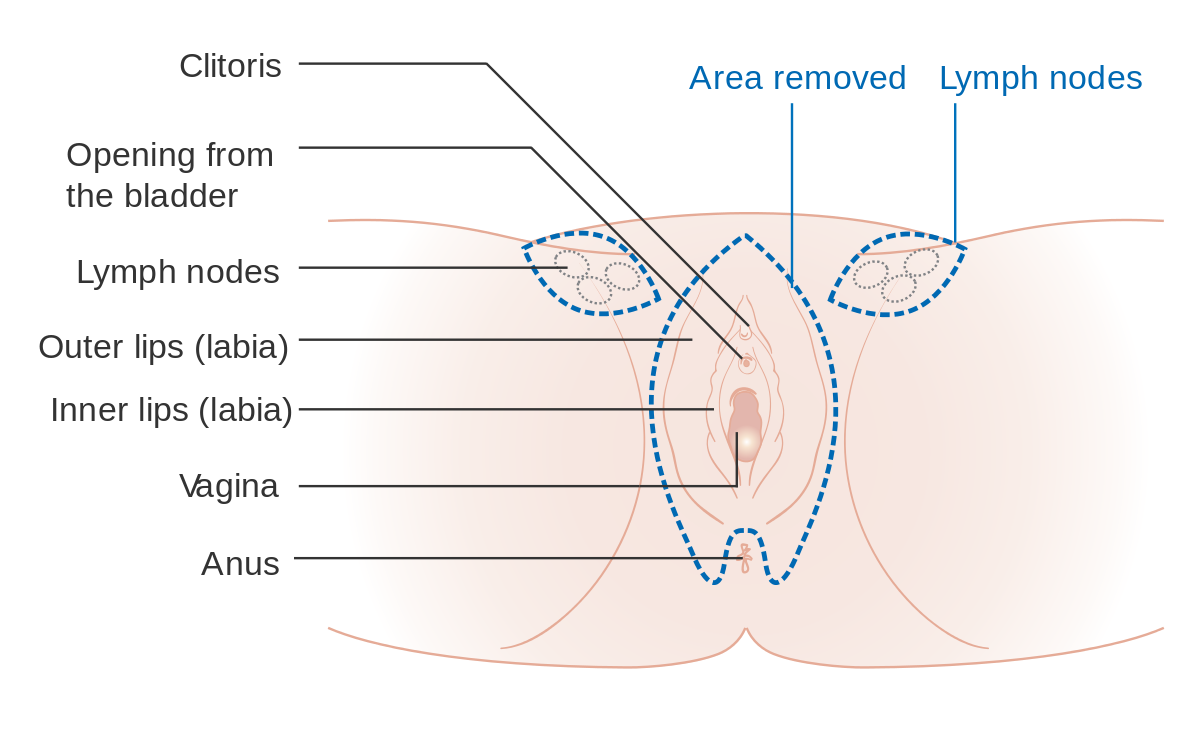 Radical vulvectomy
-
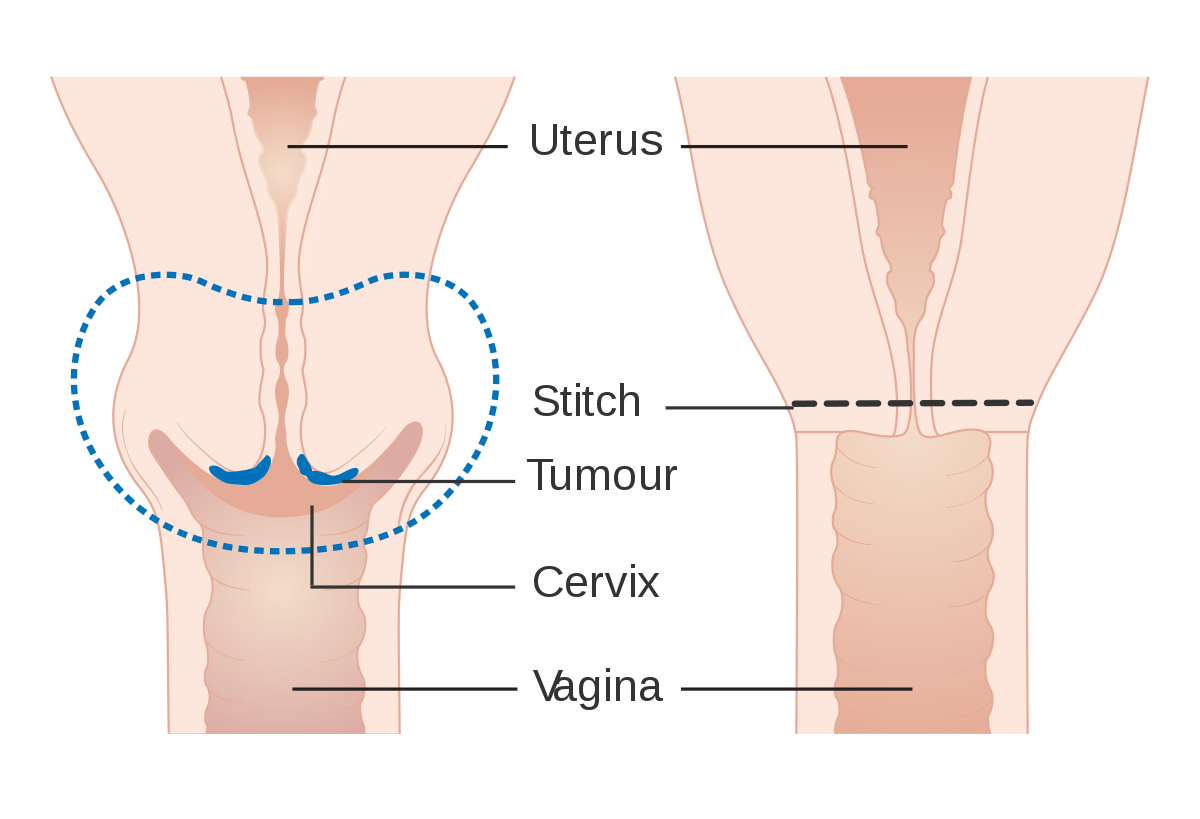 Trachelectomy
-
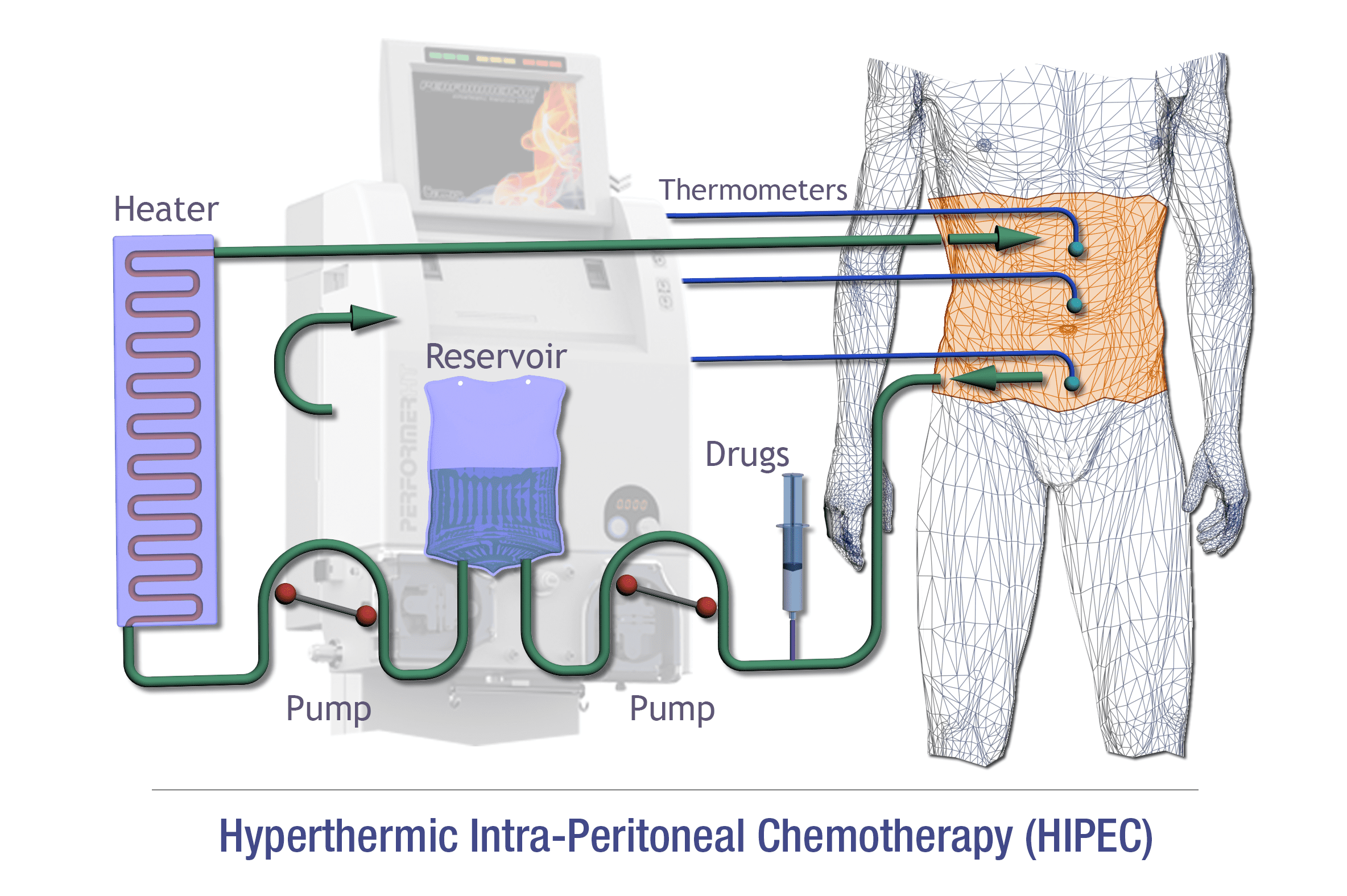 HIPEC ( Hyperthermic intraperitoneal chemotherapy)
-
Exenteration
-
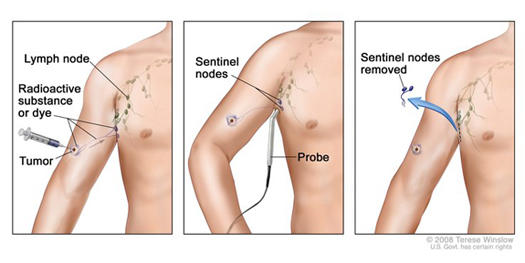 Sentinel lymphnode biopsy
-
 Laparoscopy
-
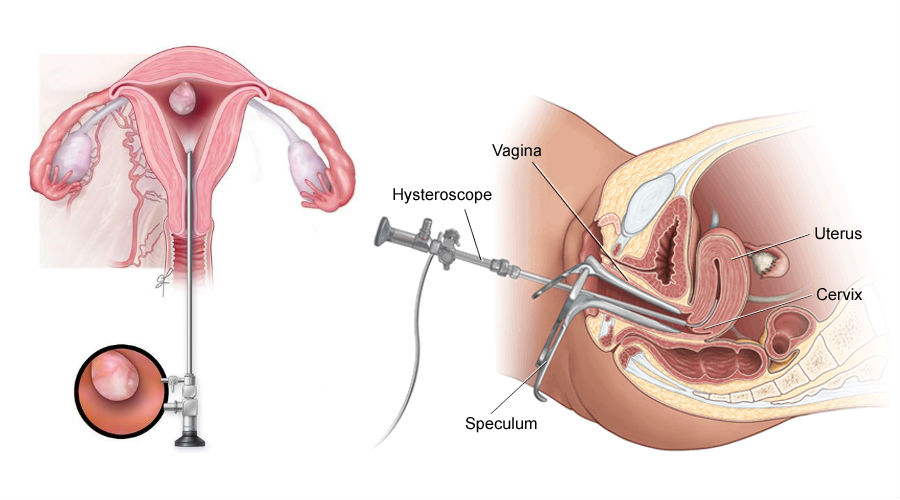 Hysteroscopy
-
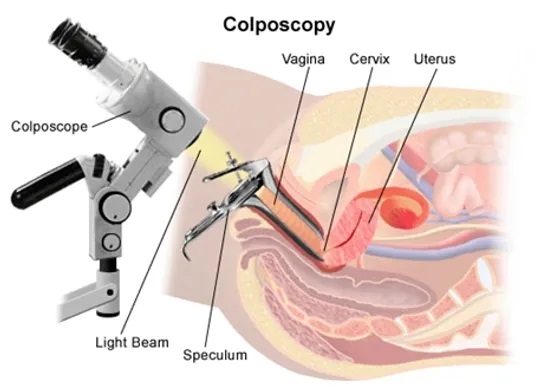 Colposcopy
-
 Cervical biopsy
-
 Endometrial biopsy
-
 Vulval biopsy