
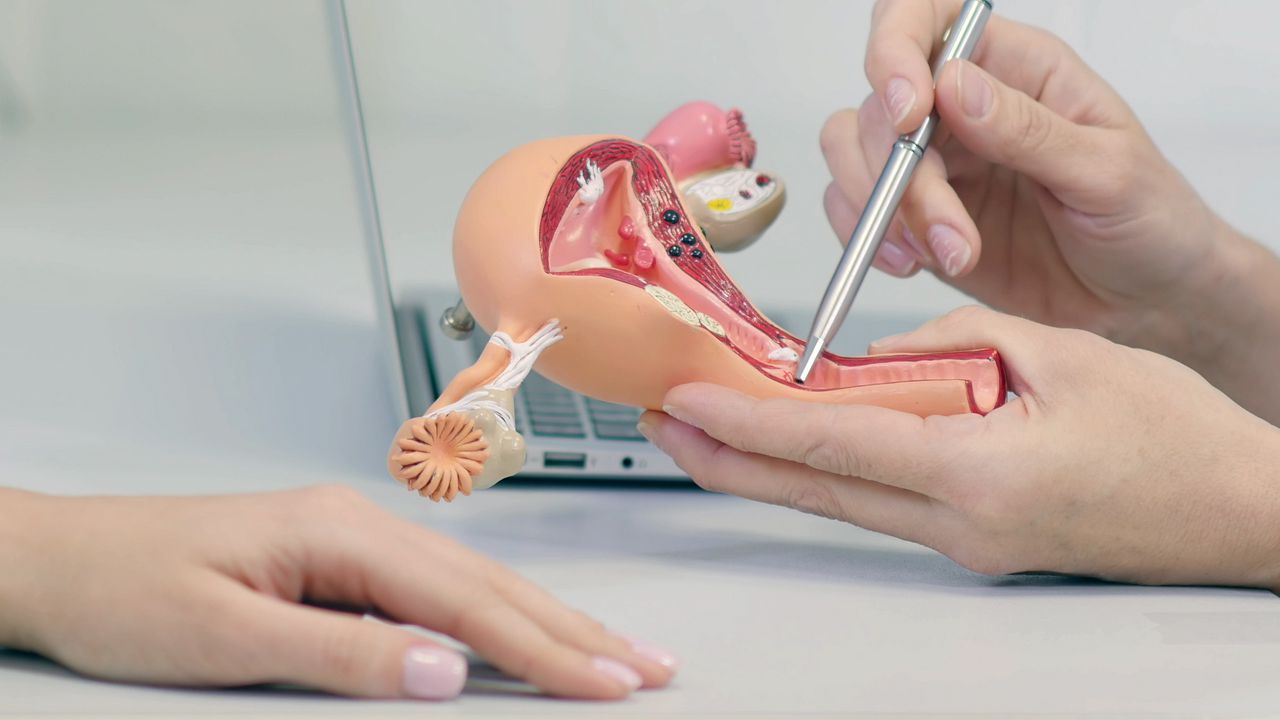
Laparoscopy
Laparoscopy is a minimally invasive surgical technique that uses a small, specialized camera called a laparoscope to view and operate on internal organs through a small incision in the abdomen. It is commonly used in the diagnosis and treatment of a variety of medical conditions, including endometriosis, ovarian cysts, and uterine fibroids.
During the procedure, the surgeon makes a small incision in the abdomen and inserts the laparoscope, which is connected to a video monitor. The laparoscope allows the surgeon to see the organs inside the abdomen, and specialized instruments are used to perform the surgical procedure. Because the incisions are small, there is less scarring, less pain, and a shorter recovery time compared to traditional open surgery.
Laparoscopy is typically performed under general anesthesia and may require a short hospital stay, depending on the complexity of the procedure. The recovery time varies depending on the type of surgery performed but is generally shorter than traditional open surgery.
While laparoscopy is generally considered safe and effective, as with any surgical procedure, there are risks and potential complications, including bleeding, infection, and damage to surrounding organs. The decision to undergo laparoscopy should be made in consultation with an experienced surgeon and healthcare team.
All Treatments
-
 Preventive Oncology- LEEP ( Loop electrosurgical excision procedure)
-
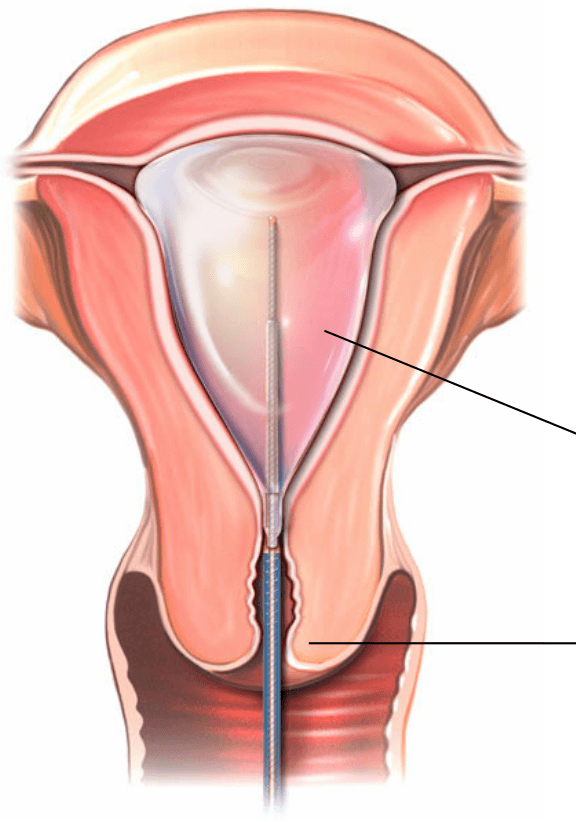 Thermoablation
-
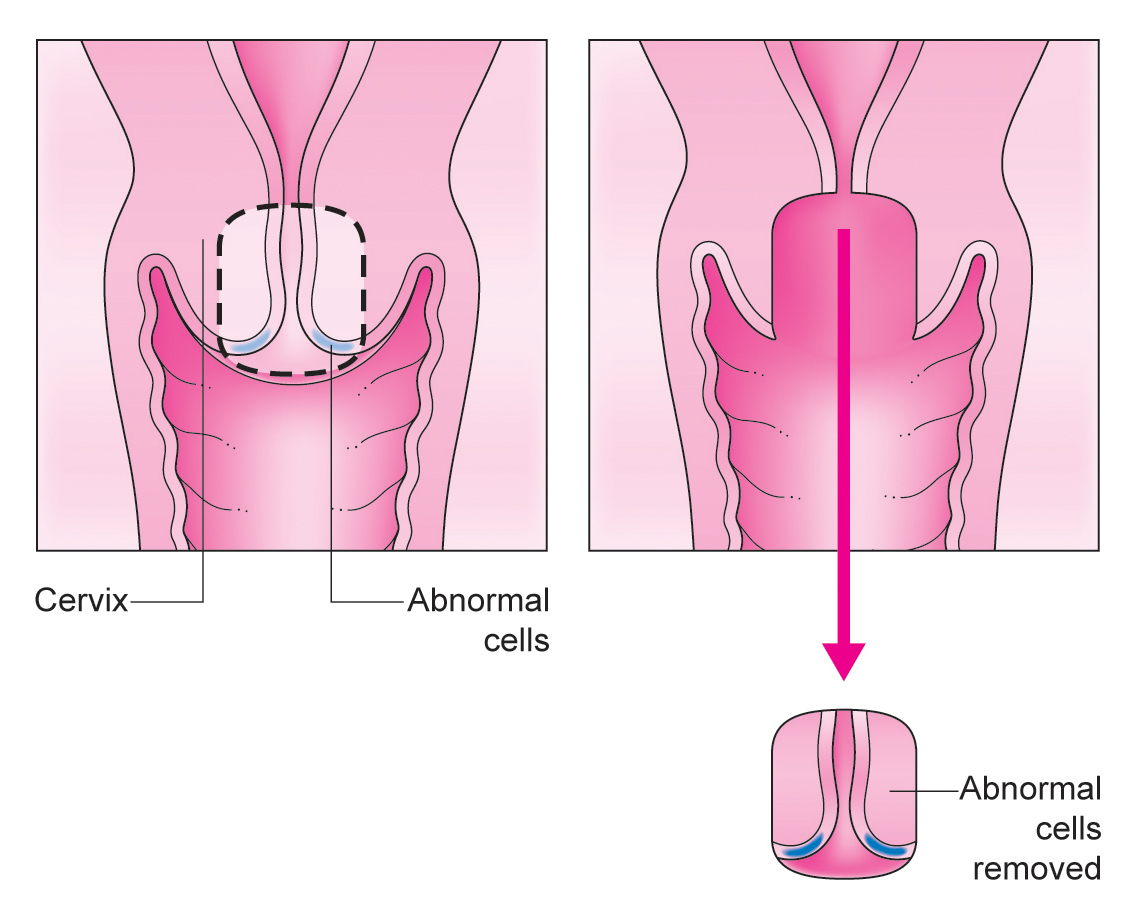 Cone Biopsy in Kolkata: Procedure, Diagnosis, and Cervical Cancer Treatment
-
 Oncology
-
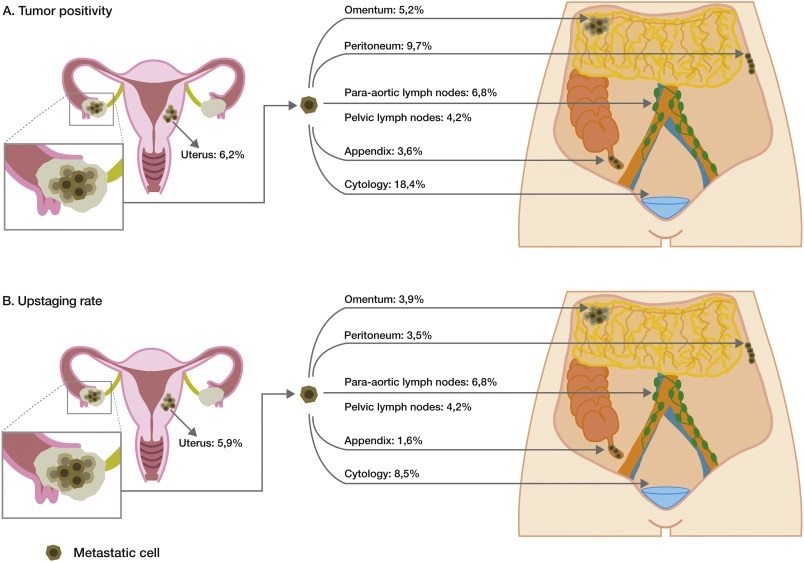 Staging laparotomy -Pelvic lymphadenectomy
-
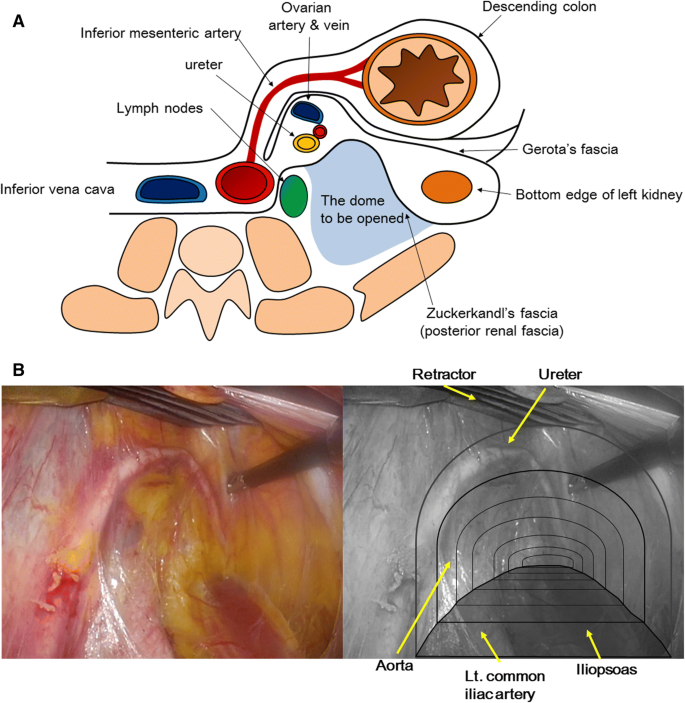 Paraaortic lymphadenectomy
-
 Omentectomy
-
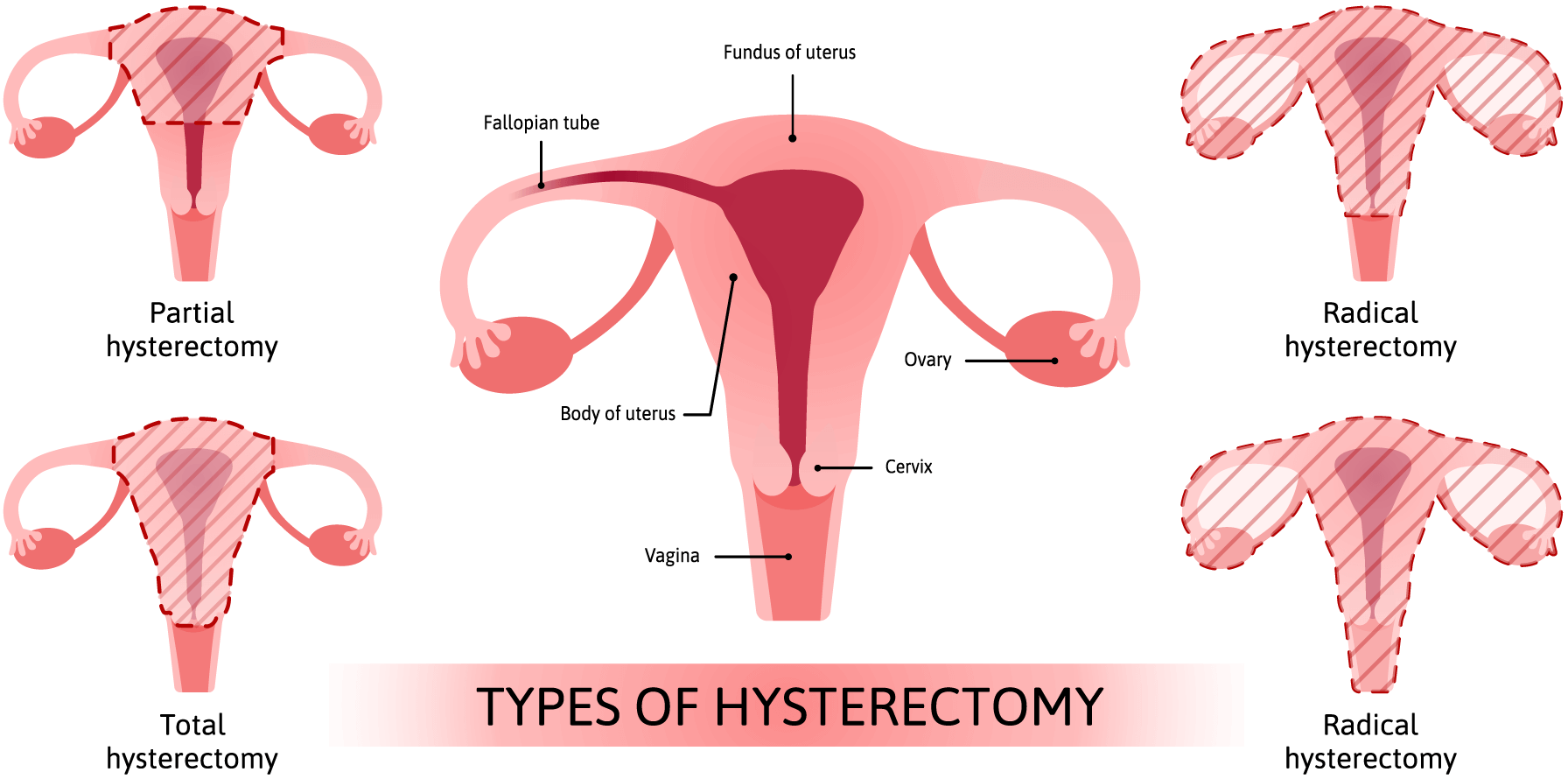 Radical hysterectomy
-
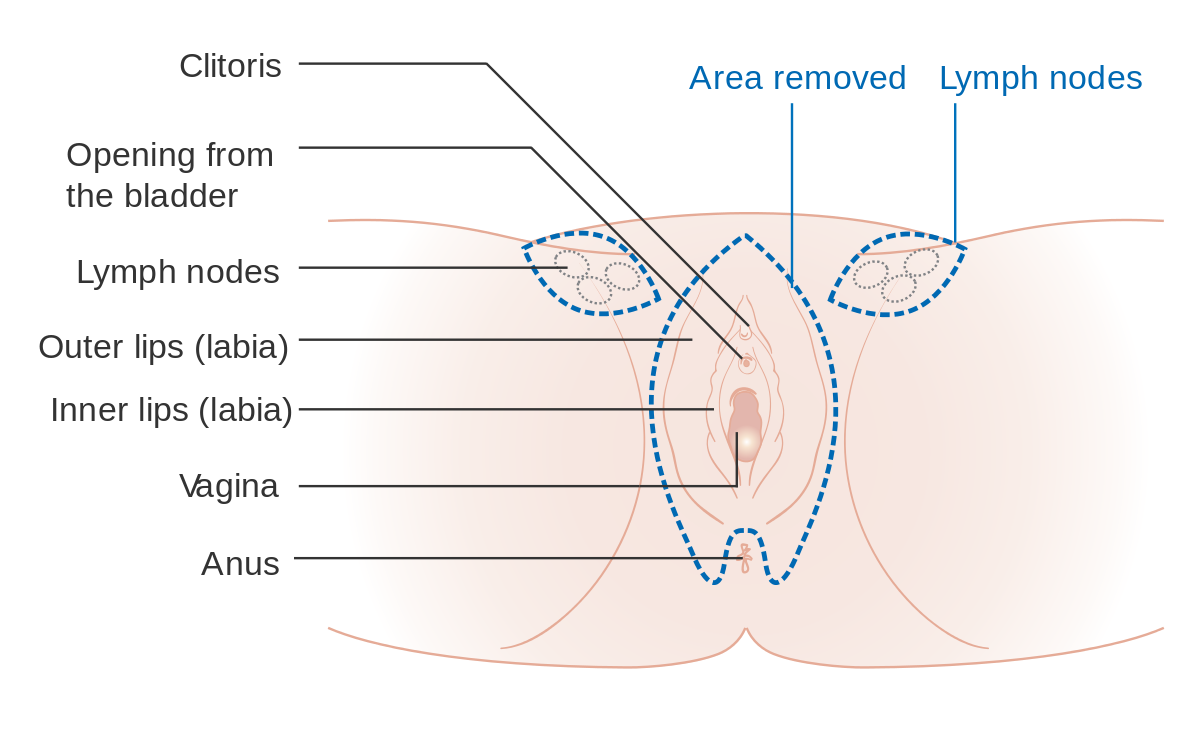 Radical vulvectomy
-
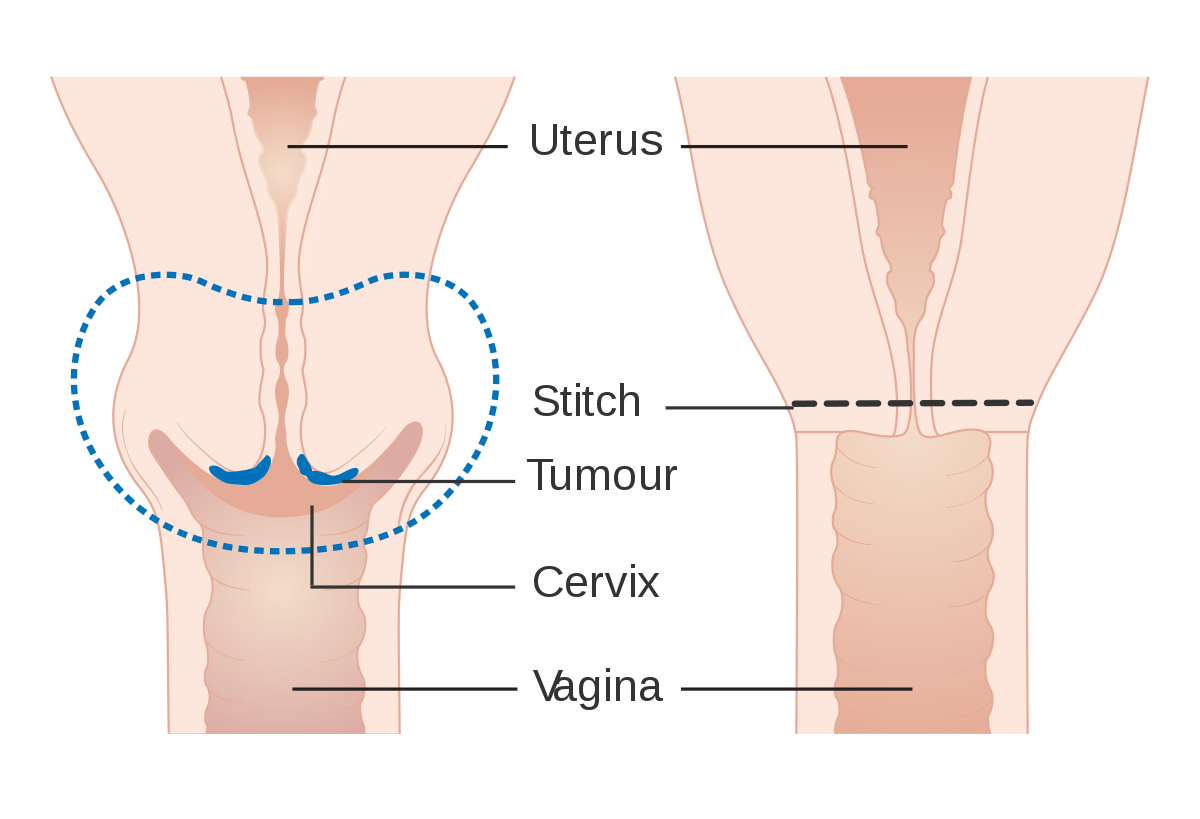 Trachelectomy
-
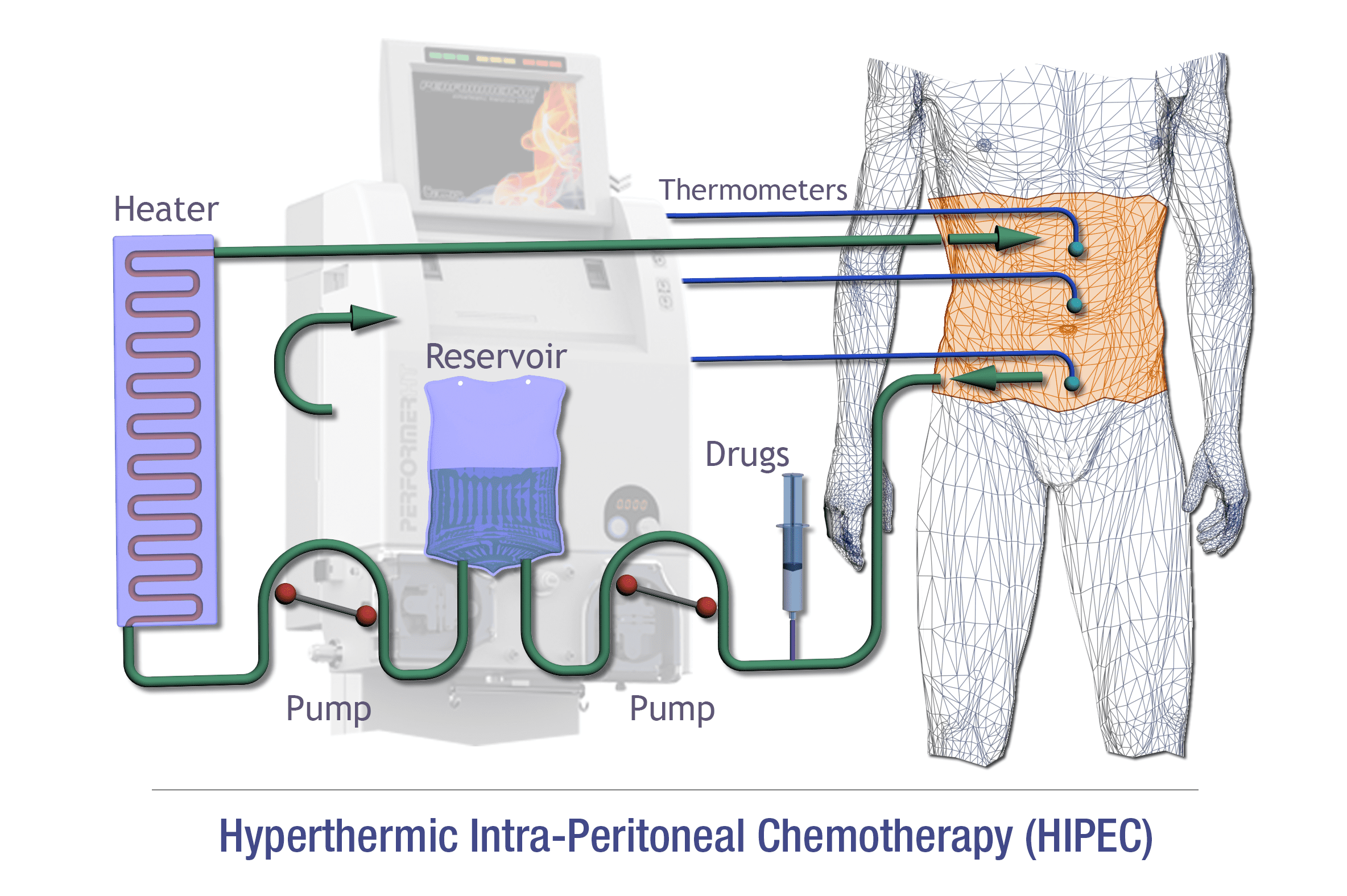 HIPEC ( Hyperthermic intraperitoneal chemotherapy)
-
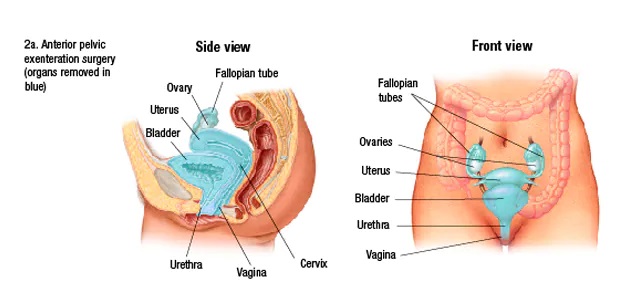 Exenteration
-
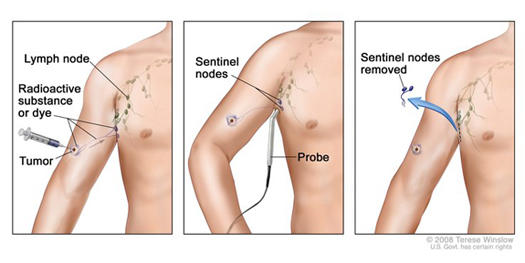 Sentinel lymphnode biopsy
-
Laparoscopy
-
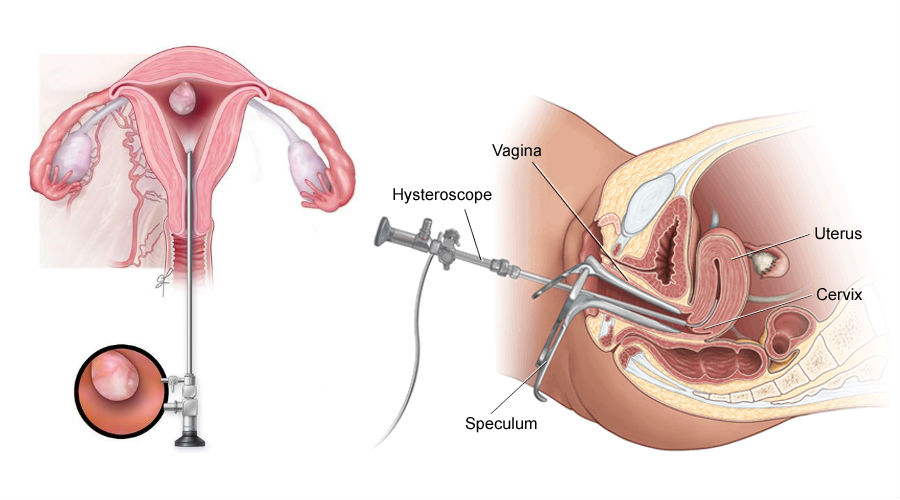 Hysteroscopy
-
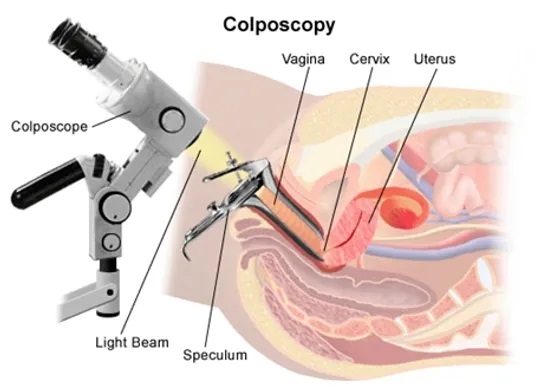 Colposcopy
-
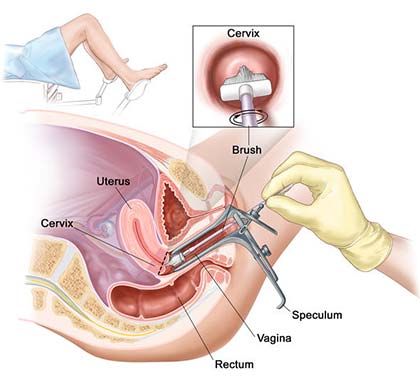 Cervical biopsy
-
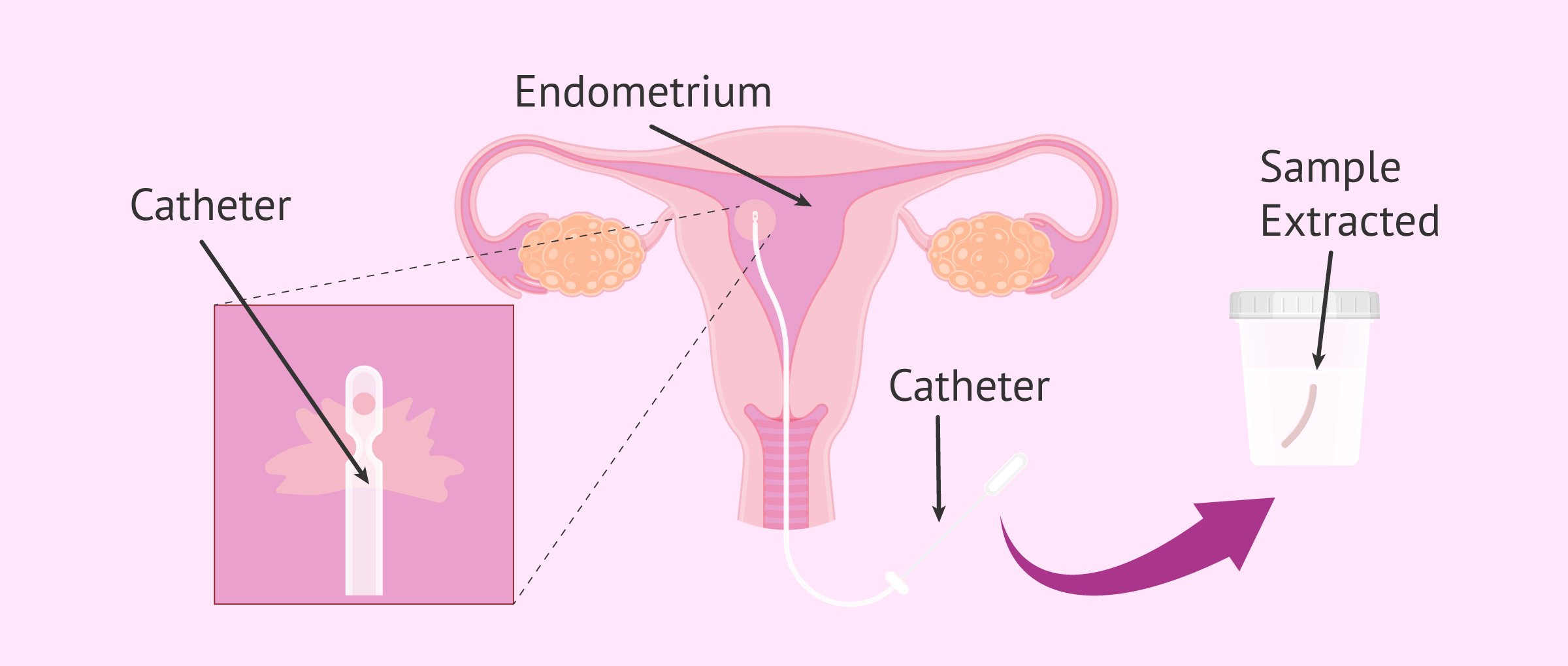 Endometrial biopsy
-
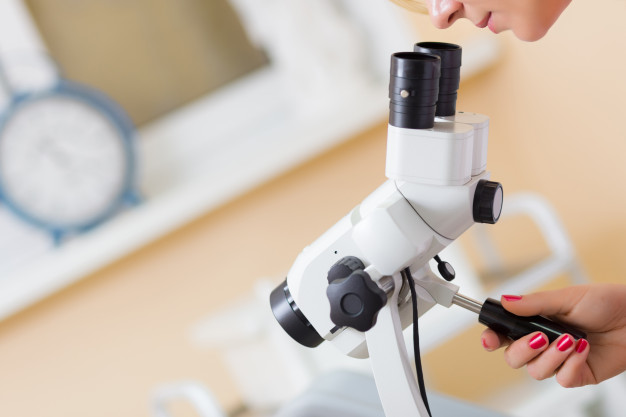 Vulval biopsy