
Staging laparotomy -Pelvic lymphadenectomy
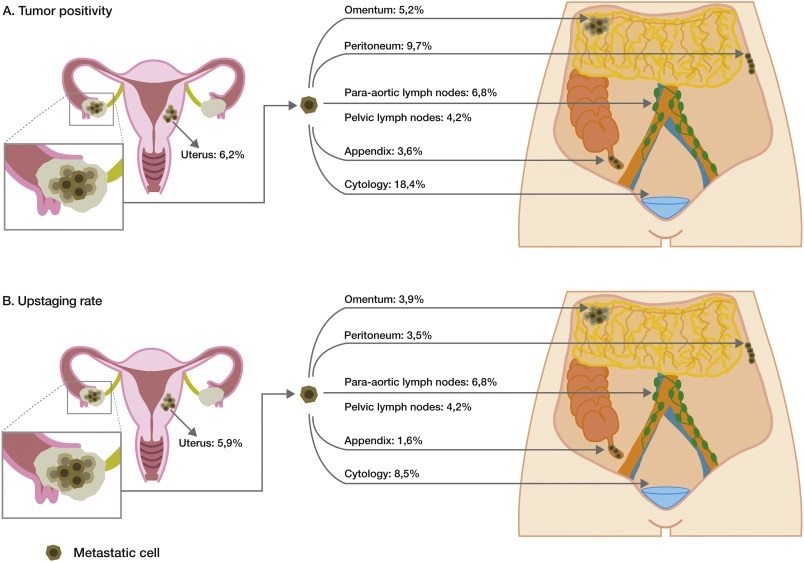
Staging laparotomy with pelvic lymphadenectomy is a surgical procedure that is often performed in patients with gynecologic cancers, such as ovarian, cervical, and endometrial cancer, to determine the extent of the disease and the stage of the cancer.
During the procedure, the surgeon makes an incision in the abdomen and examines the organs in the pelvis, including the uterus, ovaries, fallopian tubes, and lymph nodes. The lymph nodes in the pelvis are removed and examined under a microscope to determine if there are any cancer cells present. The surgeon may also take biopsies of other organs, such as the liver or lungs, to see if the cancer has spread.
Staging laparotomy with pelvic lymphadenectomy is an important diagnostic tool that can help determine the extent of the cancer and guide treatment decisions. It can also help predict the patient's prognosis and provide valuable information for clinical trials and research.
As with any surgical procedure, there are potential risks and complications associated with staging laparotomy with pelvic lymphadenectomy, including bleeding, infection, and injury to surrounding organs. It is important to discuss the risks and benefits of the procedure with your doctor before undergoing it
All Treatments
-
 Preventive Oncology- LEEP ( Loop electrosurgical excision procedure)
-
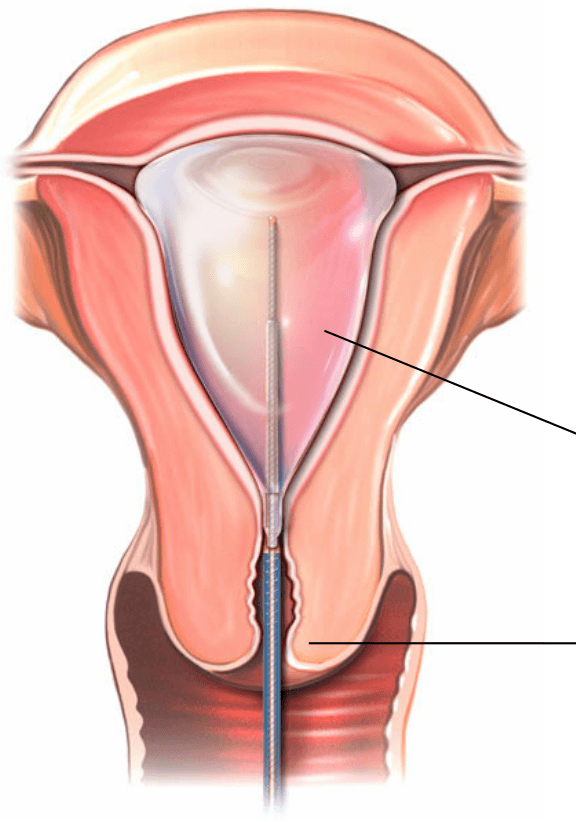 Thermoablation
-
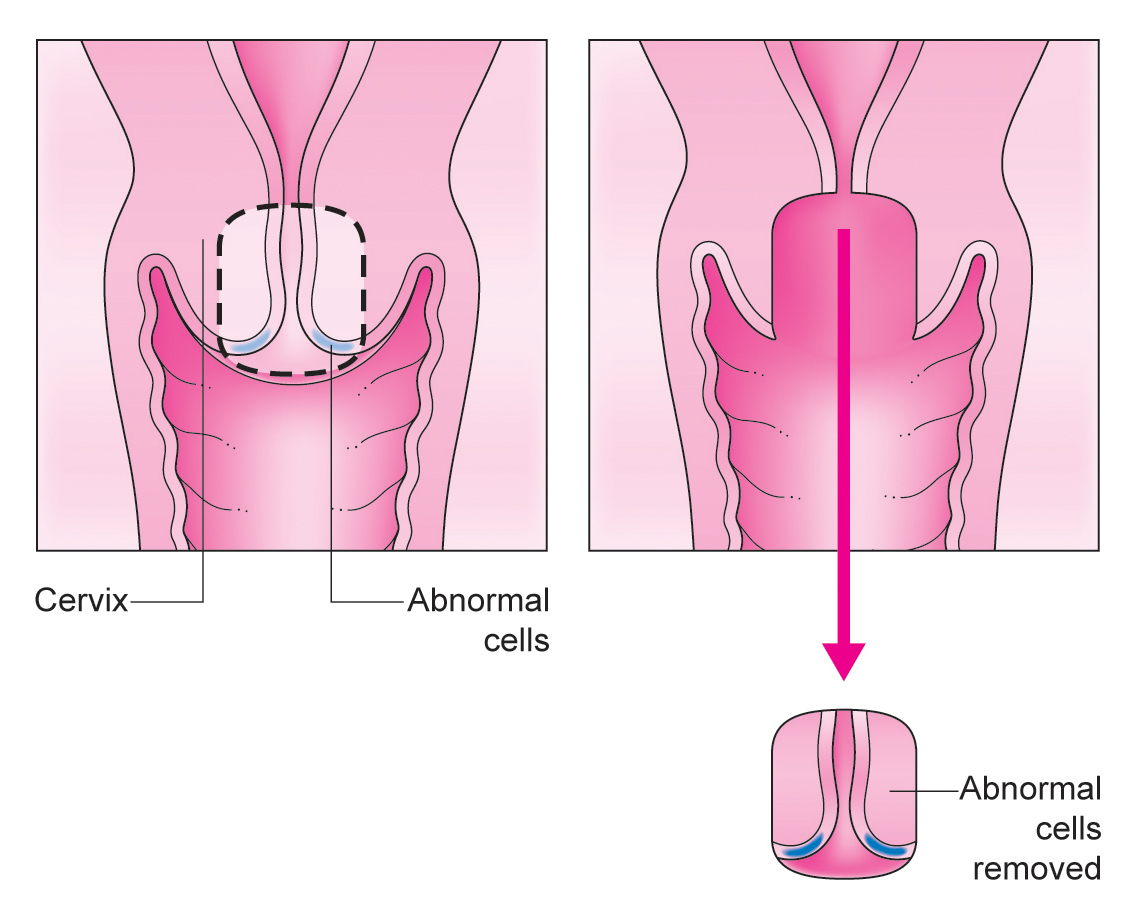 Cone Biopsy in Kolkata: Procedure, Diagnosis, and Cervical Cancer Treatment
-
 Oncology
-
Staging laparotomy -Pelvic lymphadenectomy
-
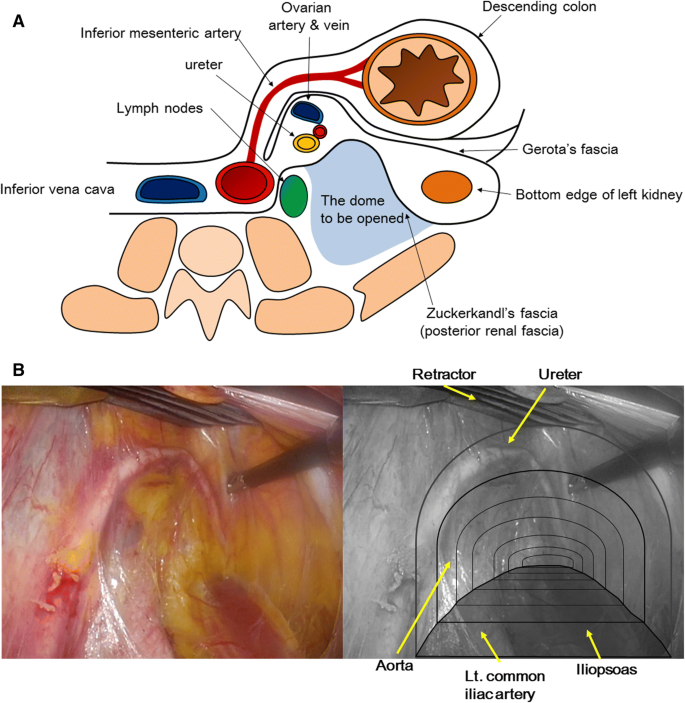 Paraaortic lymphadenectomy
-
 Omentectomy
-
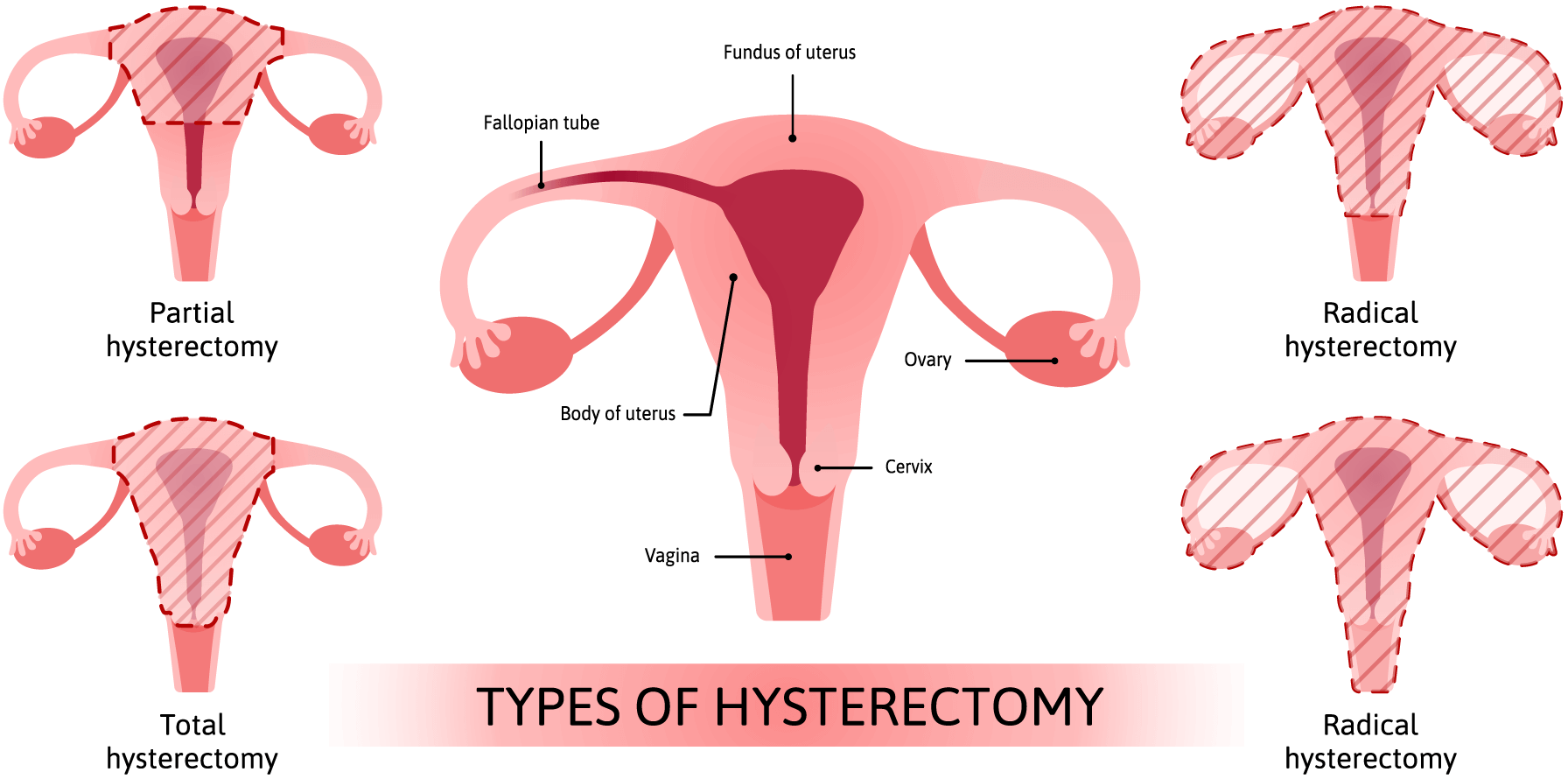 Radical hysterectomy
-
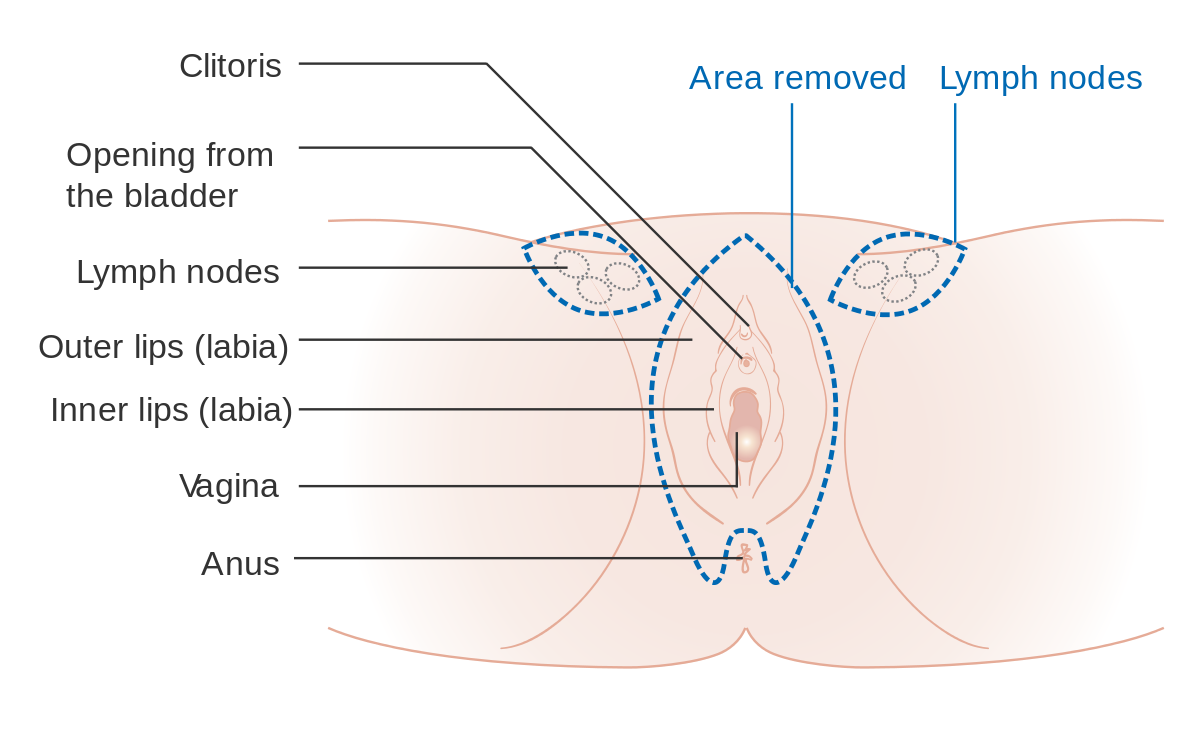 Radical vulvectomy
-
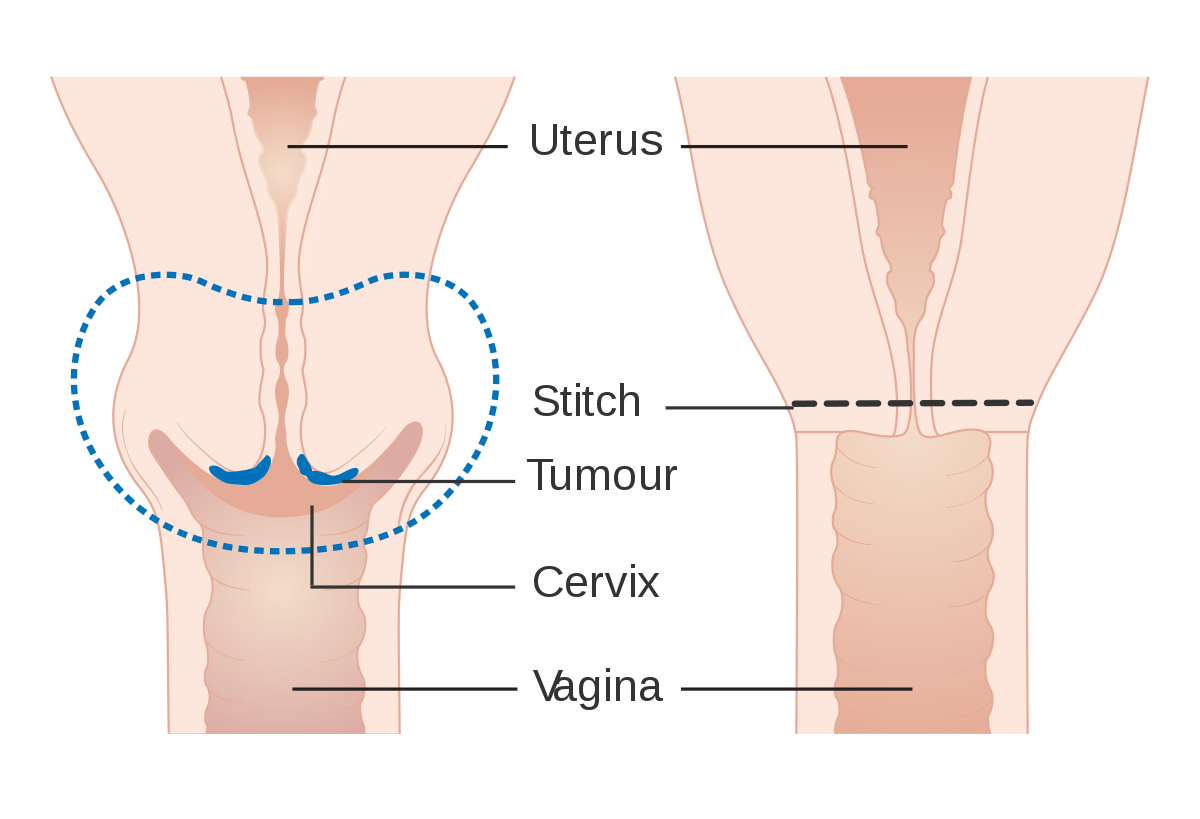 Trachelectomy
-
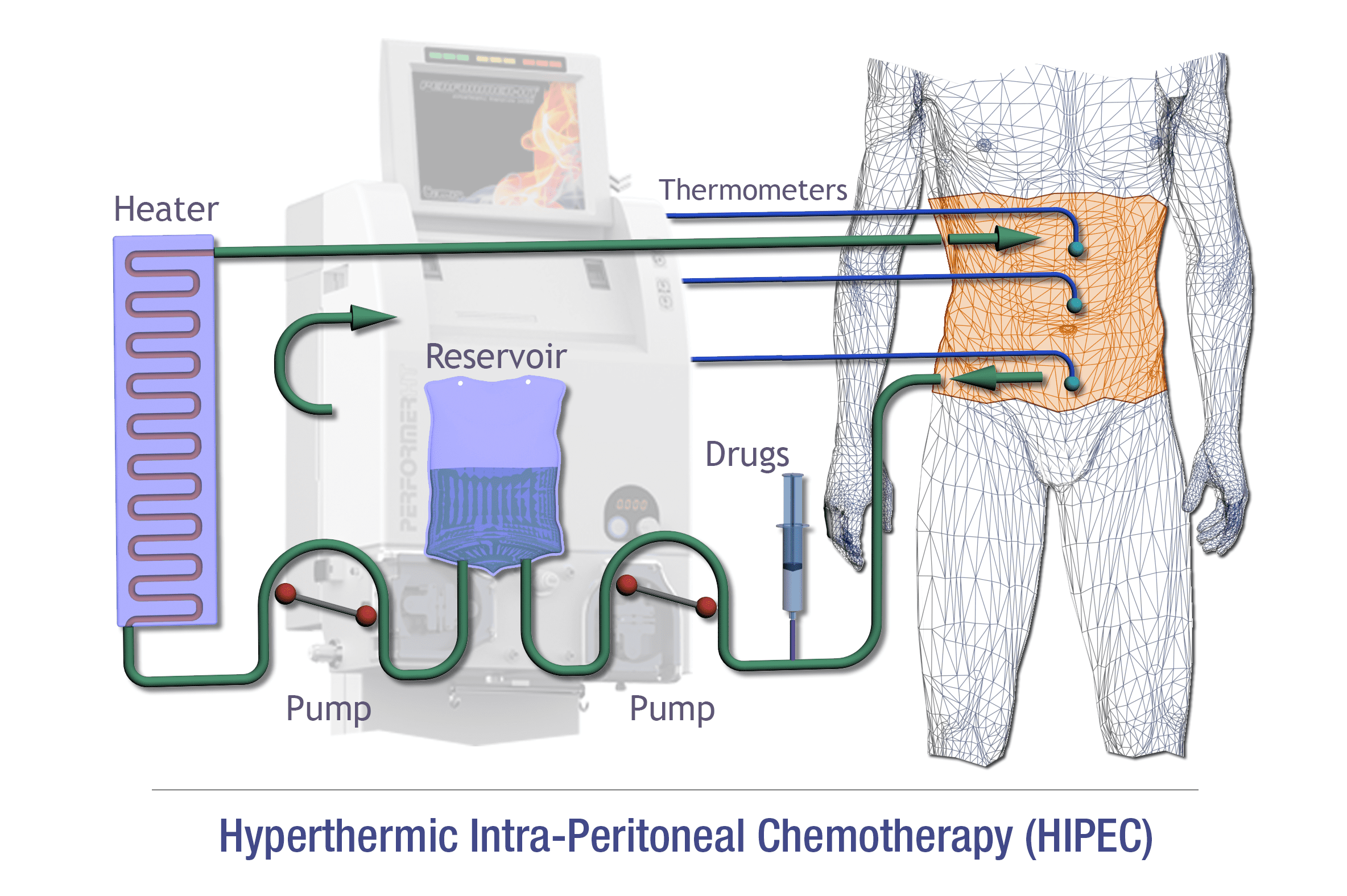 HIPEC ( Hyperthermic intraperitoneal chemotherapy)
-
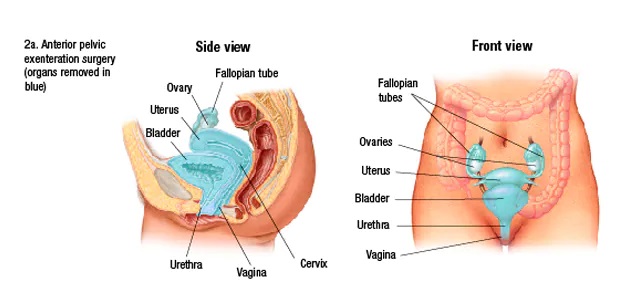 Exenteration
-
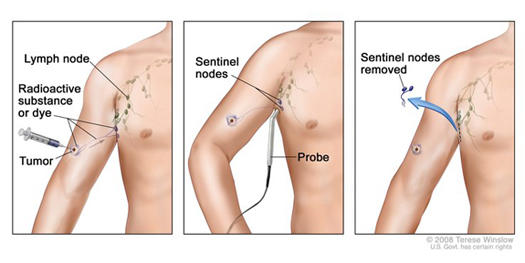 Sentinel lymphnode biopsy
-
 Laparoscopy
-
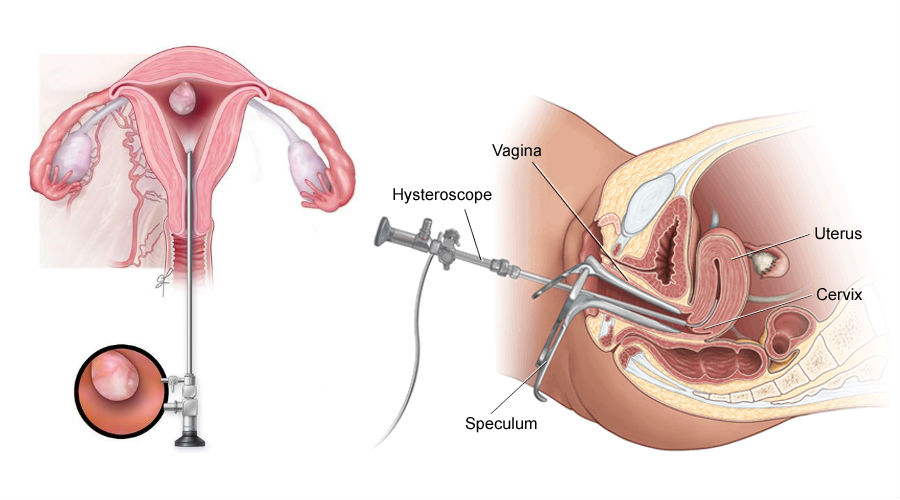 Hysteroscopy
-
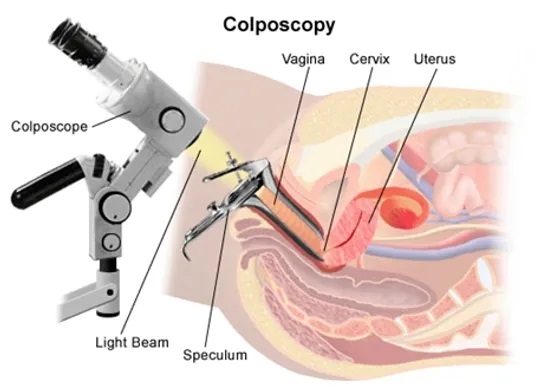 Colposcopy
-
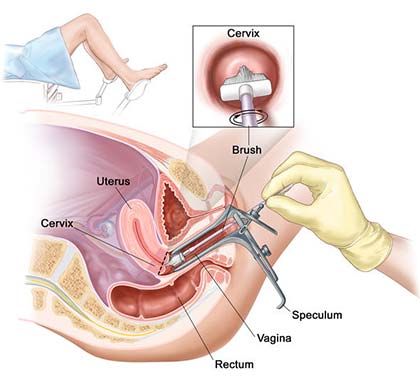 Cervical biopsy
-
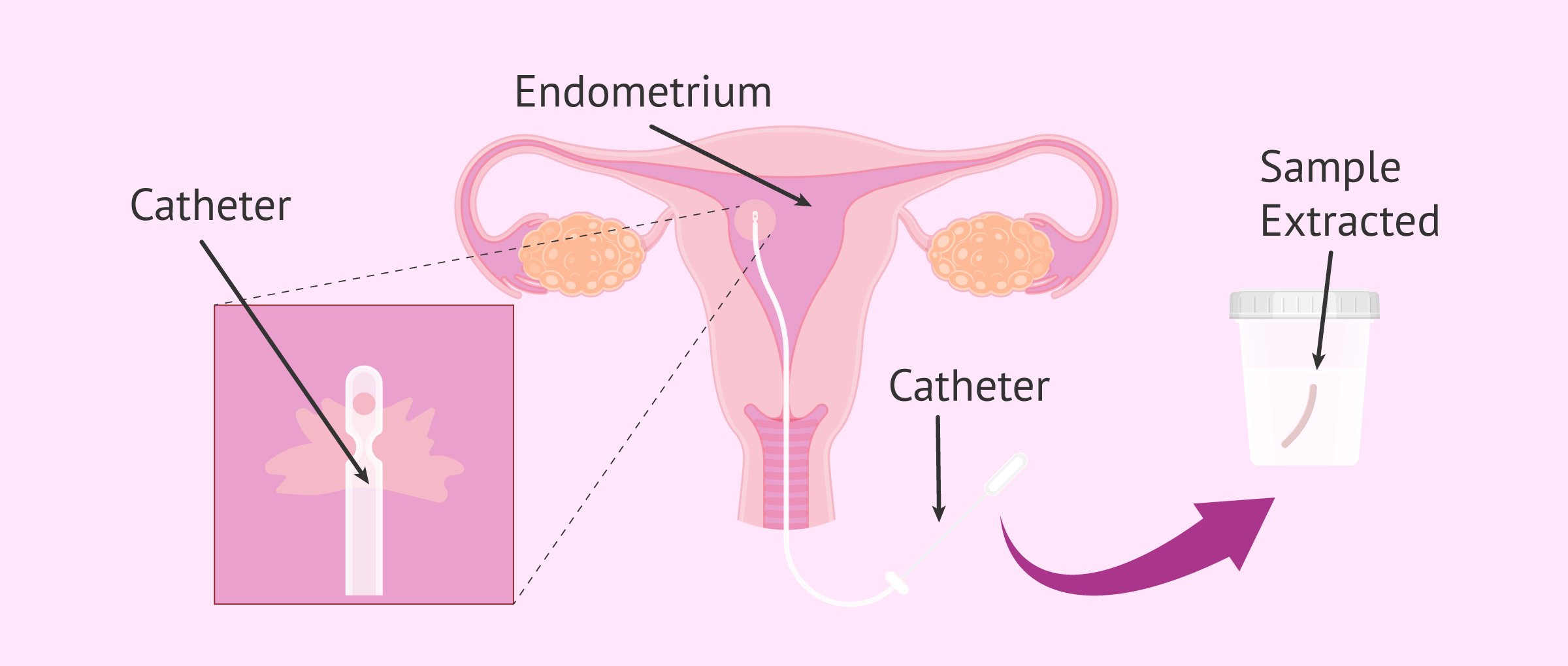 Endometrial biopsy
-
 Vulval biopsy