Thermoablation
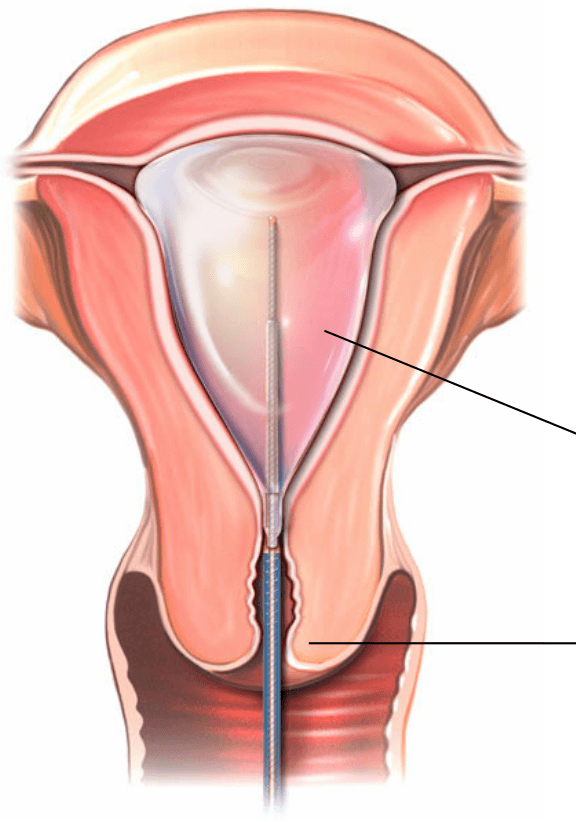
Thermoablation is a medical procedure that uses heat to destroy abnormal tissue in the body, such as cancerous or precancerous cells. The heat is delivered using various methods, such as radiofrequency ablation, laser ablation, microwave ablation, and high-intensity focused ultrasound (HIFU).
Radiofrequency ablation uses an electrode that emits a high-frequency current to create heat, while laser ablation uses a focused laser beam. Microwave ablation uses microwave energy to create heat, and HIFU uses focused ultrasound waves to generate heat.
Thermoablation is often used to treat various types of cancer, including liver cancer, lung cancer, and kidney cancer. It is also used to treat non-cancerous conditions, such as uterine fibroids.
The benefits of thermoablation include its minimally invasive nature, which means that it can be performed with only a small incision or through the skin using a needle. This results in less pain, scarring, and a shorter recovery time compared to traditional surgery. Thermoablation also has fewer risks of complications and is generally well-tolerated by patients.
However, not all patients with cancer are suitable candidates for thermoablation, and it may not be effective for all types of cancer. Patients should discuss the potential benefits and risks of thermoablation with their healthcare provider to determine if it is the right treatment option for them.
All Treatments
-
 Preventive Oncology- LEEP ( Loop electrosurgical excision procedure)
-
Thermoablation
-
 Cone Biopsy in Kolkata: Procedure, Diagnosis, and Cervical Cancer Treatment
-
 Oncology
-
 Staging laparotomy -Pelvic lymphadenectomy
-
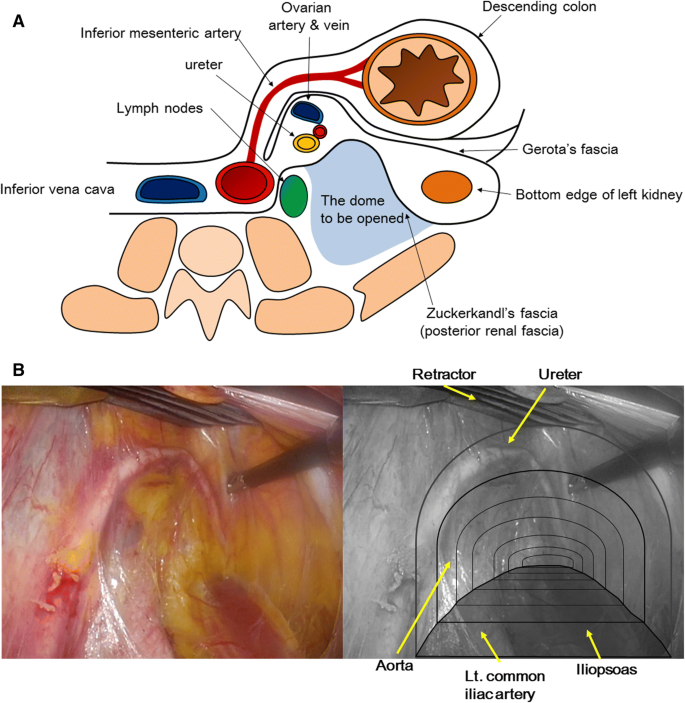 Paraaortic lymphadenectomy
-
 Omentectomy
-
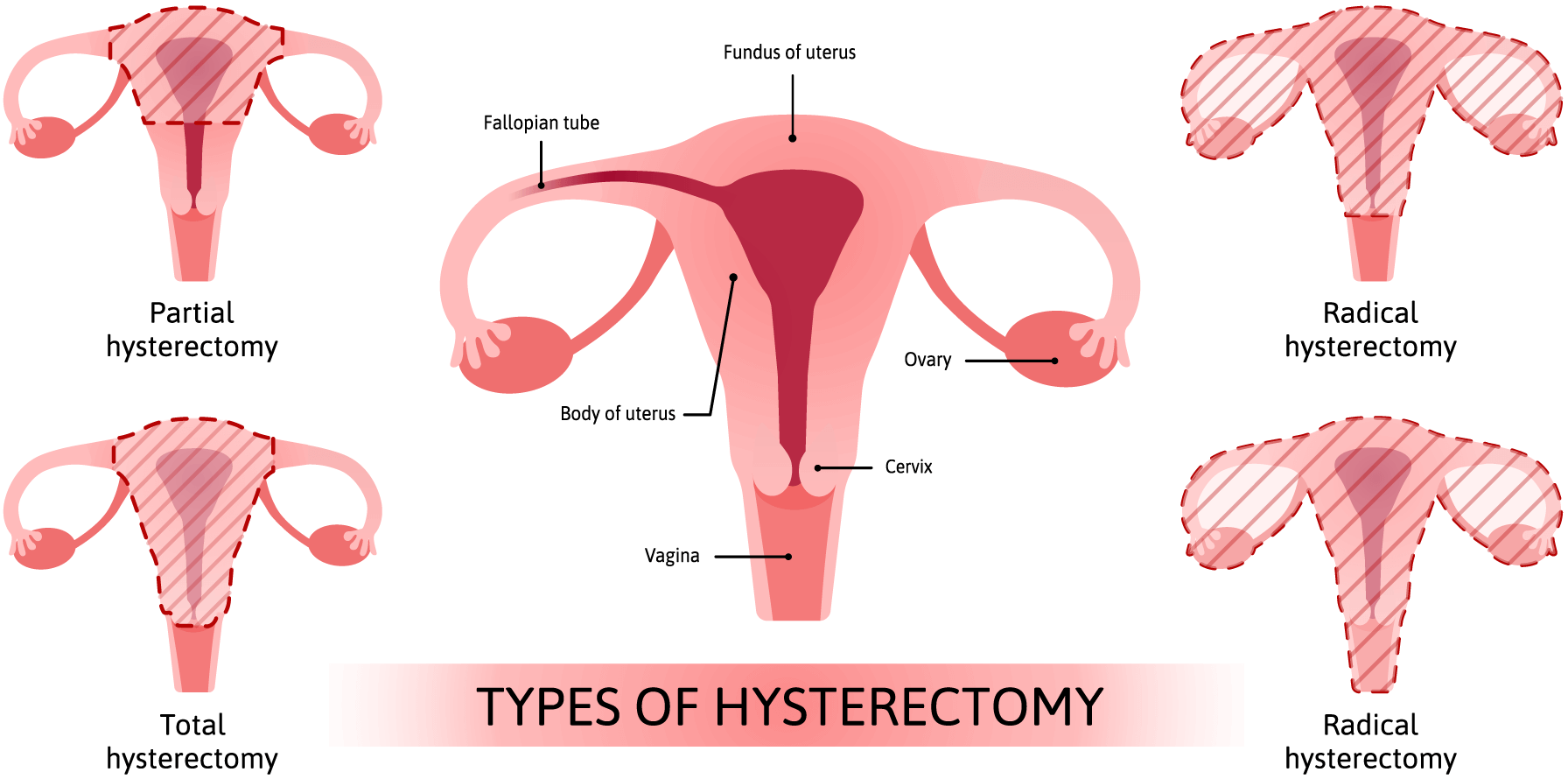 Radical hysterectomy
-
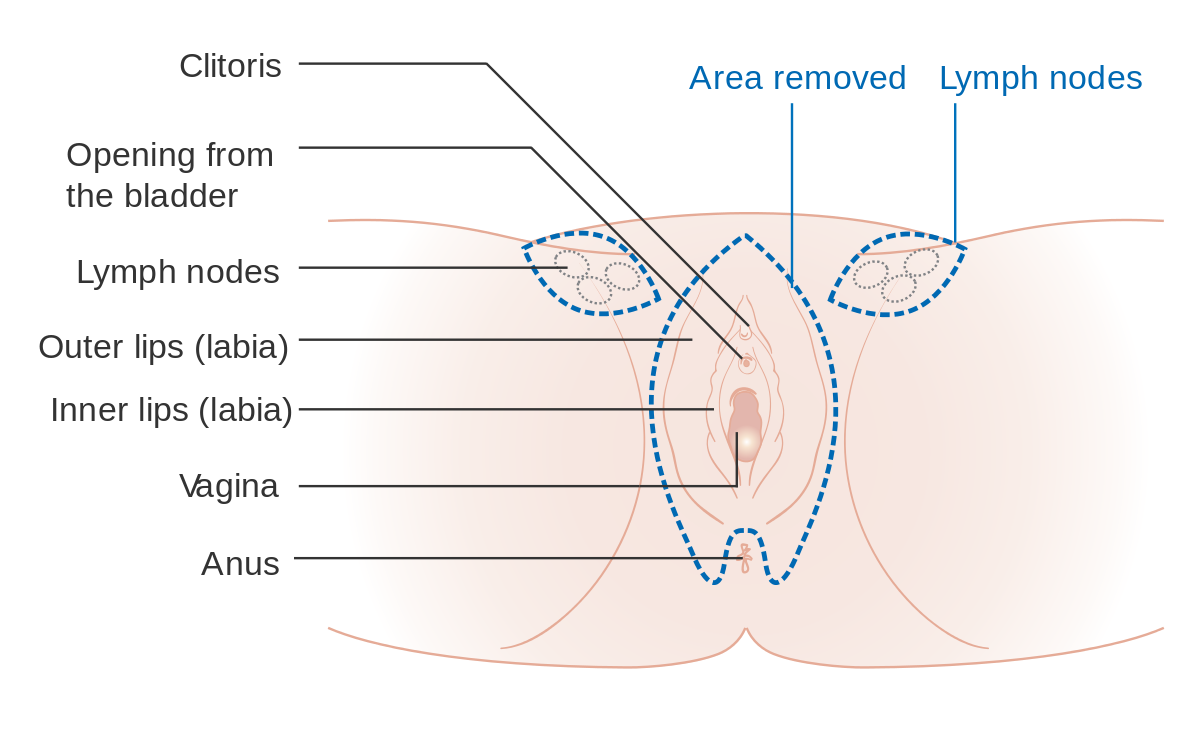 Radical vulvectomy
-
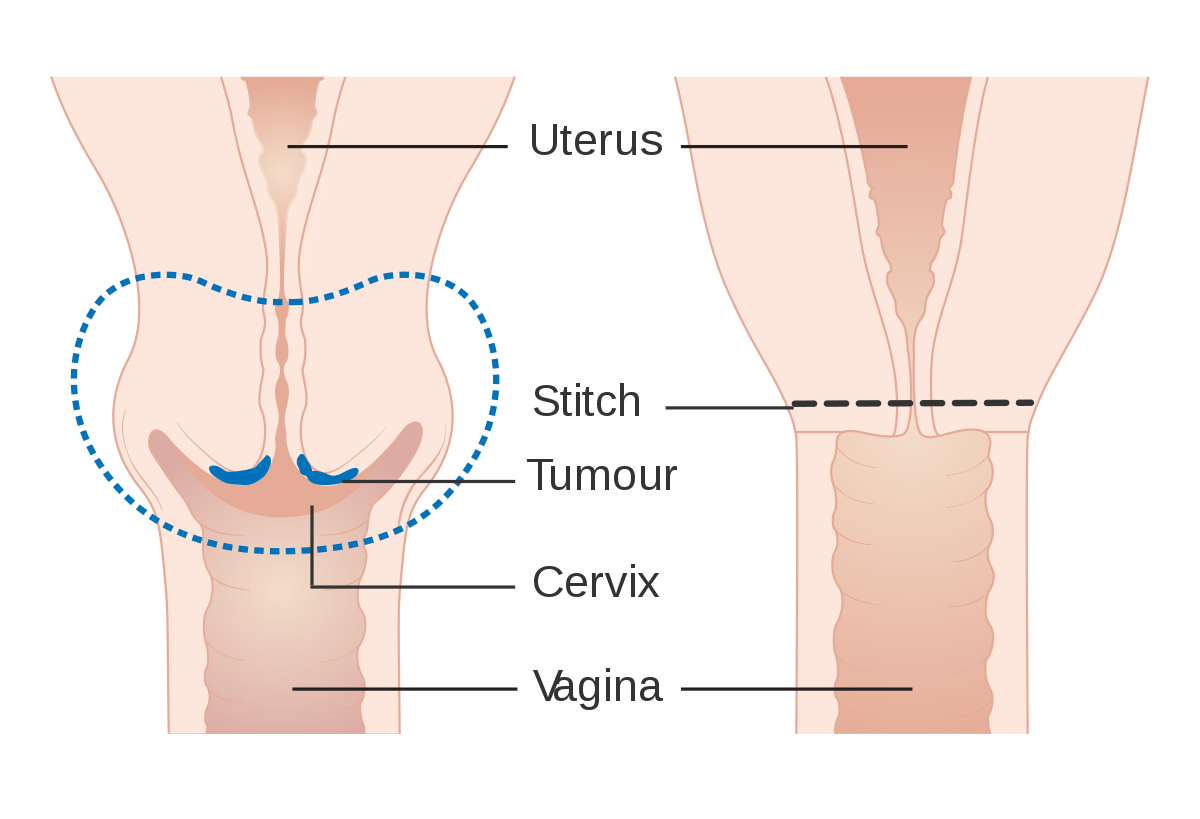 Trachelectomy
-
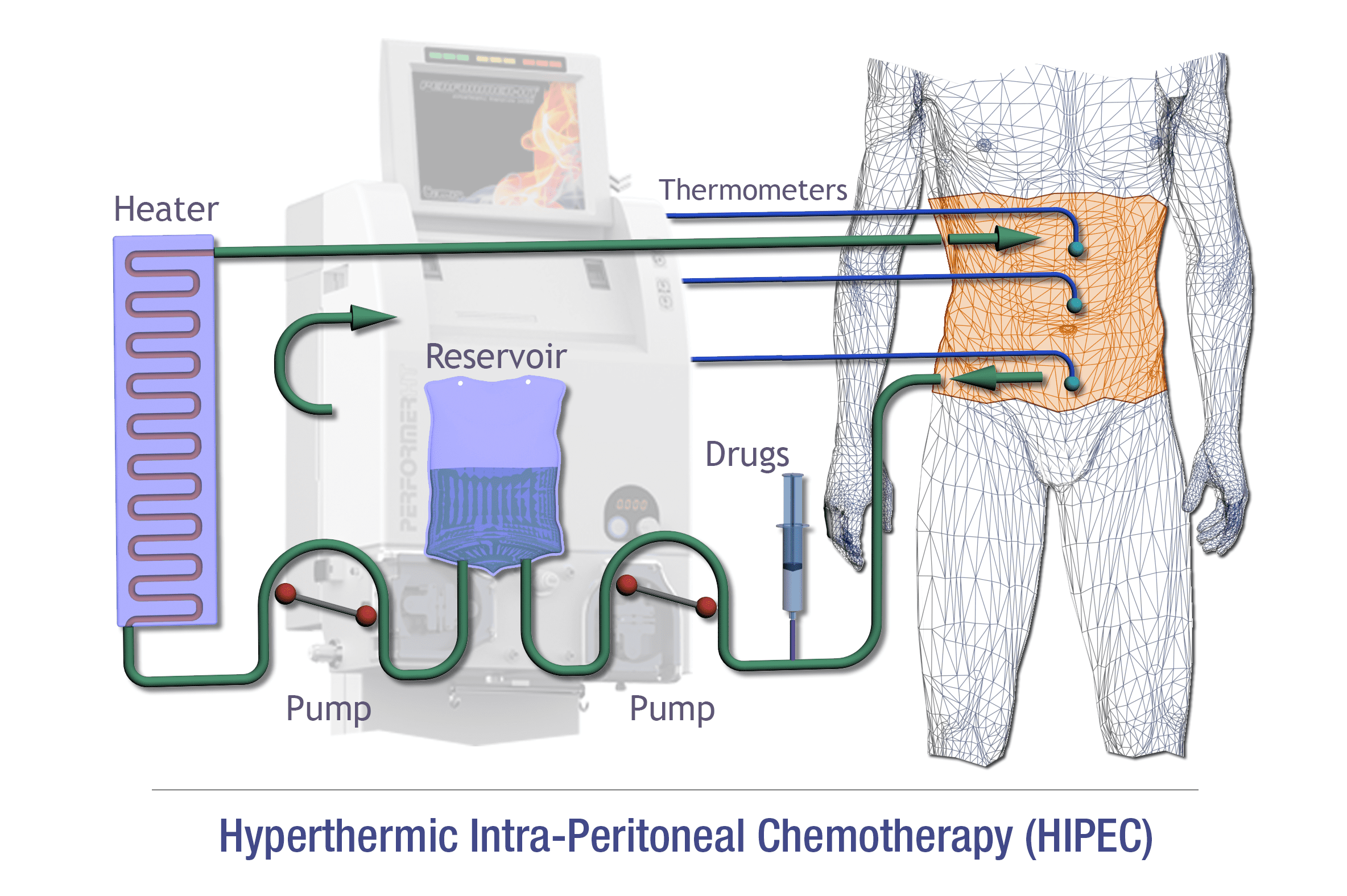 HIPEC ( Hyperthermic intraperitoneal chemotherapy)
-
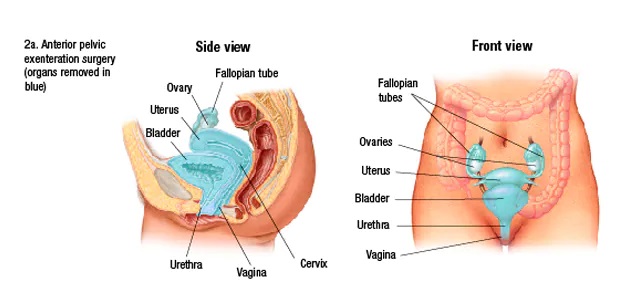 Exenteration
-
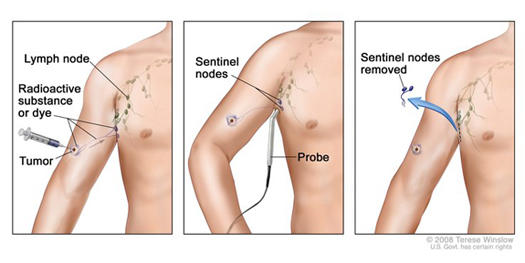 Sentinel lymphnode biopsy
-
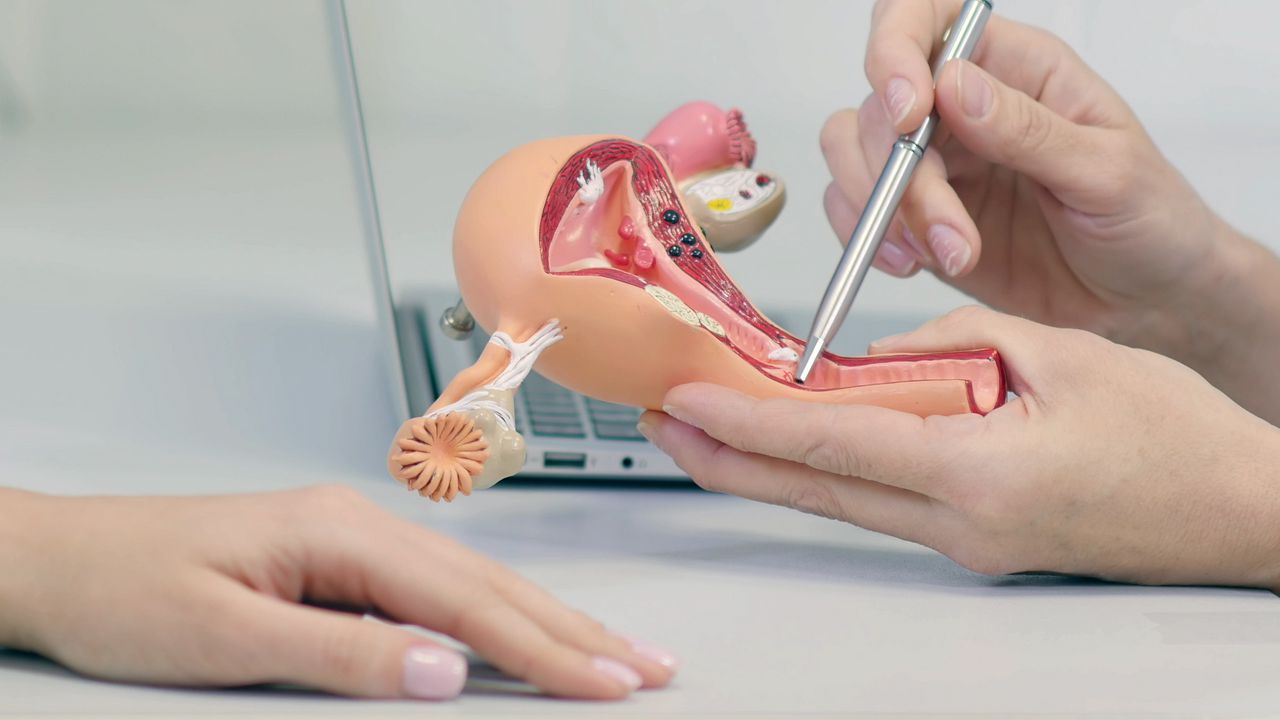 Laparoscopy
-
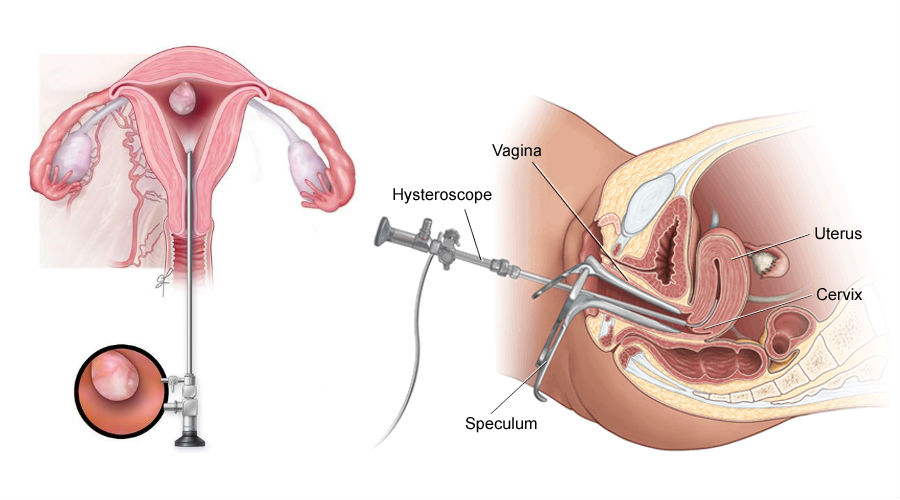 Hysteroscopy
-
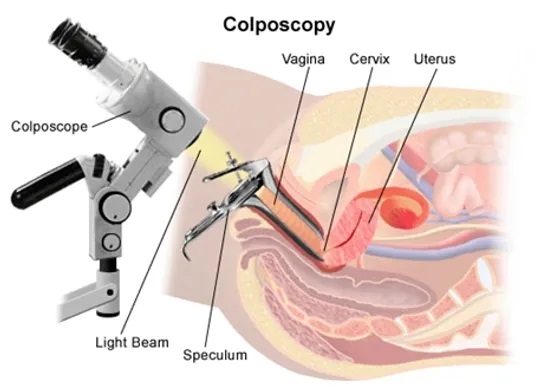 Colposcopy
-
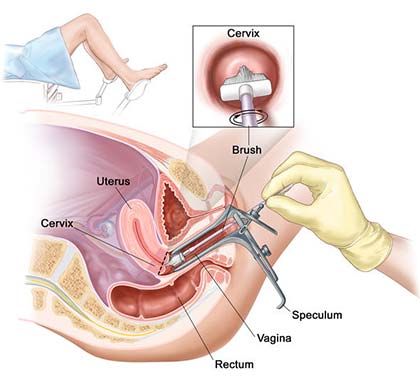 Cervical biopsy
-
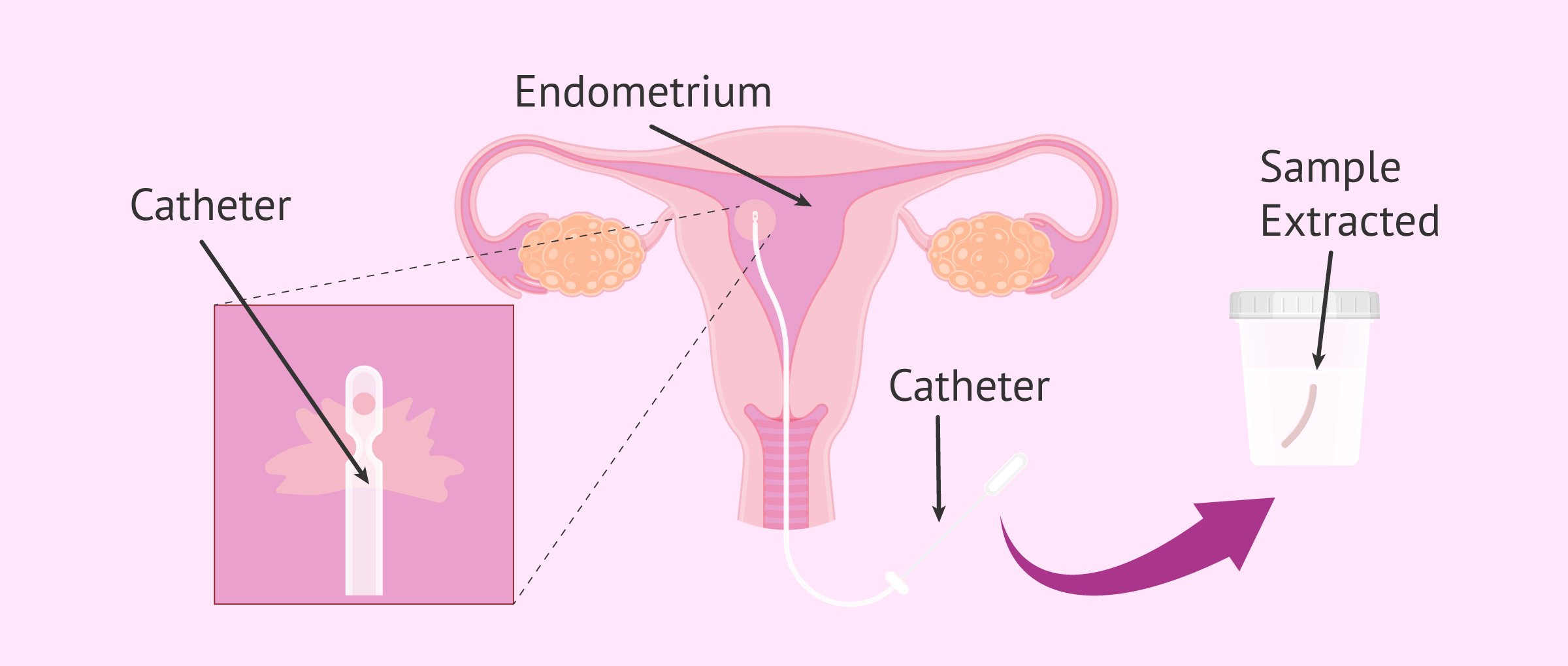 Endometrial biopsy
-
 Vulval biopsy