
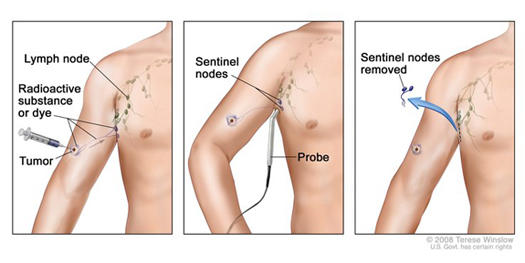
Sentinel lymphnode biopsy
Sentinel lymph node biopsy is a surgical procedure used to determine whether cancer has spread to the lymph nodes near the site of the primary tumor. It is commonly used in the management of breast cancer and melanoma.
The sentinel lymph node is the first lymph node that receives drainage from the area around the tumor. During the procedure, a radioactive tracer or blue dye is injected near the tumor to identify the sentinel lymph node. Once identified, the surgeon removes the sentinel lymph node, and it is sent to a pathologist for examination.
If cancer cells are detected in the sentinel lymph node, it suggests that the cancer has spread to other lymph nodes and may require further treatment, such as removal of additional lymph nodes or radiation therapy. If no cancer cells are found, it suggests that the cancer has not spread beyond the primary tumor, which may spare the patient from more aggressive treatment.
Sentinel lymph node biopsy is a relatively safe and effective procedure, with low risk of complications, such as infection, bleeding, or nerve damage. However, as with any surgical procedure, there is a risk of complications, and the decision to undergo sentinel lymph node biopsy should be made in consultation with an experienced surgeon and oncologist.
All Treatments
-
 Preventive Oncology- LEEP ( Loop electrosurgical excision procedure)
-
 Thermoablation
-
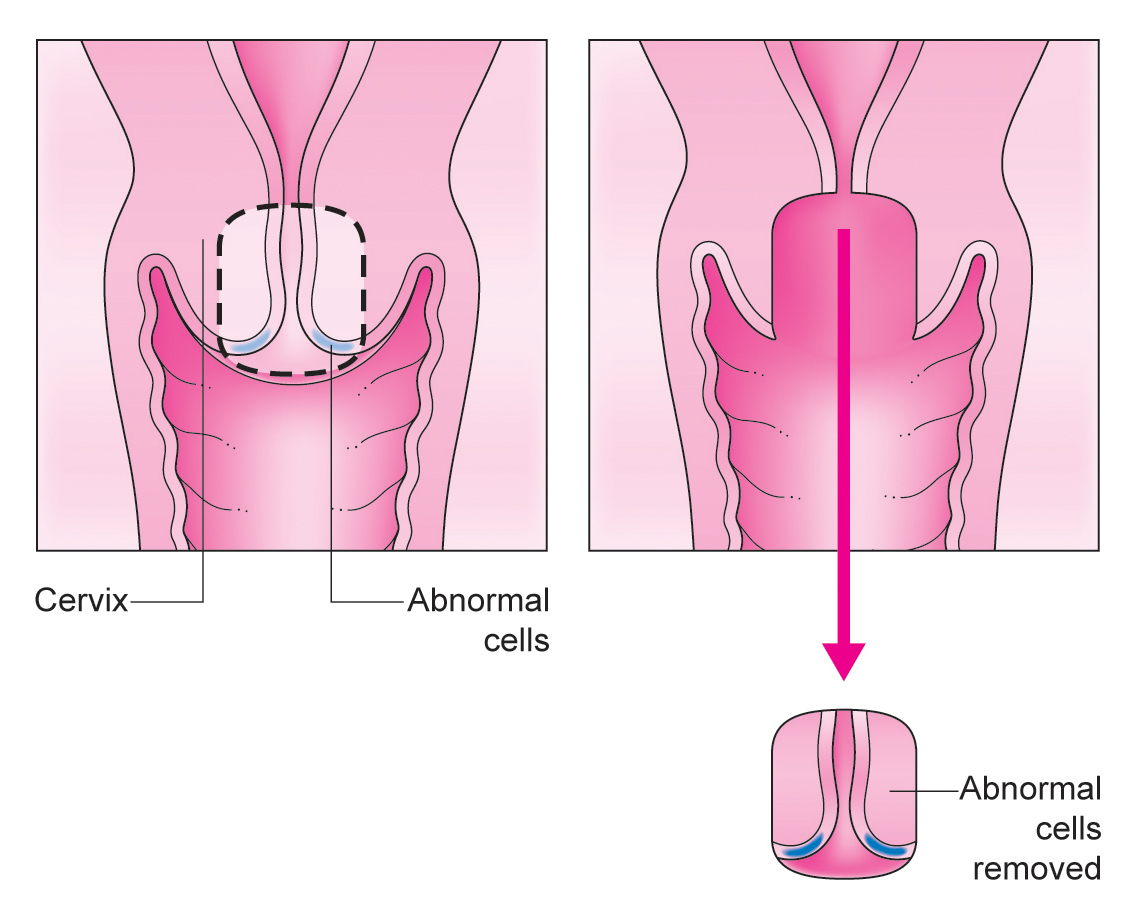 Cone Biopsy in Kolkata: Procedure, Diagnosis, and Cervical Cancer Treatment
-
 Oncology
-
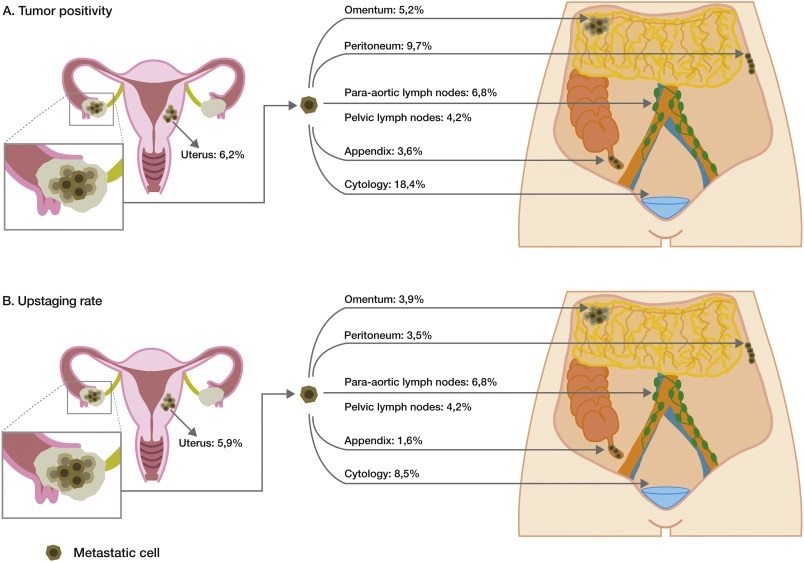 Staging laparotomy -Pelvic lymphadenectomy
-
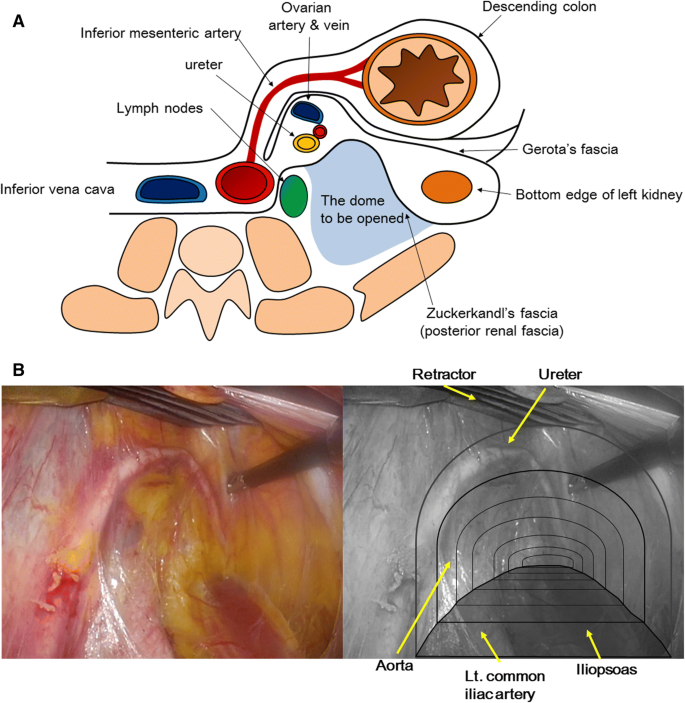 Paraaortic lymphadenectomy
-
 Omentectomy
-
 Radical hysterectomy
-
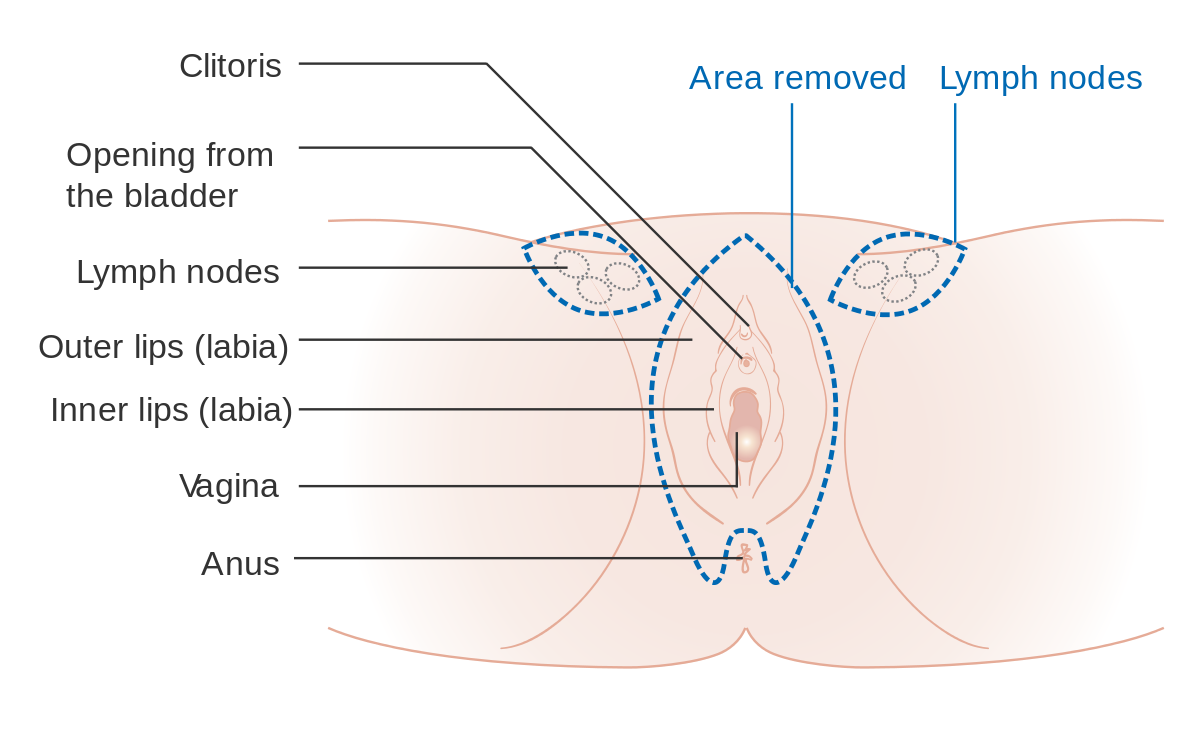 Radical vulvectomy
-
 Trachelectomy
-
 HIPEC ( Hyperthermic intraperitoneal chemotherapy)
-
 Exenteration
-
Sentinel lymphnode biopsy
-
 Laparoscopy
-
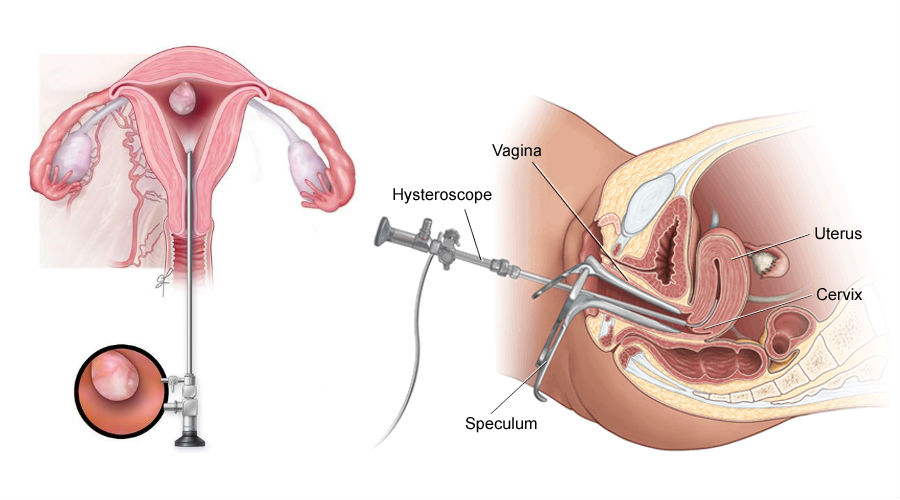 Hysteroscopy
-
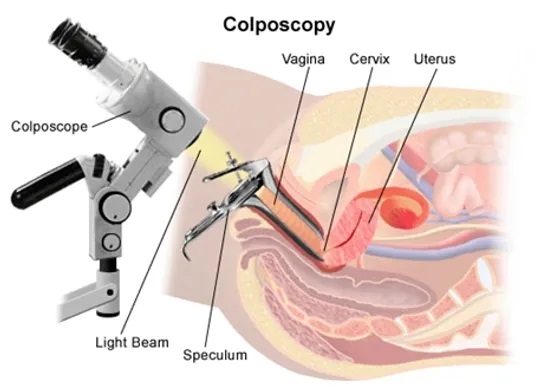 Colposcopy
-
 Cervical biopsy
-
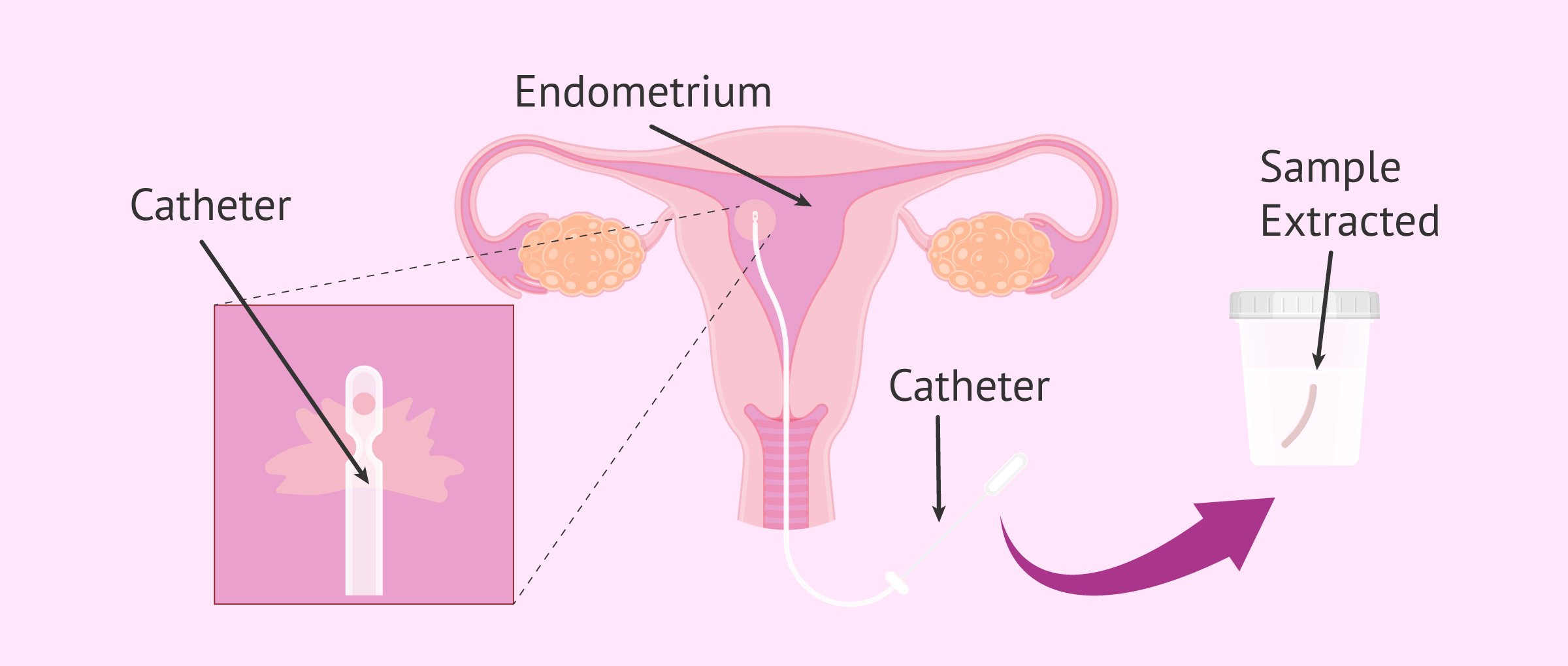 Endometrial biopsy
-
 Vulval biopsy