
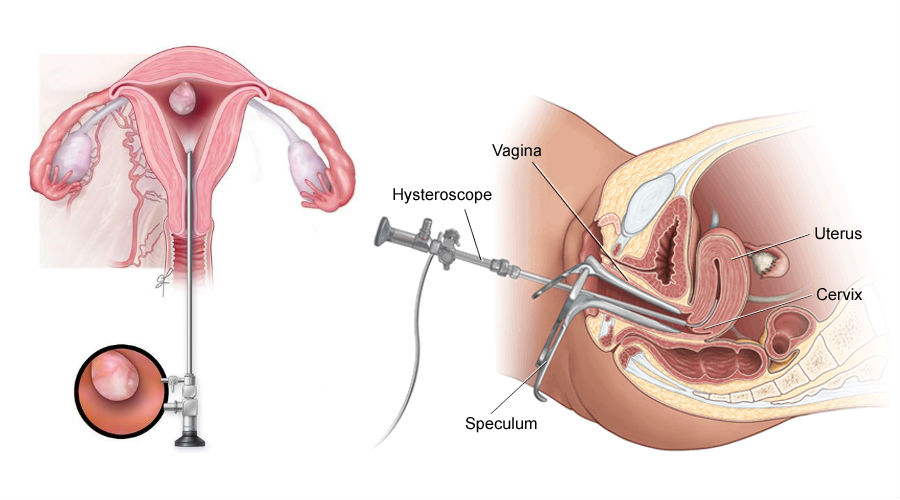
Hysteroscopy
Hysteroscopy is a minimally invasive diagnostic or surgical procedure used to examine the inside of the uterus. It is commonly used to diagnose and treat conditions such as abnormal uterine bleeding, uterine fibroids, polyps, and other abnormalities of the uterus.
During a hysteroscopy, a small camera called a hysteroscope is inserted through the vagina and cervix and into the uterus. The hysteroscope allows the doctor to see the inside of the uterus and to identify any abnormalities or lesions that may be present. If necessary, the doctor can use specialized instruments inserted through the hysteroscope to remove tissue samples or perform minor surgical procedures.
Hysteroscopy is usually performed under local anesthesia or light sedation and is typically an outpatient procedure, meaning the patient can go home the same day. Recovery time is generally minimal, and most women can return to normal activities within a day or two.
Complications from hysteroscopy are rare but can include bleeding, infection, and perforation of the uterus. Women who are pregnant or have certain medical conditions may not be eligible for hysteroscopy. The decision to undergo hysteroscopy should be made in consultation with an experienced healthcare provider.
All Treatments
-
 Preventive Oncology- LEEP ( Loop electrosurgical excision procedure)
-
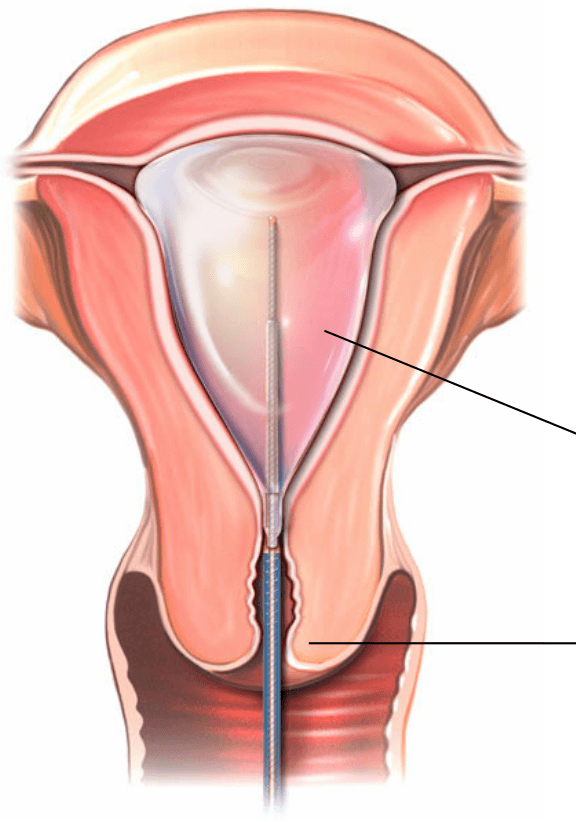 Thermoablation
-
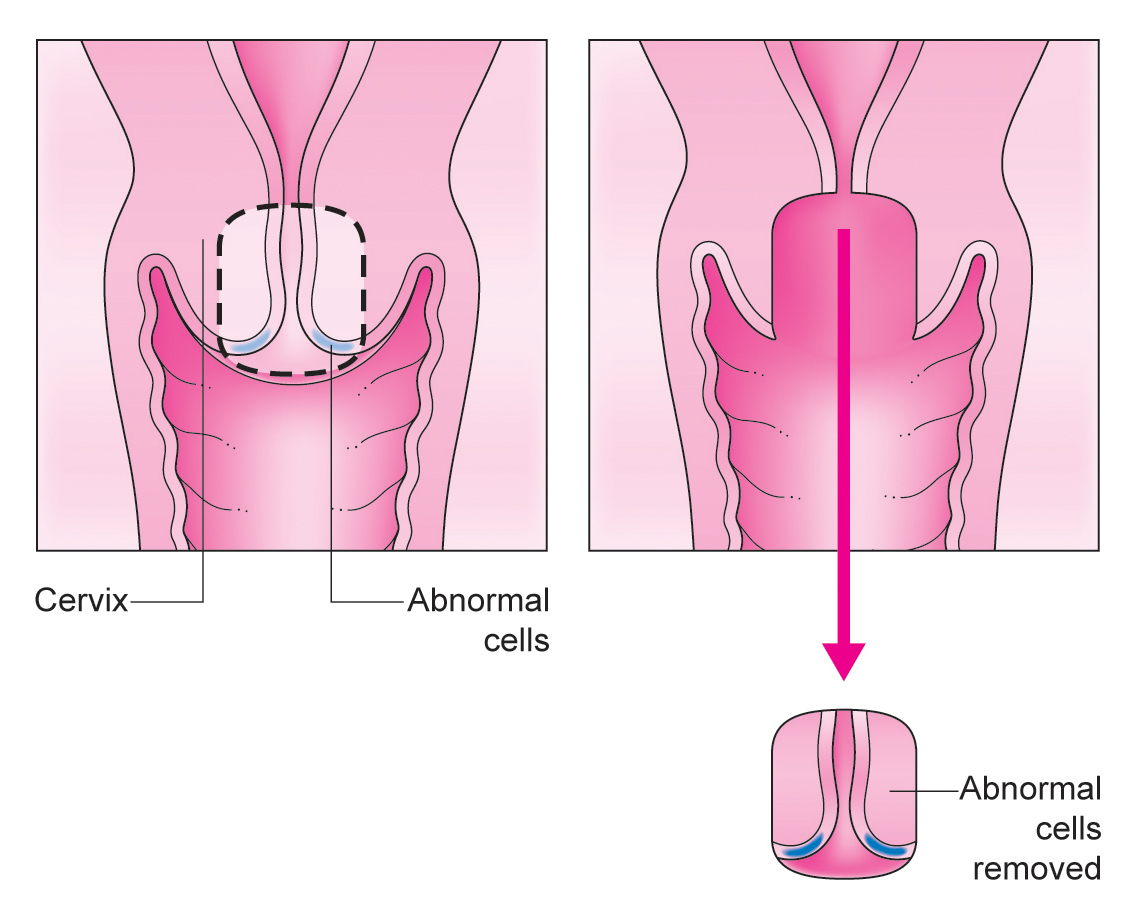 Cone Biopsy in Kolkata: Procedure, Diagnosis, and Cervical Cancer Treatment
-
 Oncology
-
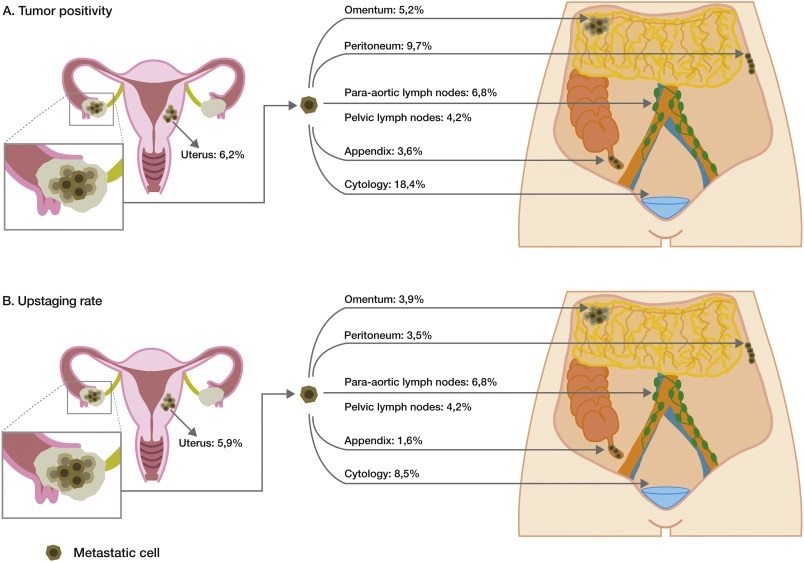 Staging laparotomy -Pelvic lymphadenectomy
-
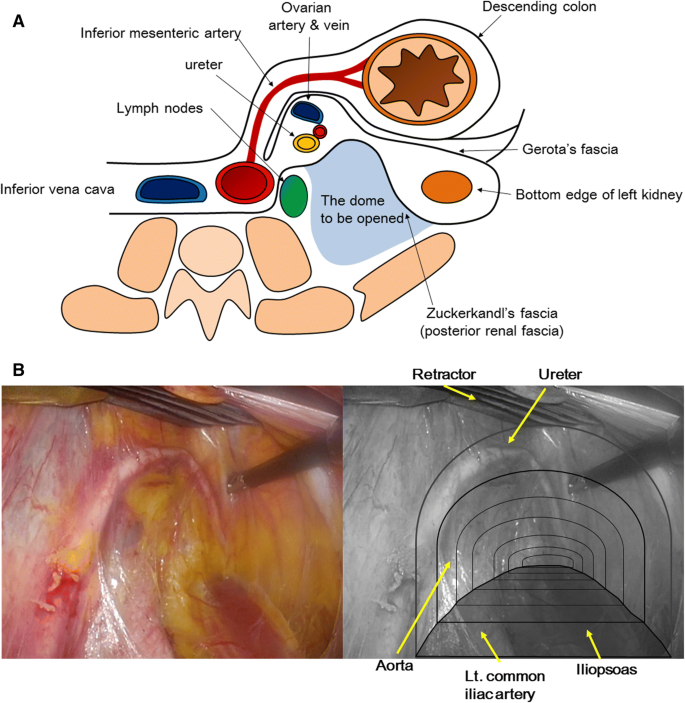 Paraaortic lymphadenectomy
-
 Omentectomy
-
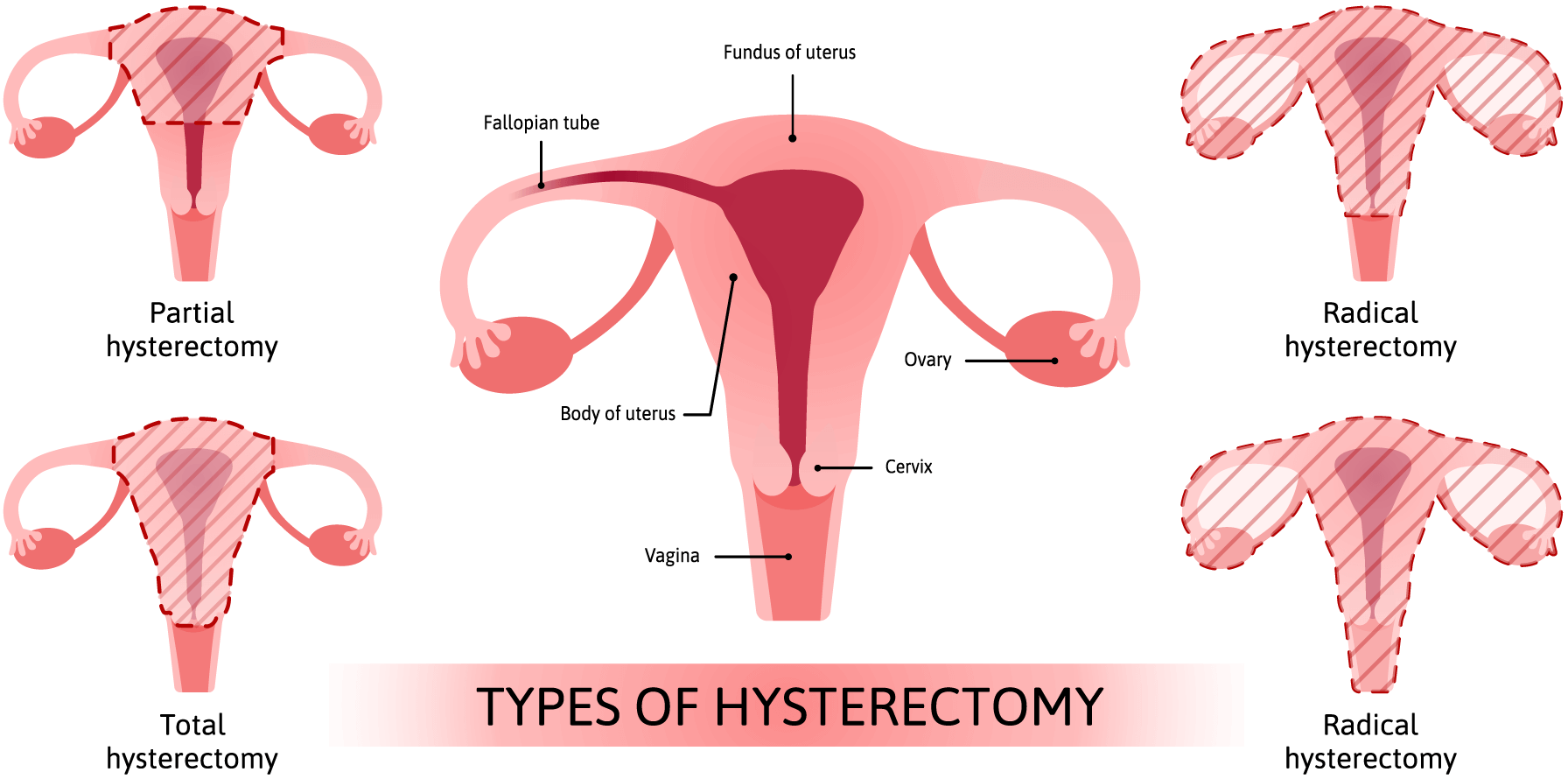 Radical hysterectomy
-
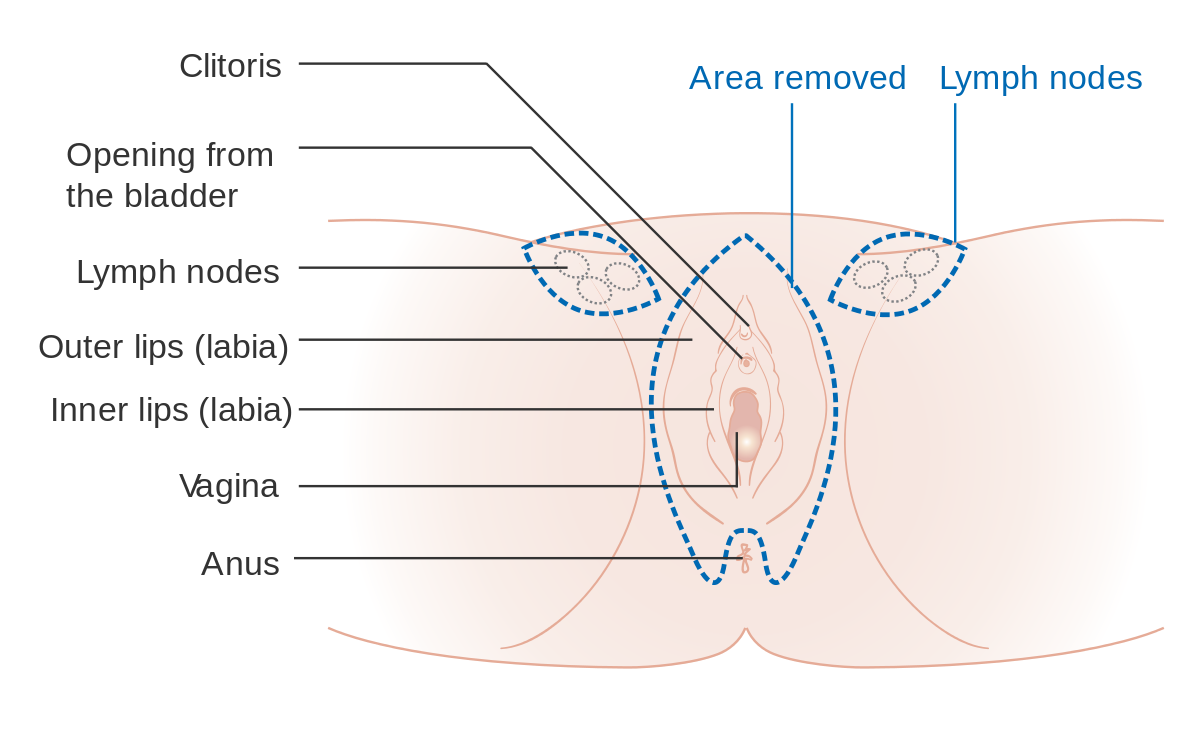 Radical vulvectomy
-
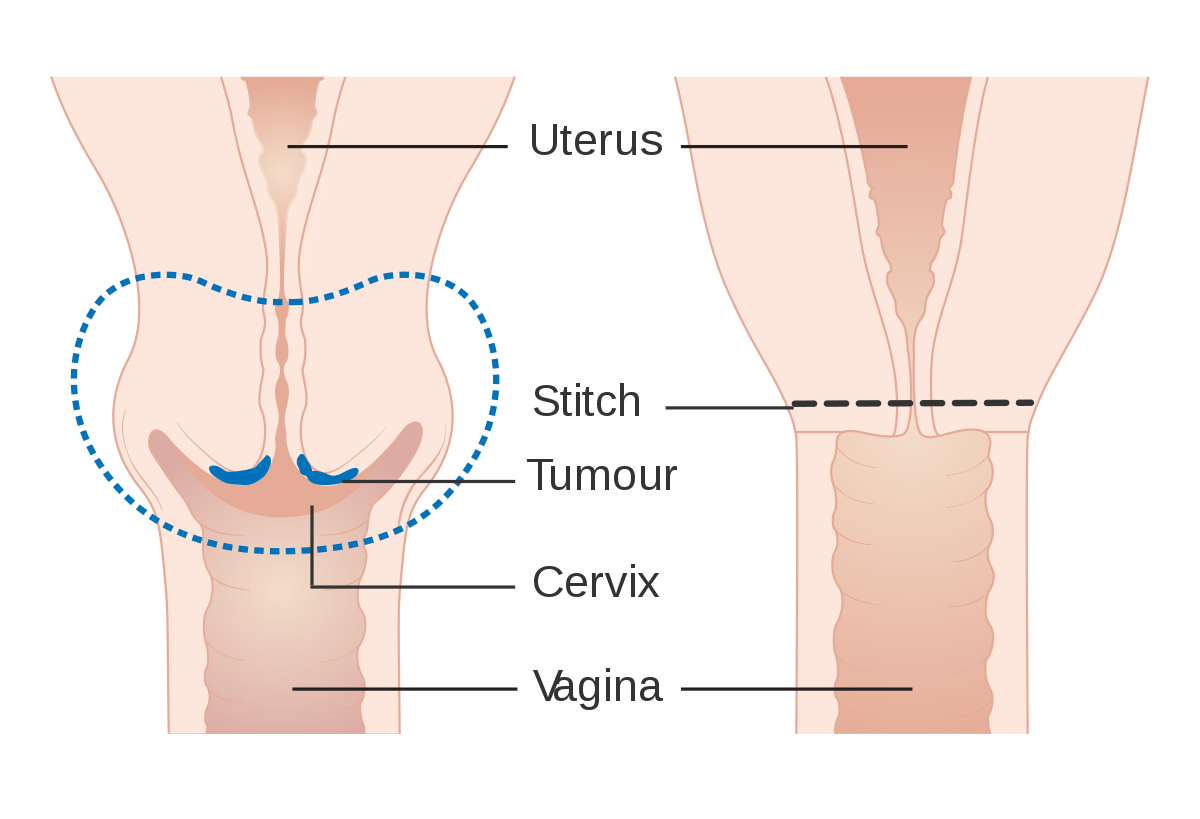 Trachelectomy
-
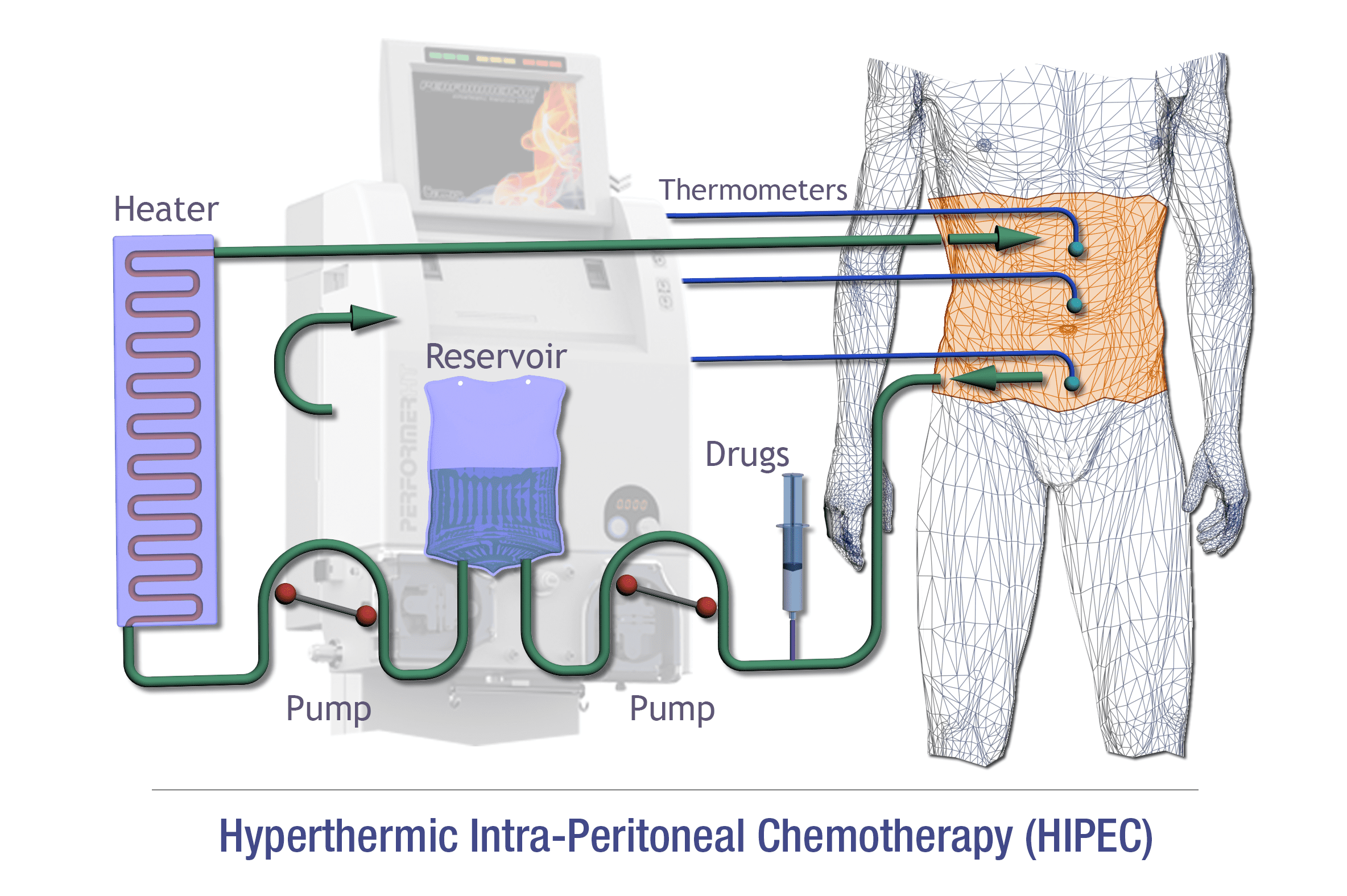 HIPEC ( Hyperthermic intraperitoneal chemotherapy)
-
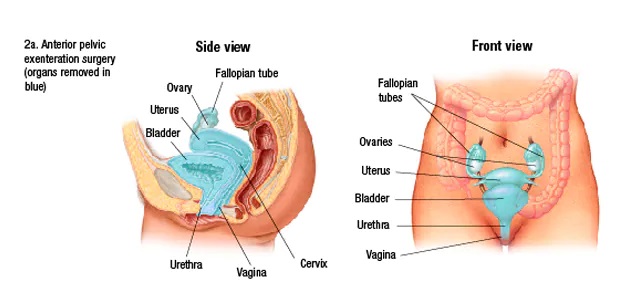 Exenteration
-
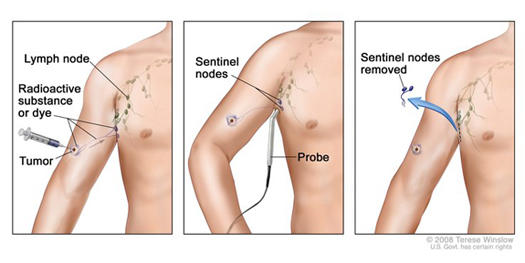 Sentinel lymphnode biopsy
-
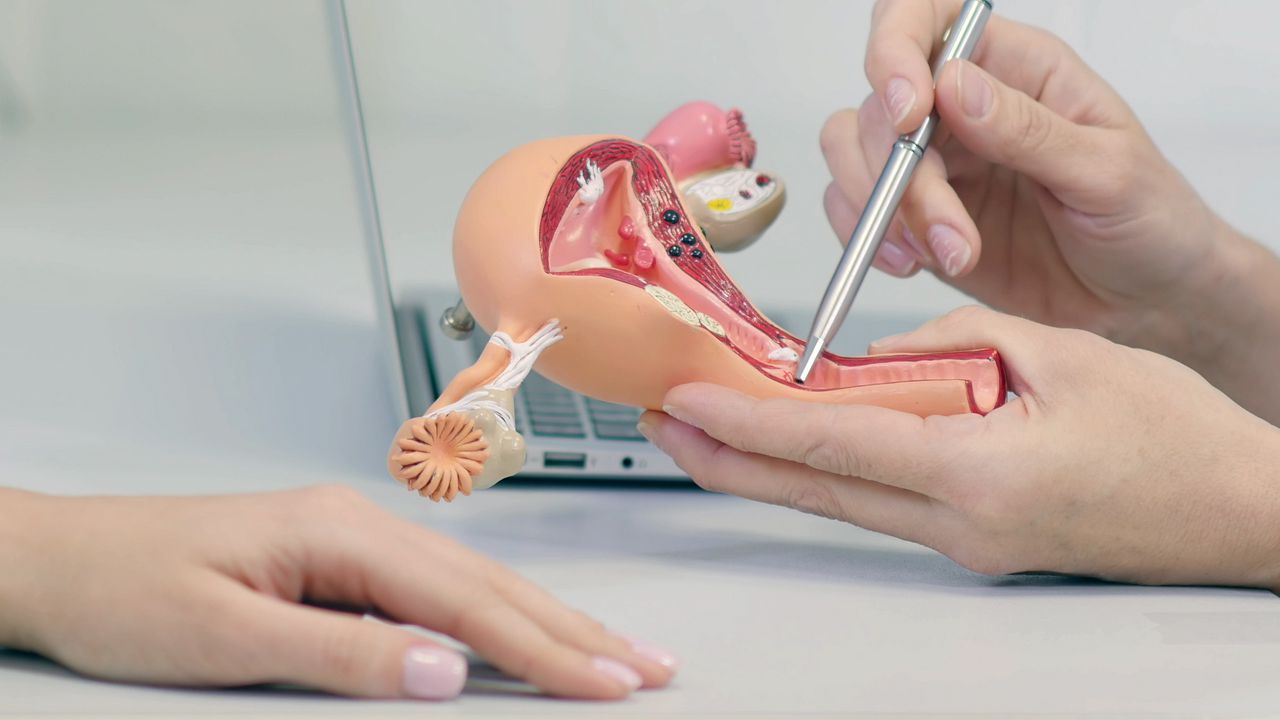 Laparoscopy
-
Hysteroscopy
-
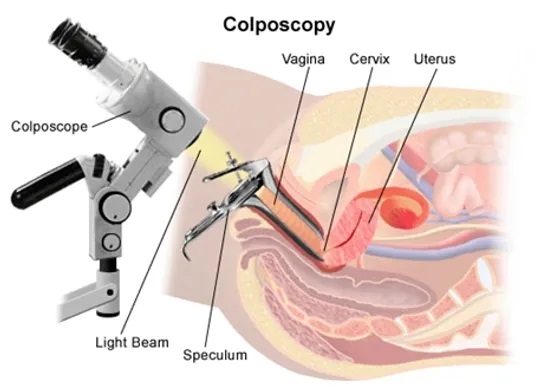 Colposcopy
-
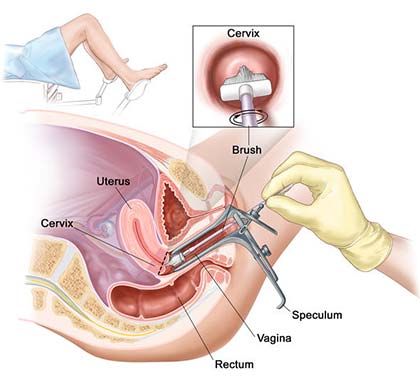 Cervical biopsy
-
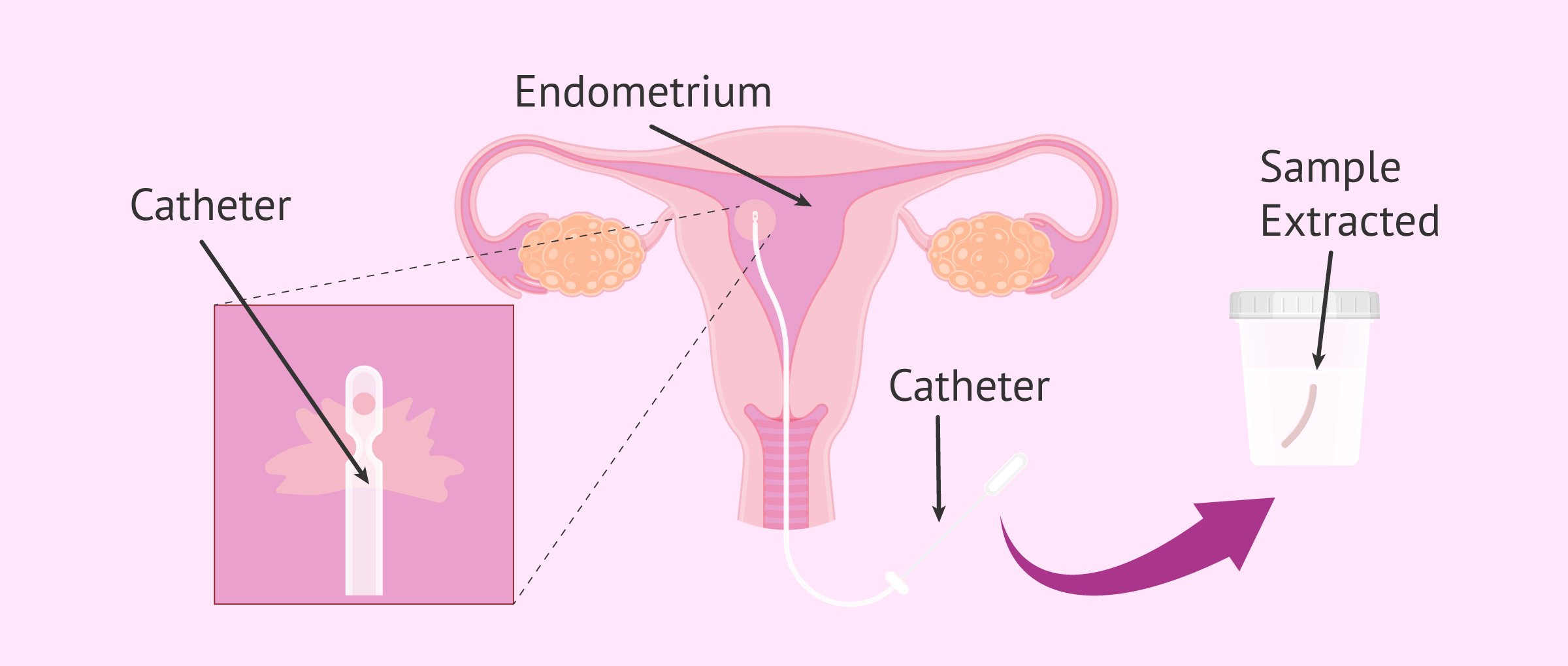 Endometrial biopsy
-
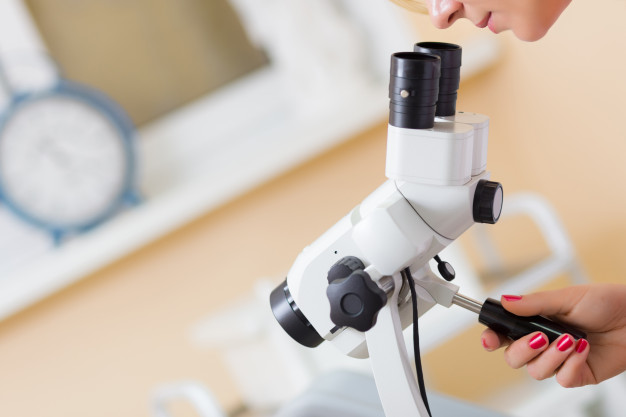 Vulval biopsy