
Pain During Intercourse in Women: When It Could Be a Serious Health Concern | Dr. Amit Mandal Kolkata
Posted on: May 20, 2026
Pain During Intercourse in Women: When It Could Be a Serious Health Concern – A Doctors Perspective by Dr. Amit Mandal
Pain during intercourse is a sensitive topic that many women hesitate to discuss openly. In my clinical practice, I often meet patients who have silently tolerated discomfort for months or even years because they felt embarrassed or assumed it was normal.
While occasional discomfort may happen due to temporary reasons, persistent pain during intercourse should never be ignored. In some cases, it may indicate infections, hormonal changes, pelvic disorders, or even more serious gynecological conditions.
Understanding the cause early can help prevent complications and improve overall quality of life.
Understanding pain during intercourse
Medical professionals refer to painful intercourse as dyspareunia. The pain may occur before, during, or after intercourse and can vary in intensity.
Women describe it in different ways:
- Burning sensation
- Sharp or stabbing pain
- Deep pelvic discomfort
- Dryness-related irritation
- Pain associated with bleeding
The type and location of pain often help identify the underlying cause.
Common causes that are usually treatable
Many cases are related to conditions that can be managed effectively with proper treatment.
- Vaginal infections
- Hormonal changes after menopause
- Vaginal dryness
- Pelvic inflammatory disease
- Endometriosis
These conditions are common and often improve significantly after proper diagnosis and care.
When pain may indicate something more serious
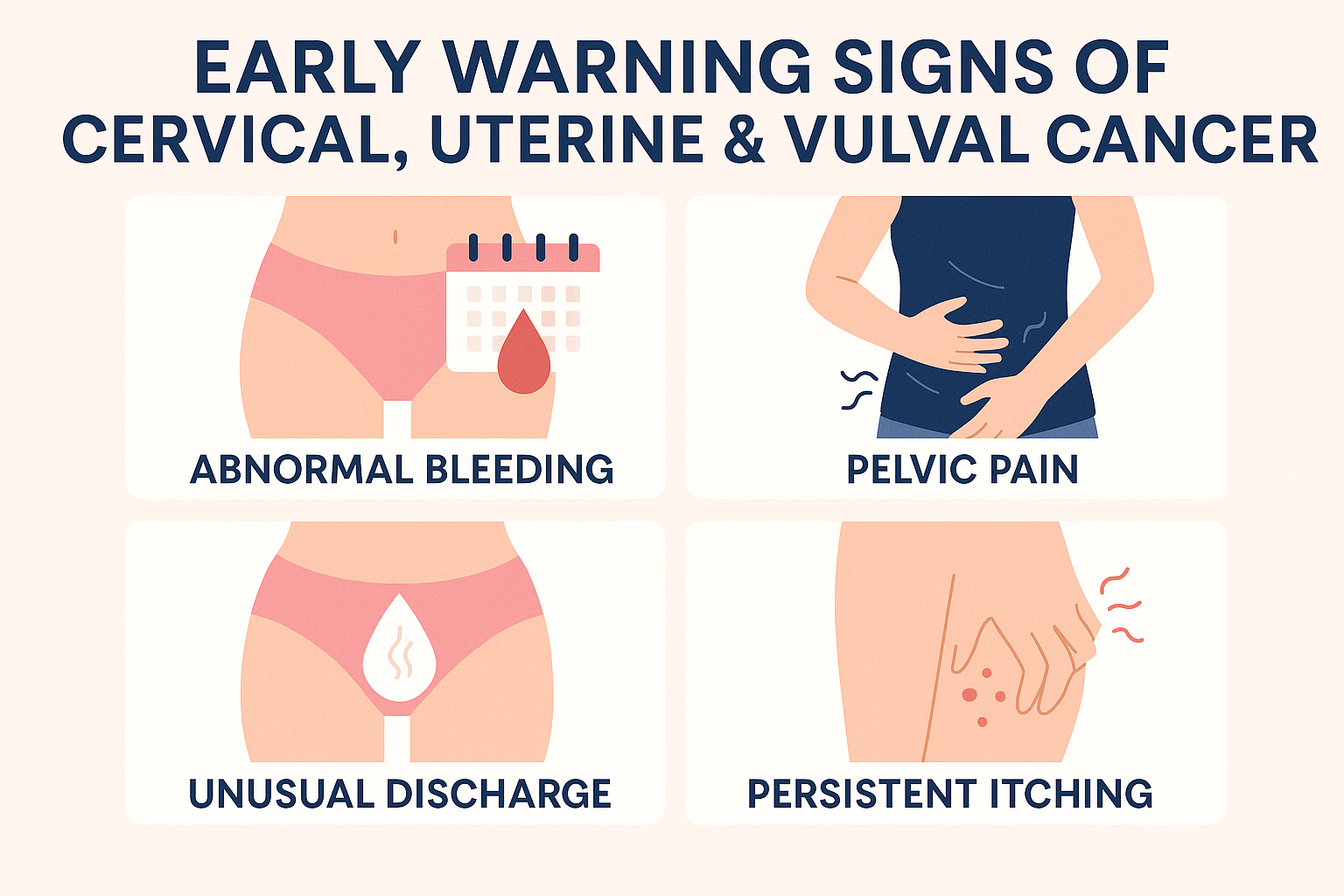
Persistent pain during intercourse should be evaluated carefully if it is associated with other symptoms such as:
- Irregular bleeding
- Persistent white discharge
- Pelvic pain
- Bleeding after intercourse
- Unexplained fatigue or weight loss
In some women, these symptoms may be linked to cervical abnormalities, uterine conditions, or gynecological cancers.
If you are experiencing irregular bleeding, read our detailed guide on irregular bleeding after 40 and cancer risk.
Women experiencing unusual discharge may also benefit from reading white discharge in women and when it could be serious.
A clinical observation from practice
I remember a patient who initially believed her pain was simply due to stress and hormonal changes. She delayed consultation for several months because the symptoms were mild in the beginning.
When the symptoms became more persistent and were associated with bleeding, further evaluation revealed cervical abnormalities requiring treatment.
Fortunately, the condition was detected early enough for effective management.
This highlights the importance of not normalizing persistent symptoms.
Lower abdominal discomfort is another symptom that may occur alongside painful intercourse. You may also want to read our guide on lower abdominal pain in women and when to worry.
Who is at higher risk?
- Women above 40
- Postmenopausal women
- Patients with recurrent infections
- Women with untreated pelvic conditions
- Those with a history of gynecological abnormalities
Women with these risk factors should avoid delaying medical consultation.
How doctors diagnose the cause
Diagnosis requires careful evaluation rather than assumptions.
- Detailed medical history
- Pelvic examination
- Laboratory testing for infections
- Ultrasound imaging
- Pap smear or biopsy if required
These investigations help identify whether the pain is due to infection, hormonal changes, or a more serious gynecological condition.
Why early diagnosis matters
One of the most important things I explain to patients is that early diagnosis often simplifies treatment.
When conditions are identified early:
- Treatment becomes more effective
- Symptoms improve faster
- Complications can be prevented
- Recovery outcomes are better
Delaying consultation may allow underlying conditions to progress further.
When you should not ignore symptoms
- Pain lasting for several weeks or months
- Bleeding after intercourse
- Associated pelvic pain or pressure
- Persistent discharge or odor
- Pain affecting emotional well-being or relationships
These situations require proper medical evaluation.
Who should consider specialist consultation
If symptoms continue despite home remedies or routine treatment, consultation with a specialist such as Dr. Amit Mandal can help ensure proper diagnosis and timely treatment.
Women above 40 or those with associated bleeding should be especially careful about persistent symptoms.
A message for women in Kolkata
Many women continue to suffer silently because they feel uncomfortable discussing intimate health concerns. Unfortunately, this often delays diagnosis and treatment.
Seeking medical advice is not something to feel embarrassed about. Your symptoms deserve attention and proper evaluation.
Common misconceptions about painful intercourse
One misconception is that pain during intercourse is always psychological or stress-related. While emotional factors can contribute, physical causes are also very common.
Another misunderstanding is that mild symptoms can safely be ignored. In reality, persistent mild symptoms may still indicate underlying conditions requiring treatment.
A practical approach women should follow
- Pay attention to persistent pain
- Observe associated symptoms carefully
- Avoid repeated self-medication
- Seek medical advice if symptoms continue
Awareness and timely consultation can significantly improve long-term health outcomes.
Frequently Asked Questions
Is pain during intercourse normal?
Occasional discomfort may happen temporarily, but persistent pain should not be considered normal and requires medical evaluation.
Can infections cause pain during intercourse?
Yes, vaginal infections and pelvic inflammatory conditions are common causes of painful intercourse.
Can cervical cancer cause pain during intercourse?
In some cases, cervical abnormalities or cervical cancer may cause pain, especially when associated with bleeding or discharge.
When should I see a doctor for painful intercourse?
You should consult a doctor if pain persists, worsens, or is associated with bleeding, discharge, or pelvic discomfort.
Who is the best doctor for painful intercourse in Kolkata?
You should consult a specialist like Dr. Amit Mandal for proper diagnosis and treatment.
Conclusion
Pain during intercourse is a symptom that should never be ignored when it becomes persistent or associated with other gynecological symptoms.
In my clinical experience, patients who seek early consultation often benefit from simpler treatment and better outcomes. Delayed cases may require more extensive management.
Your body gives warning signs for a reason. Paying attention to those signs and seeking timely medical advice can help protect your health and overall well-being.
What you should do next
If you are experiencing persistent pain during intercourse or associated symptoms, do not rely on assumptions or self-medication alone.
Consult a qualified specialist, understand the cause, and take timely action.
Early diagnosis provides clarity, reassurance, and better long-term health outcomes.
Recent Posts
-
 Best Uterine Cancer Treatment in Kolkata: Expert Care & Advanced Therapies
-
 Top Cervical Cancer Doctor in Kolkata | Best Treatment & HPV Prevention
-
 Best Vulval Cancer Doctor in Kolkata: When & Where to Seek Help
-
 Endometrial cancer treatment in Kolkata | Dr. Amit Mandal
-
Menopausal Bleeding - A Warning Sign of Uterine Cancer? Symptoms & Treatment
Comments (0)
Post Your Comment