
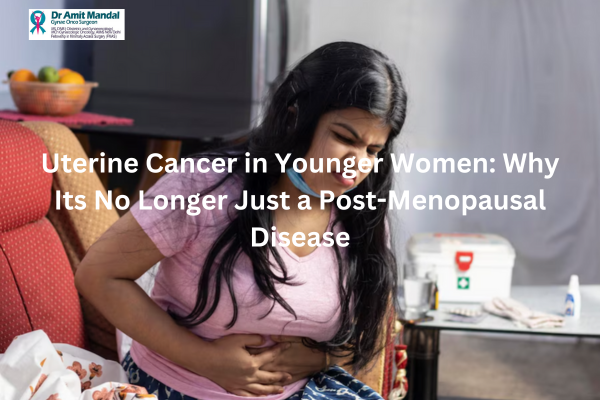
Uterine Cancer in Younger Women: Why Its No Longer Just a Post-Menopausal Disease
Posted on: Mar 31, 2025
Rising Incidence of Uterine Cancer in Young Women
For many years, uterine cancer was considered a condition primarily affecting post-menopausal women. However, recent studies and clinical observations have shown an alarming trend an increasing number of younger women are being diagnosed with this disease. This shift challenges long-held beliefs and raises critical questions about risk factors, early detection, and treatment options for women in their 20s, 30s, and early 40s.
Key Risk Factors for Uterine Cancer in Young Women
- Hormonal Imbalances - Conditions like polycystic ovary syndrome (PCOS) and irregular ovulation can lead to prolonged estrogen exposure.
- Obesity and Metabolic Syndrome - Excess body weight is linked to hormonal disturbances and abnormal endometrial cell growth.
- Diabetes and Insulin Resistance - May elevate the likelihood of developing uterine cancer.
- Family History and Genetic Factors - Includes Lynch syndrome and other hereditary cancer syndromes.
- Early-Onset Menstruation and Late Menopause - Prolonged estrogen exposure increases risk.
- Environmental and Lifestyle Factors - Chronic stress, exposure to endocrine disruptors, and sedentary behavior contribute to risk.
Why Many Cases Go Undiagnosed
Symptoms such as irregular periods, heavy bleeding, pelvic pain, and abnormal discharge are often mistaken for hormonal disorders like PCOS. Due to the younger age group, healthcare providers may not immediately consider uterine cancer, resulting in delayed diagnosis.
Diagnostic Tools
- Pelvic Ultrasound - Detects uterine lining abnormalities or growths.
- Endometrial Biopsy - Analyzes uterine tissue for cancer cells.
- Hysteroscopy - A minimally invasive examination of the uterus.
Treatment Options and Fertility Preservation
- Hormonal Therapy - High-dose progestins or IUDs may be used in early stages.
- Fertility-Sparing Surgery - Options for women wishing to preserve fertility.
- Egg or Embryo Freezing - Allows for future conception before treatment begins.
- Hysterectomy - A definitive treatment, but may not be suitable for those wanting to conceive.
Finding the Right Specialist
If you are searching for the best uterine cancer specialist in South Kolkata or the top doctor for uterine cancer treatment in Kolkata, it is essential to consult an experienced gynecologic oncologist. Early consultation improves both survival rates and fertility preservation options.
Prevention: What Young Women Can Do
- Maintain a healthy weight through diet and exercise.
- Manage hormonal conditions like PCOS with medical support.
- Follow a balanced, anti-inflammatory diet rich in nutrients.
- Avoid exposure to endocrine-disrupting chemicals (EDCs).
- Schedule routine gynecological checkups, especially with family history.
Conclusion
The misconception that uterine cancer affects only older women can delay diagnosis and worsen outcomes. With rising incidence in young women, awareness, early detection, and timely intervention are key. By being proactive and seeking appropriate care, young women can safeguard their reproductive health and improve chances of successful treatment.
Recent Posts
-
 Best Uterine Cancer Treatment in Kolkata: Expert Care & Advanced Therapies
-
 Top Cervical Cancer Doctor in Kolkata | Best Treatment & HPV Prevention
-
 Best Vulval Cancer Doctor in Kolkata: When & Where to Seek Help
-
 Endometrial cancer treatment in Kolkata | Dr. Amit Mandal
-
Menopausal Bleeding - A Warning Sign of Uterine Cancer? Symptoms & Treatment
Comments (0)
Post Your Comment