
Lower Abdominal Pain in Women: Causes, Warning Signs & When to See a Doctor
Posted on: Apr 10, 2026
Lower Abdominal Pain in Women: When to Worry? A Doctors Perspective by Dr. Amit Mandal
Lower abdominal pain is one of the most common complaints I hear from women in my clinic. Some come with mild discomfort, while others describe sharp or persistent pain that affects their daily life. In many cases, the cause is simple and treatable. But in some situations, it can be a warning sign that should not be ignored.
From my clinical experience, the biggest problem is not the pain itself, but the delay in seeking medical advice. Many women try to tolerate it, assuming it is related to digestion, menstrual cramps, or stress. While that may be true in some cases, it is not always safe to make that assumption.
Understanding lower abdominal pain in women
The lower abdomen contains several important organs, including the uterus, ovaries, fallopian tubes, bladder, and parts of the intestine. Pain in this region can arise from any of these structures, which is why proper evaluation is important.
The nature of pain can vary:
- Dull, continuous discomfort
- Sharp or stabbing pain
- Cramping sensation similar to periods
- Pain that comes and goes
- Pain associated with other symptoms like bloating or bleeding
Each pattern gives us clues about the underlying cause.
Common causes that are usually not serious
In many patients, the cause of lower abdominal pain is not dangerous and can be treated easily. Some of the common conditions include:
- Menstrual cramps
- Ovulation-related pain
- Urinary tract infections
- Digestive issues such as gas or constipation
- Mild pelvic infections
These conditions are common and often resolve with proper treatment. However, repeated or persistent symptoms should not be ignored.
When lower abdominal pain can be serious
There are certain situations where pain may indicate a more serious condition. In my practice, I pay close attention when pain is associated with:
- Unexplained weight loss
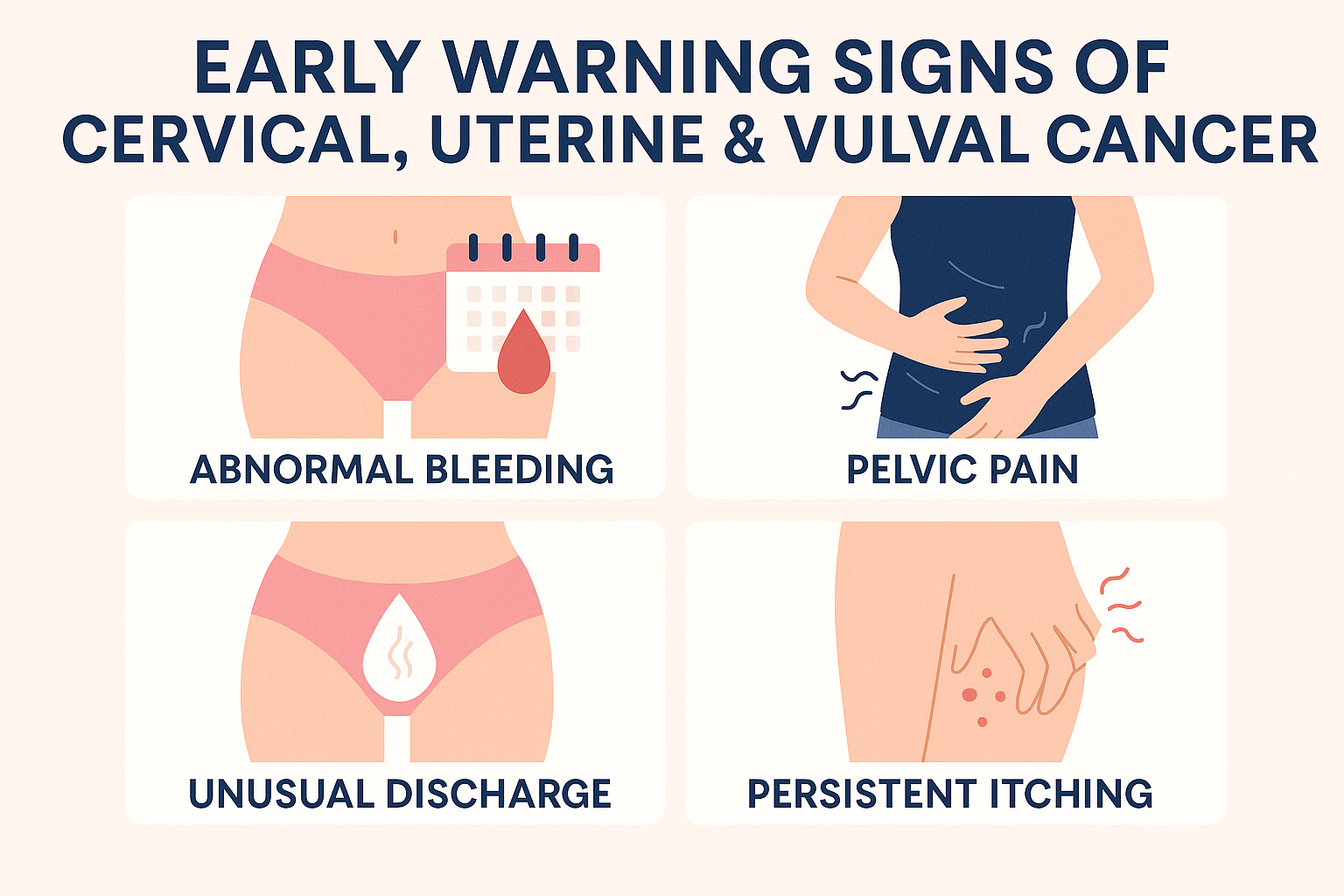
- Irregular or abnormal vaginal bleeding
- Pain during intercourse
- Persistent bloating
- Changes in bowel or bladder habits
These symptoms may be linked to conditions like ovarian cysts, endometriosis, or in some cases, ovarian or uterine cancer.
A real observation from clinical practice
I have seen patients who ignored mild abdominal discomfort for months, thinking it was related to digestion. When they finally came for consultation, further evaluation revealed underlying gynecological conditions that required treatment.
On the other hand, I have also seen patients who came early with mild symptoms and were relieved to know it was nothing serious.
This is why I always advise not to ignore persistent or unexplained pain.
When you should not delay consultation
- Pain lasting more than a few days without improvement
- Severe or worsening pain
- Pain associated with fever
- Bleeding along with abdominal discomfort
- Pain after menopause
These situations require proper medical evaluation.
How we diagnose the cause
Diagnosis is not based on guesswork. It involves a systematic approach.
- Detailed history of symptoms
- Physical and pelvic examination
- Ultrasound to assess internal organs
- Blood tests if required
- Additional imaging or biopsy in selected cases
This helps us identify the exact cause and plan appropriate treatment.
Why early diagnosis makes a difference
One of the most important things I explain to my patients is that early detection simplifies treatment.
If the condition is benign, it can be treated easily and quickly. If it is something more serious, early diagnosis improves outcomes significantly and avoids complications.
Delaying consultation often leads to unnecessary suffering and more complex treatment later.
Who should consult a specialist
If you are experiencing persistent or unexplained lower abdominal pain, it is advisable to consult a specialist such as Dr. Amit Mandal.
You should especially consider consultation if:
- The pain is recurring
- You are above 40
- You have irregular bleeding
- You have a family history of cancer
Most conditions can be diagnosed early and managed effectively when addressed on time.
A message for women in Kolkata
In a busy city like Kolkata, many women tend to ignore symptoms due to work and family responsibilities. Health often becomes a secondary priority.
But taking care of your health is essential. A timely consultation can provide clarity, reassurance, and early treatment if needed.
Common misconceptions about abdominal pain
Many women believe that abdominal pain is always related to digestion or periods. While these are common causes, they are not the only ones.
Another misconception is that serious conditions always cause severe pain. In reality, some serious conditions may present with mild or vague symptoms in the early stages.
Waiting for symptoms to become severe is not a safe approach.
A simple approach to follow
- Pay attention to your body
- Note any persistent or unusual pain
- Avoid self-medication without proper diagnosis
- Seek medical advice when in doubt
This approach helps in early detection and better health outcomes.
Final words from clinical experience
Lower abdominal pain in women is common, but it should not be ignored if it persists or changes in nature.
In my experience, patients who seek early consultation often have simpler diagnoses and better outcomes. Those who delay may face more complicated situations.
Your body gives signals. It is important to listen to them.
What you should do next
If you are experiencing lower abdominal pain that concerns you, do not rely on assumptions.
Consult a qualified specialist, understand the cause, and take appropriate action.
Timely care is the key to maintaining long-term health and peace of mind.
Recent Posts
-
 Best Uterine Cancer Treatment in Kolkata: Expert Care & Advanced Therapies
-
 Top Cervical Cancer Doctor in Kolkata | Best Treatment & HPV Prevention
-
 Best Vulval Cancer Doctor in Kolkata: When & Where to Seek Help
-
 Endometrial cancer treatment in Kolkata | Dr. Amit Mandal
-
Menopausal Bleeding - A Warning Sign of Uterine Cancer? Symptoms & Treatment
Comments (0)
Post Your Comment