
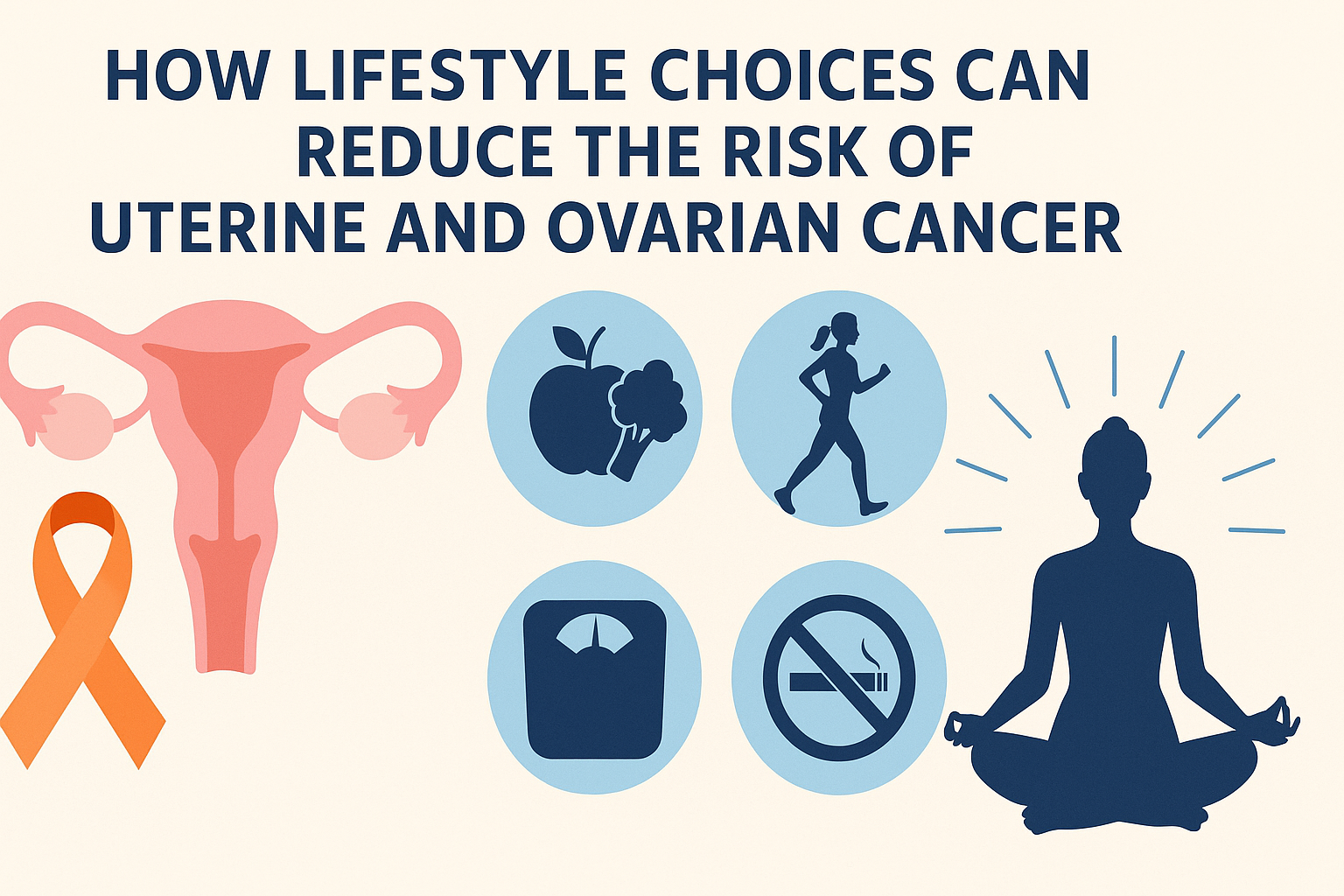
How Lifestyle Choices Can Reduce the Risk of Uterine and Ovarian Cancer
Posted on: Nov 05, 2025
How Lifestyle Choices Can Reduce the Risk of Uterine and Ovarian Cancer
Uterine and ovarian cancers are among the most common gynecologic cancers affecting women in India. While genetics and age play a part, a large portion of a womans cancer risk is influenced by daily lifestyle habits. In this post, Dr. Amit Mandal, a leading gynaecologic cancer specialist in South Kolkata, explains how simple lifestyle choices can significantly reduce cancer risk and promote long-term reproductive health.
1. Maintain a Healthy Body Weight
Obesity is one of the strongest risk factors for uterine cancer. Excess fat leads to higher estrogen production, which stimulates abnormal cell growth in the uterus. Women with central obesity (abdominal fat) also face a greater chance of developing ovarian cancer.
- Choose home-cooked meals rich in vegetables and whole grains.
- Avoid packaged and highly processed foods.
- Aim for gradual weight loss if overweight 5 to 10% reduction makes a big difference.
2. Eat a Balanced, Anti-inflammatory Diet
Diet strongly influences hormonal balance and inflammation two major contributors to ovarian and uterine cancer. Diets high in sugar, refined flour, and unhealthy fats increase insulin resistance and hormonal disturbance.
- Include vegetables, fruits, nuts, seeds, and high-fibre foods daily.
- Reduce red meat, processed meats, and fried foods.
- Switch to healthier fats like olive oil and omega-3 rich fish.
3. Stay Physically Active
A sedentary lifestyle increases estrogen levels, body fat, and inflammation all of which are linked to gynecologic cancers. Regular exercise improves metabolism, regulates hormones, and lowers cancer risk.
- Engage in at least 150 minutes of exercise per week.
- Combine walking, yoga, or strength training to maintain hormonal balance.
- Avoid sitting continuously for long hours take short activity breaks.
4. Manage Hormonal Health and PCOS
Hormonal imbalance, especially in women with PCOS, increases the risk of uterine cancer due to prolonged estrogen exposure. Regulating menstrual cycles under medical supervision helps prevent precancerous changes in the uterus.
- Seek medical advice if you have irregular or absent periods.
- Manage PCOS through diet, exercise, and timely treatments.
- Discuss safe contraceptive options with your doctor OCPs can reduce ovarian cancer risk.
5. Avoid Smoking, Excess Alcohol, and Chronic Stress
Smoking increases ovarian cancer risk, while alcohol affects liver function and disrupts estrogen metabolism. Chronic stress elevates cortisol levels and weakens immune function, making the body more vulnerable to abnormal cell growth.
- Avoid smoking completely.
- Limit or avoid alcohol to maintain hormonal balance.
- Practice meditation, deep breathing, or evening walks to reduce stress.
6. Do Not Ignore Early Warning Signs
Early symptoms of uterine or ovarian cancer often appear subtle bloating, pelvic pain, abnormal bleeding, or rapid weight changes. Ignoring these signs delays diagnosis and allows cancer to progress into advanced stages.
- Seek medical help immediately for abnormal or post-menopausal bleeding.
- Get a pelvic examination if pain or discomfort persists for over two weeks.
- Learn more about symptoms through educational blogs such as uterine cancer treatment and vulval cancer care.
7. Prioritise Screening and Preventive Care
Regular screening plays a major role in early detection. Even though ovarian cancer lacks a routine screening test, pelvic scans and checkups help detect suspicious changes earlier.
- Schedule pelvic ultrasounds, Pap smears, and checkups annually.
- Follow evidence-based preventive care guidelines recommended by experts.
- Read more on cervical cancer screening at this detailed guide.
Conclusion
Reducing the risk of uterine and ovarian cancer begins with consistent lifestyle habits. Healthy eating, regular exercise, stress control, and timely screenings can significantly lower risk and empower women to take charge of their reproductive health. For expert evaluation or personalised preventive guidance, consult Dr. Amit Mandal, one of the most trusted gynaecologic cancer specialists in South Kolkata.
Recent Posts
-
 Best Uterine Cancer Treatment in Kolkata: Expert Care & Advanced Therapies
-
 Top Cervical Cancer Doctor in Kolkata | Best Treatment & HPV Prevention
-
 Best Vulval Cancer Doctor in Kolkata: When & Where to Seek Help
-
 Endometrial cancer treatment in Kolkata | Dr. Amit Mandal
-
Menopausal Bleeding - A Warning Sign of Uterine Cancer? Symptoms & Treatment
Comments (0)
Post Your Comment