
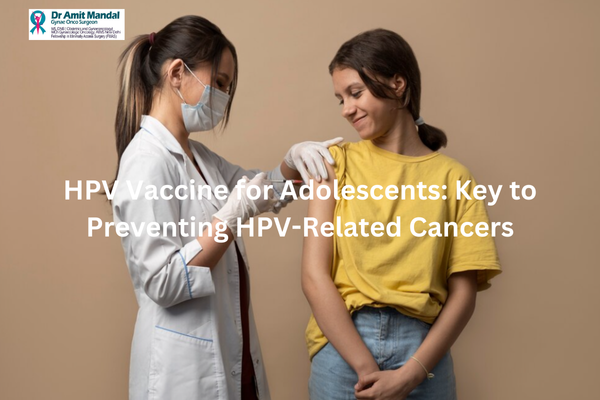
HPV Vaccine for Adolescents: Key to Preventing HPV-Related Cancers
Posted on: Mar 17, 2025
The Importance of HPV Vaccine in Adolescents
Human Papillomavirus (HPV) is one of the most common sexually transmitted infections worldwide. It is a significant cause of cervical cancer and other related diseases. The HPV vaccine, when administered during adolescence, can effectively prevent these infections and associated complications.
Understanding HPV and Its Impact
HPV comprises over 100 different strains, some of which are high-risk types that can lead to cancers, including cervical, anal, and oropharyngeal cancers. Adolescents are particularly vulnerable due to potential future exposure to the virus through sexual activity.
Why Vaccinate During Adolescence?
- Optimal Immune Response: The immune system responds more robustly to the vaccine when given at a younger age, typically between 9 to 14 years.
- Prevention Before Exposure: Administering the vaccine before any sexual activity ensures protection against the virus before potential exposure.
- Reduced Risk of HPV-Related Cancers: Studies have shown that vaccination significantly reduces the incidence of cervical and other cancers.
Role of Healthcare Professionals
- Pediatricians and Family Physicians: Typically administer the vaccine and provide preventive care.
- Gynecologists and Gynecologic Oncologists: Offer counseling and manage HPV-related conditions. A gynecologic oncologist like Dr. Amit Mandal is highly knowledgeable about HPV-related cancers and can provide guidance on the HPV vaccine.
- Oncologists and Infectious Disease Specialists: Handle complex cases and HPV-related cancers.
Vaccine Schedule and Safety
The HPV vaccine is usually given in two doses for adolescents aged 9-14 and three doses for those aged 15 and above. The vaccine is considered safe and effective, with minor side effects such as soreness at the injection site or mild fever.
Addressing Concerns and Misconceptions
Some parents may have concerns about vaccine safety or believe that it promotes early sexual activity. However, extensive research has confirmed the vaccines safety and effectiveness, and there is no evidence linking it to changes in sexual behavior.
Conclusion
The HPV vaccine is a critical tool in preventing HPV-related diseases and cancers. By vaccinating adolescents, we can protect future generations from the severe consequences of HPV infections. Healthcare providers and parents should work together to ensure widespread vaccination and public awareness.
Call to Action
If you have an adolescent child, consult your healthcare provider about the HPV vaccine and help safeguard their health for the future.
Recent Posts
-
 Best Uterine Cancer Treatment in Kolkata: Expert Care & Advanced Therapies
-
 Top Cervical Cancer Doctor in Kolkata | Best Treatment & HPV Prevention
-
 Best Vulval Cancer Doctor in Kolkata: When & Where to Seek Help
-
 Endometrial cancer treatment in Kolkata | Dr. Amit Mandal
-
Menopausal Bleeding - A Warning Sign of Uterine Cancer? Symptoms & Treatment
Comments (0)
Post Your Comment